
First U.S. F-16 Block 70 Fighter Finally Delivered to the Republic of China Air Force: How Capable Is It?
Military Watch Magazine Editorial Staff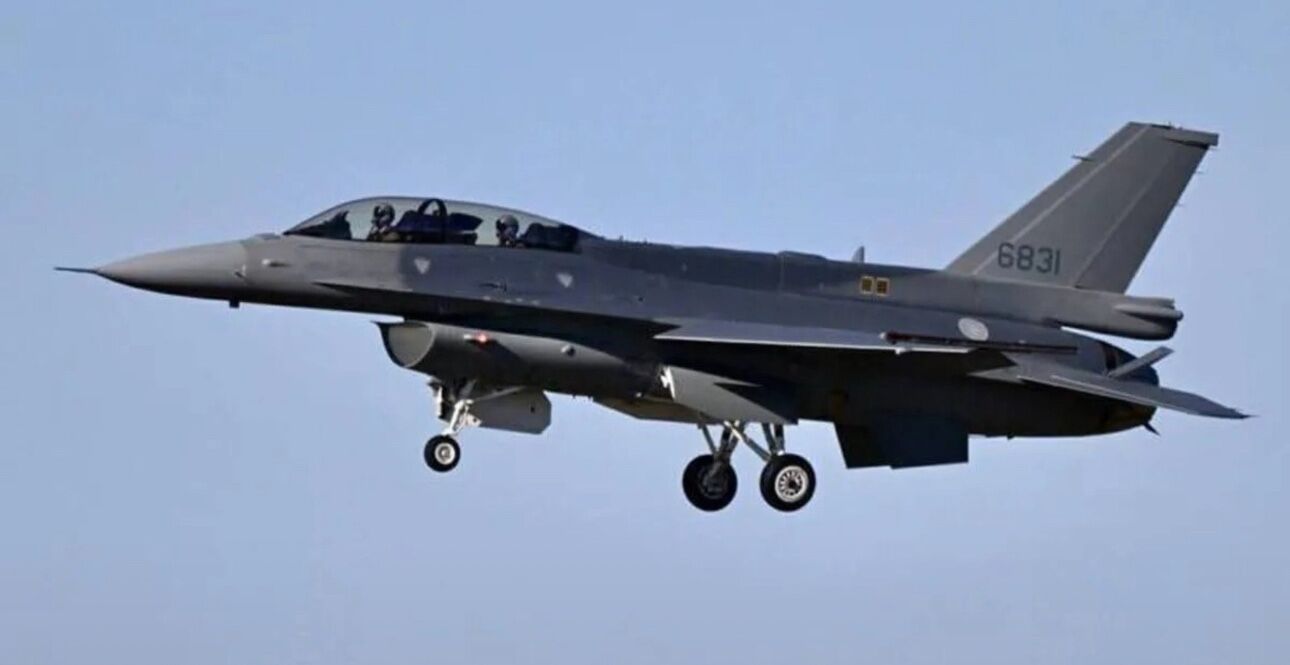
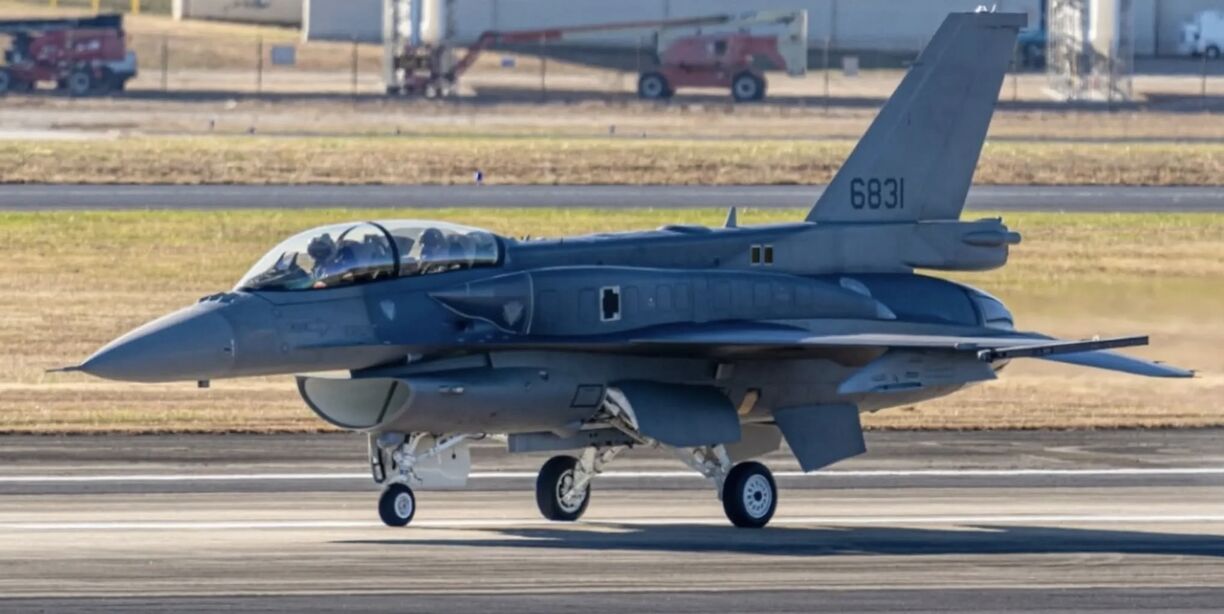
First F-16 Block 70 Delivered to the Republic of China Air Force
The Republic of China Air Force has finally received the first of 66 new F-16 Block 70 fighters ordered in 2019, marking a major milestone in the service’s efforts to modernise its combat aviation fleet. The aircraft represents the latest evolution of the F-16 family, combining the basic airframe design that first flew in 1974 with the AN/APG-83 AESA radar, substantially upgraded avionics and modern electronic-warfare capabilities. The Republic of China Air Force previously procured 140 F-16A/B Block 20 fighters during the 1990s, with the arrival of new fighters expected to make it the largest foreign operator of the F-16 by the mid-2020s.
Having first entered service in 1978 F-16’s remarkable longevity is partly a consequence of the significant delays to the development of its successor, the F-35A, as well as the significant cost overruns which made the newer aircraft unaffordable as a direct replacement. The Republic of China is nevertheless the only developed economy in the world to have ordered the F-16 Block 70, primarily due to the fact that its almost total lack of international recognition has led the U.S. to bar it from procuring F-35s. The F-16 Block 70 has primarily been marketed to lower income clients such as Slovakia and Bahrain.
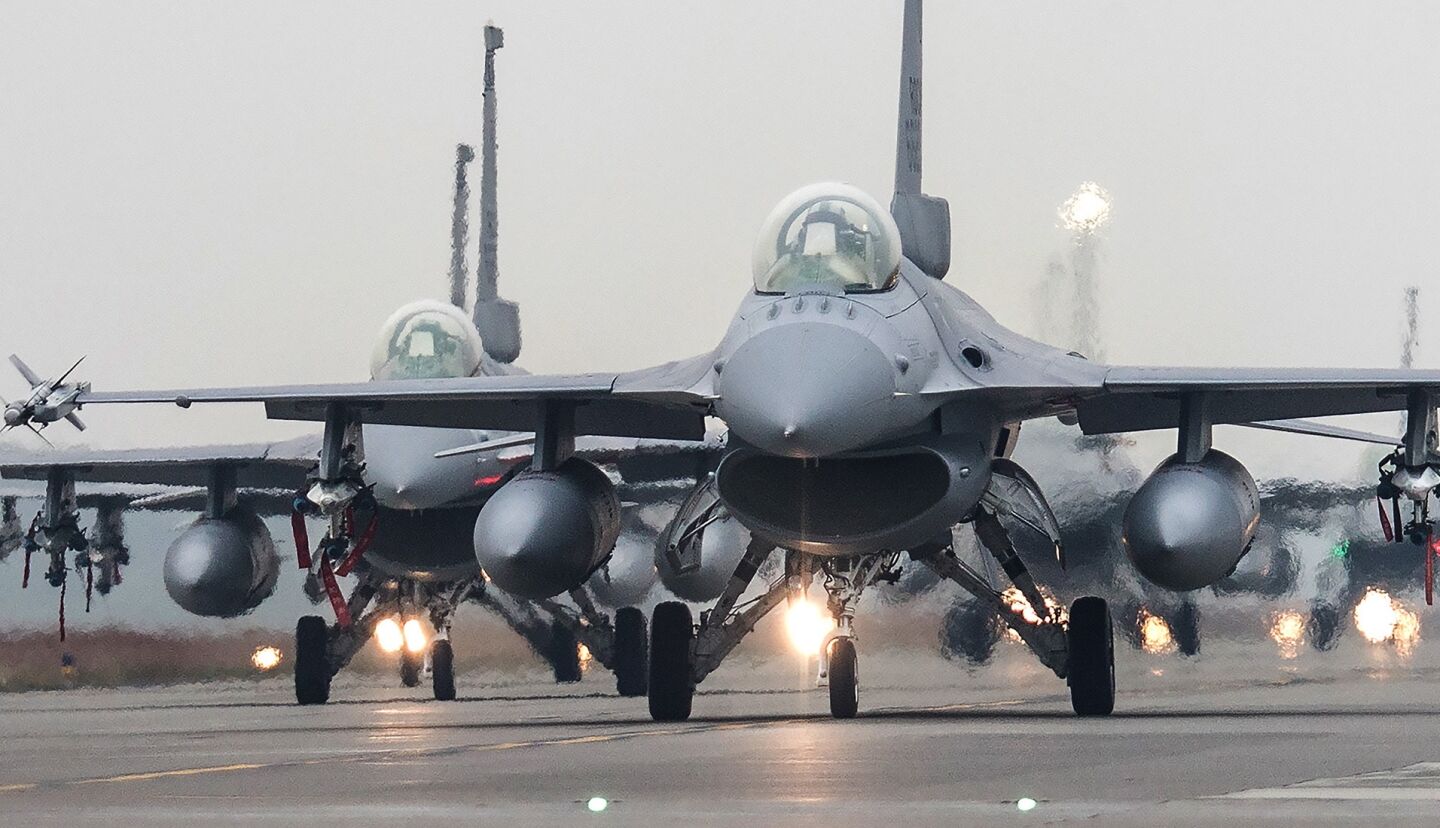
The F-16 Block 70 benefits from structural improvements intended to extend service life. The configuration incorporates an upgraded structural design and is advertised with a 12,000-hour service life, substantially increasing the period over which the aircraft can remain in frontline service. This could allow the new fighters to remain operational well into the middle of the century, depending on the intensity with which they are flown. This compares to just 8,000 hours for the F-35 and for older F-16 variants, and 20,000 hours for new F-15EX fighters.
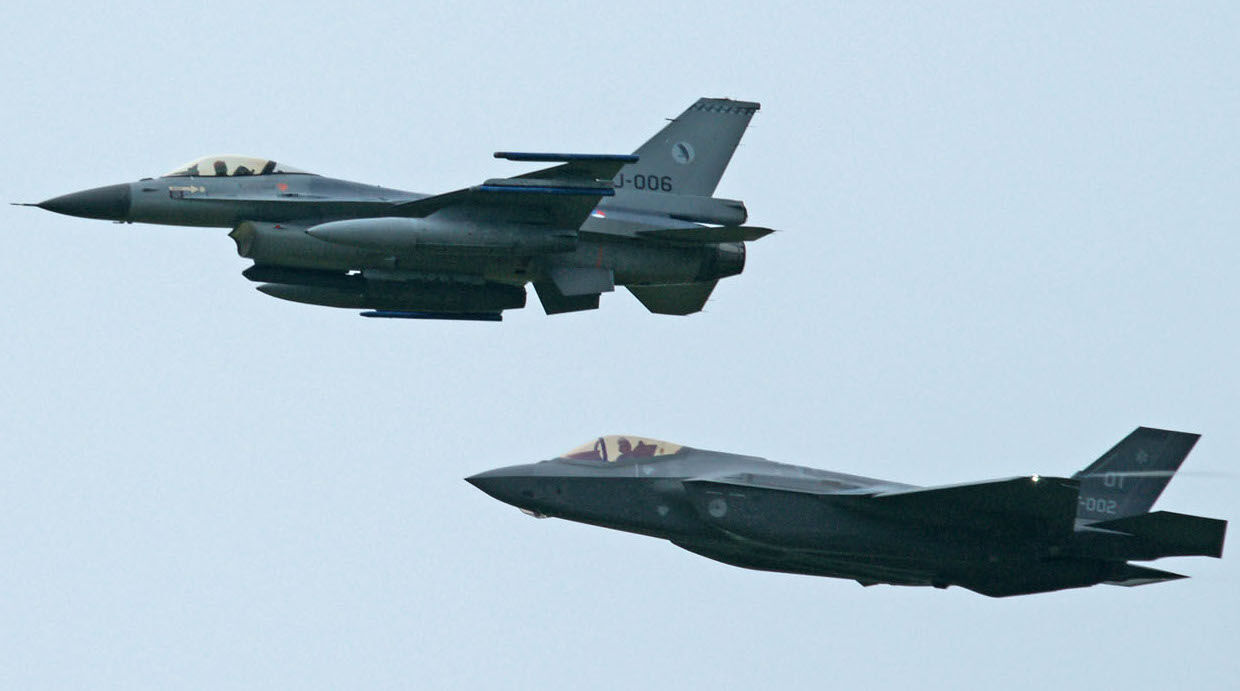
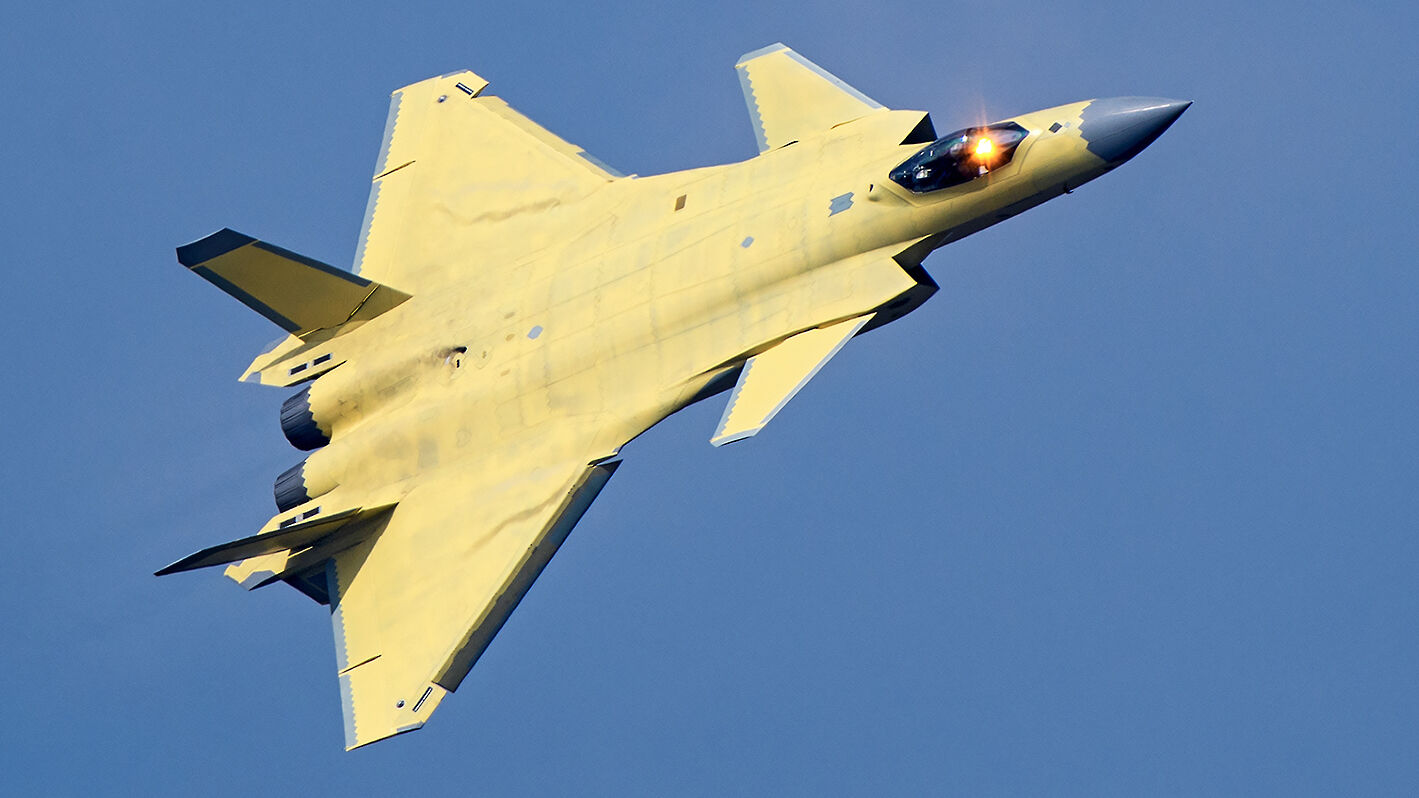
The Block 70 also represents a significant improvement in cockpit and pilot-interface technology. Modern displays and mission computers reduce the amount of information that pilots must manually process, allowing them to concentrate more heavily on tactical decisions. This is increasingly important as fighter engagements become more dependent on sensor fusion and electronic warfare rather than traditional visual dogfighting. Despite these improvements, the F-16 remains fundamentally a fourth generation fighter, and lacks the low-observable characteristics of modern aircraft such as the F-35 and Chinese J-20, which limits its survivability. The fact that the aircraft was not designed around modern subsystems, which had to be added on decades after its development, has created significant inefficiencies.
The Republic of China Ministry of National Defence in July confirmed that it was seeking compensation over the repeated delays of F-16 deliveries, which were initially intended to conclude in 2027. Air Force officials have indicated that compensation may come in the form of technical support, spare parts, or extended warranties. The issue gained greater attention from October 2025, when Premier Cho Jung-tai stated that the government did not rule out “taking legal action against the manufacturer.” The delays are far from isolated, with outstanding backlogs of undelivered U.S. equipment to the Republic of China Armed Forces having in December 2025 reached over $21.45 billion.
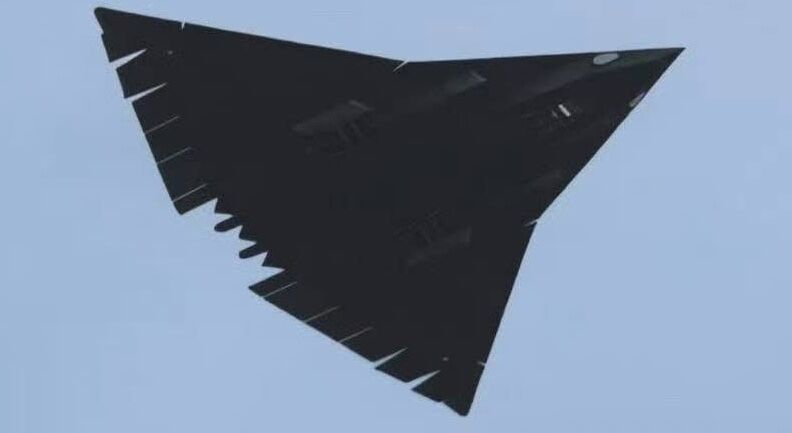
The Republic of China is in a state of civil war with the People’s Republic of China, with the former controlling under one percent of Chinese territory. The People’s Republic has developed multiple types of fifth generation fighters, and currently leads the world in sixth generation fighter development, while its advanced fourth generation fighter types have very considerably higher combat potentials than F-16s. This has ensured an increasingly one sided balance of power in the Taiwan Strait, and fuelled criticism in Taipei that investment in the fourth generation fighters is far from cost effective.
