
First Iranian Firepower Upgrade For Russian Su-30SM Heavyweight Fighters Revealed
Military Watch Magazine Editorial Staff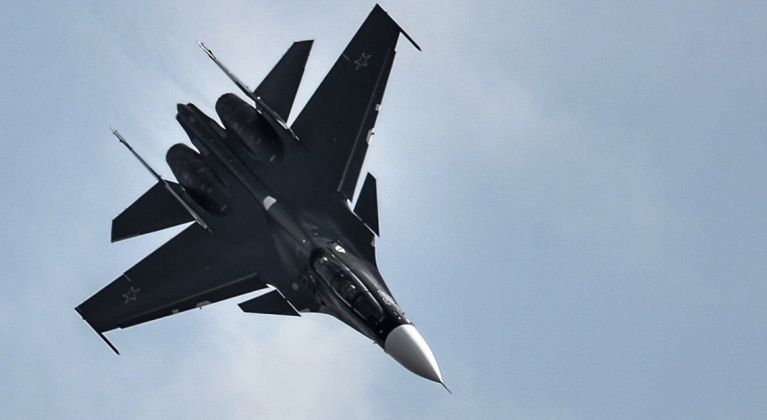
Su-30SM Fighter
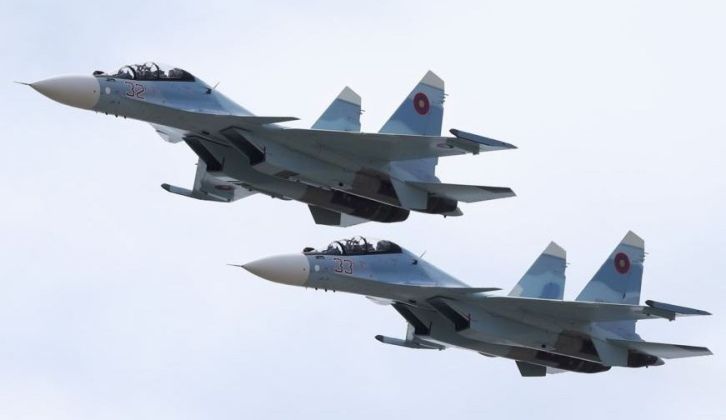
A new weapons configuration for the Su-30SM long range fighter unveiled on May 28 has for the first time included Iranian glide bombs, marking the first time Iranian weaponry is known to have been integrated onto a post-Cold War Russian fighter type. The aircraft were operated by the Armenian Air Force, and flew over Yerevan’s Republic Square as part of a major military parade. The munitions in question appear to be Yasin class precision guided glide bombs, which allow the fighters to engage targets at beyond visual ranges at a small fraction of the cost of guided missiles. Russia has sought to market the Su-30SM as a standard fighter across much of the former Soviet Union, with the fighter also being fielded by Belarus, while Kazakhstan is by far its largest foreign operator.
The Iranian Defence Ministry was confirmed in 2025 to have ordered 48 Su-35 fighters for its own air force, providing a degree of commonality with the Su-30, and particularly the latest Su-30SM2 variant, as well as with Russian Aerospace Forces Su-35s. This has raised the possibility that trials integrating indigenous glide bombs onto the Su-30SM could inform later decisions regarding their integration onto the Su-35. Alongside its orders for large numbers of Russian fighters, exports of munitions for such aircraft has been viewed by some analysts as a step towards integration into the post-Soviet defence space. Direct defence cooperation between Russia and Iran has expanded very considerably since the outbreak of full scale hostilities in the Ukrainian theatre in February 2022, with Iran having emerged as far Russia’s largest defence supplier other than North Korea. It has been widely speculated that development of new glide bombs and other munitions in Iran has benefited from technology transfers from Russia, which may have been offered in exchange for large scale defence exports.
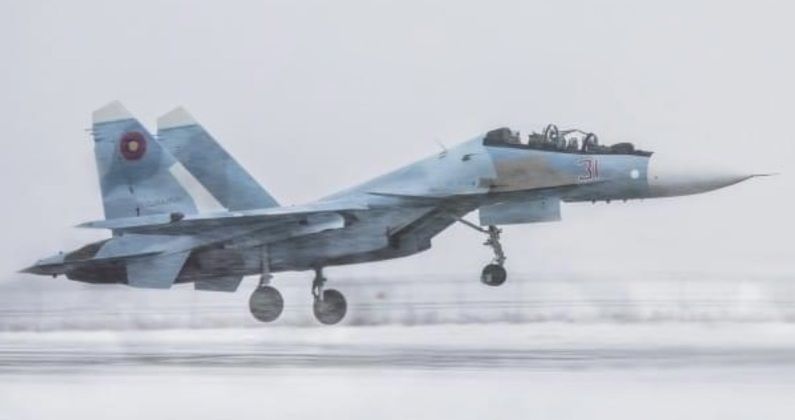
The Armenian Air Force is by far the smallest operator of the Su-30, having provided just four fighters under arrangements linked to the Russian-led Collective Security Treaty Organisation financed through Russian military credit facilities. The aircraft were delivered in December 2019, with multiple figures in the Armenian leadership describing their arrival of as a major milestone for national security and military cooperation modernisation. Armenian Defence Minister Davit Tonoyan stated that the initial four aircraft were intended as the first step toward acquiring a full squadron of twelve fighters, although this never materialised as the country downgraded ties with Moscow and pivoted towards NATO. Armenian Prime Minister Nikol Pashinyan later acknowledged that the fighters had been purchased without a complete air-to-air missile package, which was a major factor in their inability to play any meaningful role in the 2020 Nagorno-Karabakh War with Turkish-backed Azerbaijan.
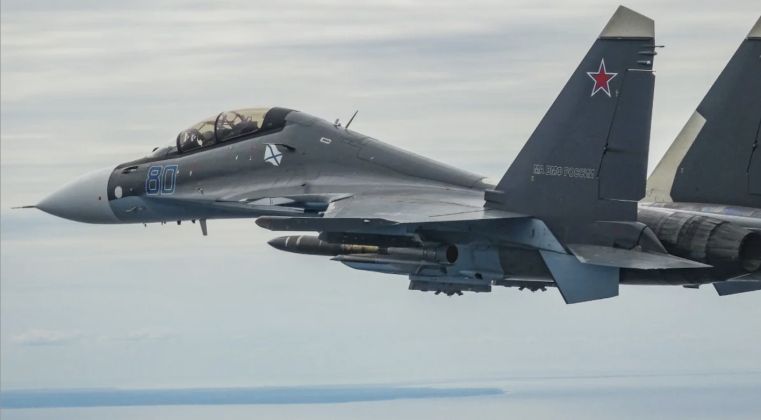
The Su-30SM is among the longest ranged fighter with one of the most powerful sensor suites and highest flight performances in the world, with its procurement by the Armenian Air Force initially expected to have a pivotal role on the balance of power in the region. Combined with procurements of Iskander-M ballistic missile systems from Russia, a fleet of twelve of the fighters was expected to provide Armenian forces with a means of countering potential attacks by neighbouring Turkey, a NATO member that relies on obsolete variants of the much lighter and less advanced F-16C/D fighter to from the backbone of its fleet. Iran’s longstanding conflict with Turkey, particularly in Syria where Turkey has strongly supported jihadist paramilitaries that committed genocide against religious minorities with affiliations to Tehran, has provided a strong basis for close strategic ties between Iran and Armenia.
