
F-35 Program Close to Gaining New Partners as U.S. Seeks Turkey’s Return in Early 2026
Military Watch Magazine Editorial Staff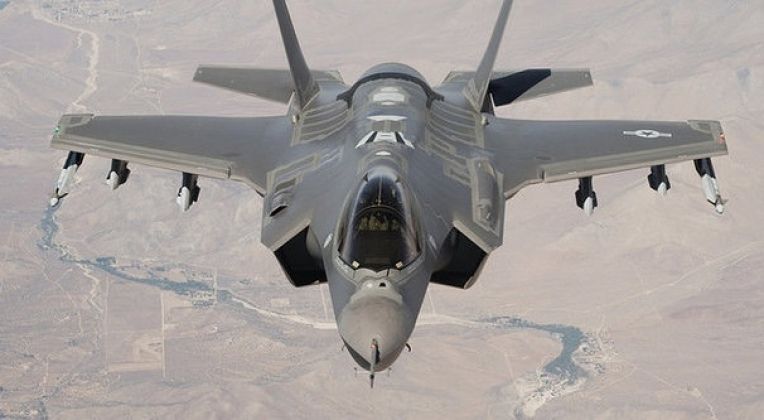
F-35 Fifth Generation Fighter
U.S. ambassador to Turkey Tom Barrack has indicated that the Eastern European country may return to the F-35 fifth generation fighter program within four to six months, noting that the remaining dispute between the two countries over Turkey’s procurement of the Russian S-400 long range air defence system is expected to soon be resolved. Barrack noted that Turkey has taken important steps to resolving the “operability” issue because its S-400 systems are not being used, but noted that retaining the system continued to create difficulties for the United States. Turkey’s possible readmission to the program follows an apparent significant loosening on export restrictions for the F-35, as the United States appears poised to sign a landmark contract to supply the aircraft to Saudi Arabia. The F-35’s technological sensitivity has diminished since exports first began over a decade ago, as the United States and China are poised to begin fielding sixth generation fighters in the early-mid 2030s.
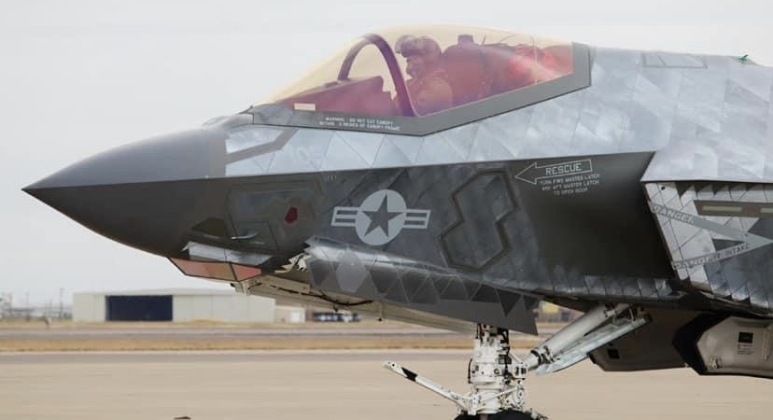
In May it was reported that President Donald Trump was considering allowing Turkey to re-enter the F-35 fighter program, with informed sources revealing that the Turkish Air Force was expected to retire its S-400s, either disassembling them, or relocating them to a U.S.-controlled military facility. Turkish President Recep Tayyip Erdogan reportedly stated at the time that it was necessarily to “finalise Türkiye’s re-participation in the F-35 program.” These reports follow a statement by Turkish Defence Minister Yasar Guler on November 26, 2024, revealing Ankara had formally resubmitted a request to purchase 40 F-35A fighters. Under the Biden administration in late 2024 it was reported that Turkey had made significant progress in talks with the United States on the details of plans to decommission its S-400 system.
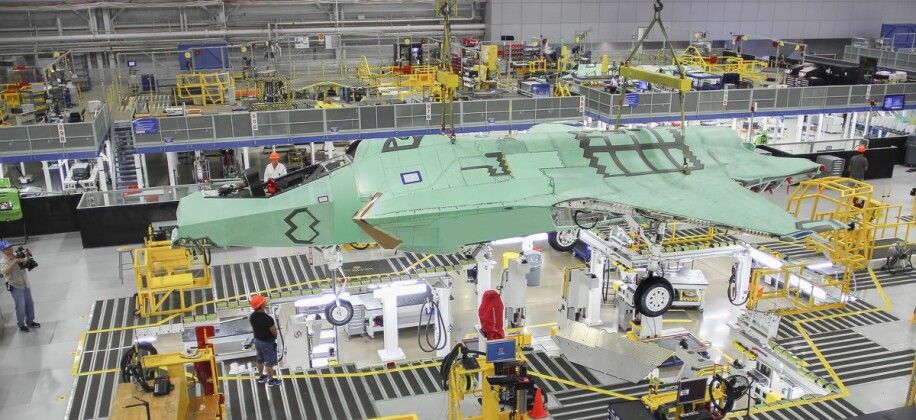
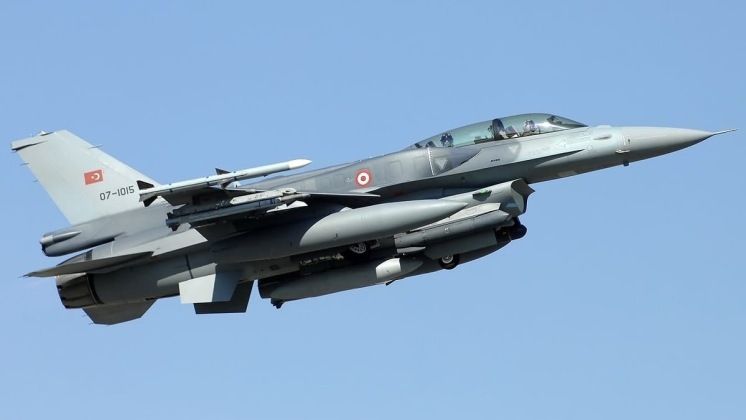
Turkey’s procurement of the F-35 was previously seen to be favourable to U.S. and broader NATO interests to increase pressure on neighbouring Syria, with the overthrow of the Syrian government having been a key objective of alliance members from the early 2010s. The overthrow of the Syrian government by Turkish-backed Islamist insurgents in December 2024, however, and imposition of a closely NATO-aligned new regime, is expected to lead to a reorientation of the Turkish Armed Forces towards tacking other challenges to collective alliance interests. The Turkish fighter fleet has long been considered obsolete, and other than a single squadron of Vietnam War era F-4E fighters modernised in Israel, it is comprised exclusively of older variants of the F-16C/D fighter.
The F-35 has suffered from serious deficiencies in its availability rates, which even for newly built fighters stand at just 55 percent, with the aircraft’s widespread adoption by NATO members expected to continue to significantly lower fleet availability rates. This has contrasted sharply with the highly maintenance friendly F-16. Major delays to updating the fighter’s software allowing it to integrate a wider range of weaponry has also seriously reduced its versatility, as demonstrated by the very limited roles it has been able to operate in in recent conflicts in the Middle East. The aircraft is now only expected to be updated to a Block 4 standard, which will allow for carriage of a wide range of beyond visual range weapons, in the early 2030s. The program has received particularly harsh criticisms from both civilian and military officials at the most senior officials, although as the only NATO compatible fifth generation fighter the F-35 has nevertheless remained without peer in its combat potential among non-Chinese fighter types.
