
F-15 Eagle Defection to Sudan: When China and Russia Missed Their Chance to Study the West’s Top Fighter
Military Watch Magazine Editorial Staff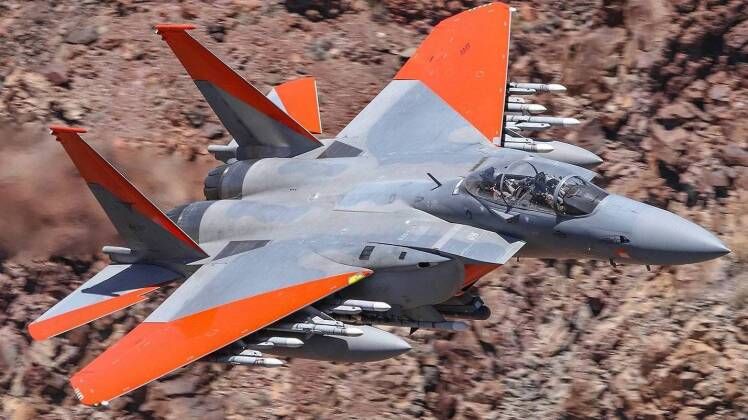
Royal Saudi Air Force F-15 Eagle
During the Cold War the ability to study high end enemy fighter aircraft was highly prized by both the Western Bloc and the Soviet Union, with the United States in particular going o considerable lengths to acquire advanced Soviet aircraft often through third parties and offering very large financial rewards to defecting pilots who brought aircraft with them. China too sought to develop its own military aviation industry to be able to compete on a similar level to the two superpowers by studying foreign designs when it was capable of acquiring them. With the introduction of fourth generation combat aircraft from the mid 1970s to the mid 1980s by the U.S. and Soviet militaries, opportunities to study these more modern designs was particularly sought after. The collapse of the Warsaw Pact meant many former Soviet defence clients fell into the Western sphere of influence, placing aircraft such as the MiG-29 fourth generation medium weight fighter at the disposal of NATO for study. The collapse of the Soviet Union two year later in 1991 allowed the U.S. to acquire MiG-29s directly from Moldova, and much more valuably to purchase very high end Su-27 heavyweight fighters from Belarus which were one of the newest and by many accounts the most capable fighters in the world.
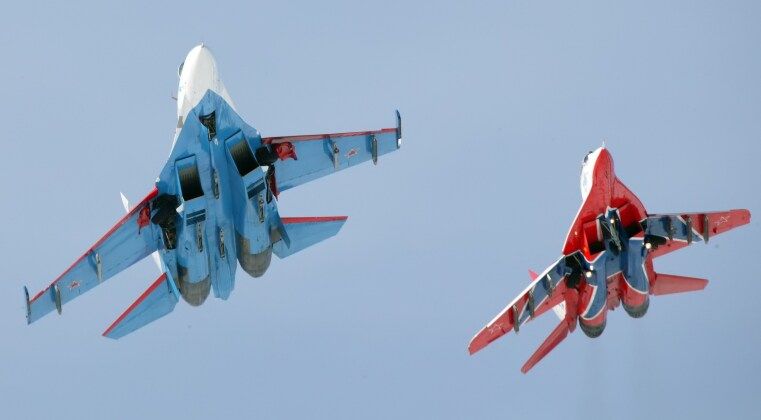
While light and medium weight fighters such as the F-16, F-18 and MiG-29 were more widely exported and opportunities to study them were more common, elite high end fighters from the heavy weight range were usually restricted to higher end defence clients both by their much higher costs and by export restrictions to protect their sensitive technologies. While the U.S. managed to acquire the Su-27 in the Cold War’s aftermath, the fighter’s direct analogue from the U.S. Air Force the F-15C Eagle was never acquired by a U.S. adversary. Although China and Russia both gained some limited access to the lighter and much less sensitive F-16 and its third generation predecessor the F-5E, the F-15 was only ever exported to three countries during the Cold War period. As the top fighter fielded by any Western Air Force during the Cold War, it was a very sensitive platform. A single opportunity did arise, however, for American adversaries to have potentially accessed the F-15 and obtained an aircraft for study. This was the defection of an F-15C pilot with his aircraft from the Royal Saudi Air Force to neighbouring Sudan - which at the time had particularly close ties to China. Sudan would subsequently also cultivate close security ties with Russia after the fall of the Soviet Union, although a U.S. and European backed coup in the country in April 2019 eventually led to the installation of a strongly pro-Western regime.
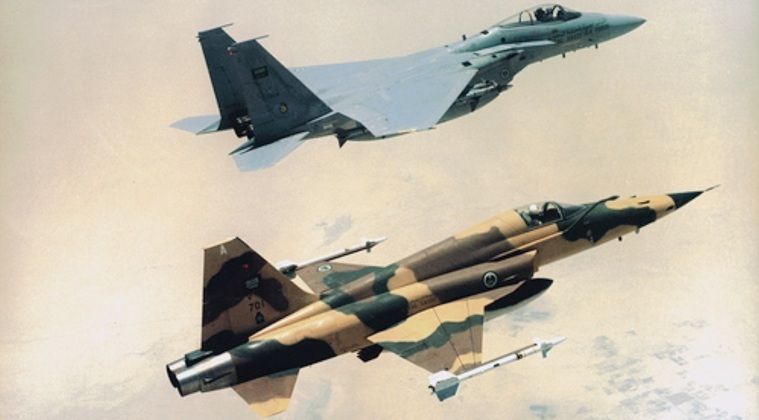
Saudi Arabia had been the third export client for the F-15 after Israel and Japan, but a pilot from the country suspected of holding Islamist sympathies was thought to have been disillusioned by his country’s government and its increasingly overt ties to the Western Bloc and had defected as a result. This came at a time when the first Western military personnel were beginning to be permanently based in Saudi Arabia - a holy land for Muslims - which was highly controversial at the time. No efforts are known to have been made to provide Sudan with offers to purchase the F-15 - the value of which given its sensitivity and scarcity could have been in the hundreds of millions of dollars if not more. Khartoum returned the fighter to Saudi Arabia, reportedly for a modest payment of $50 million, but rejected pressure to return the pilot who was subsequently offered political asylum in the East African country. A Pentagon spokesman initially responded to questions about the defection with an erroneous statement that "the pilot did not defect" and merely "flew out of radar range." A State Department official later stated: "We are not concerned about any morale problem among the Saudi military or air corps," following reports of widespread dissatisfaction within the country regarding the partnership with Western forces to place pressure on another Muslim Arab state - Ba’athist Iraq.
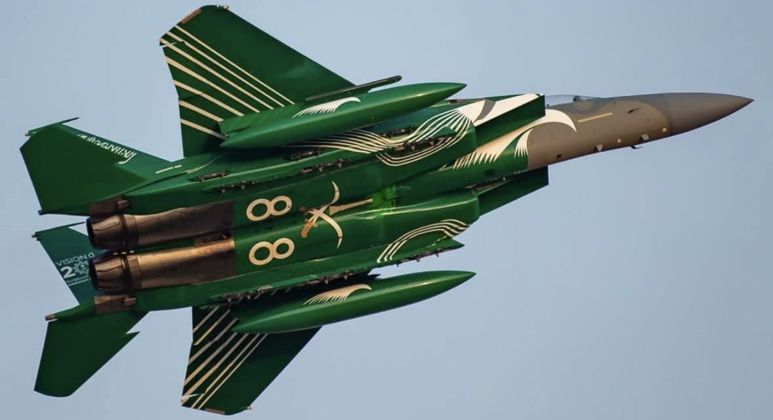
The F-15 has enjoyed a longer production run than any other heavyweight fighter in history, and although it first entered service in the U.S. Air Force 45 years ago in 1976 production lines for the jets have yet to close - with Saudi Arabia being a leading client and placing an order in the mid 2010s to bring its fleet size to over 200 of the advanced Eagle jets. The fighter’s latest new client has been Riyadh’s often hostile neighbour Qatar, which ordered 36 jets, while the U.S. Air Force itself has ordered over 100 of the enhanced F-15EX variant. The failure of the F-22 fifth generation fighter program to provide a cost effective aircraft with reasonable maintenance needs meant that it could never fully replace the F-15, and orders to terminate production were given less than four years after the fighter entered service. Access to the F-15 by potential American adversaries to provide a better understanding of its capabilities and performance limitations would likely have been a highly beneficial asset with some continuing implications to this day.
