
Deepening Crisis: Sudan Marks One Year Since Coup Ejected Popular Strongman From Power
Military Watch Magazine Editorial Staff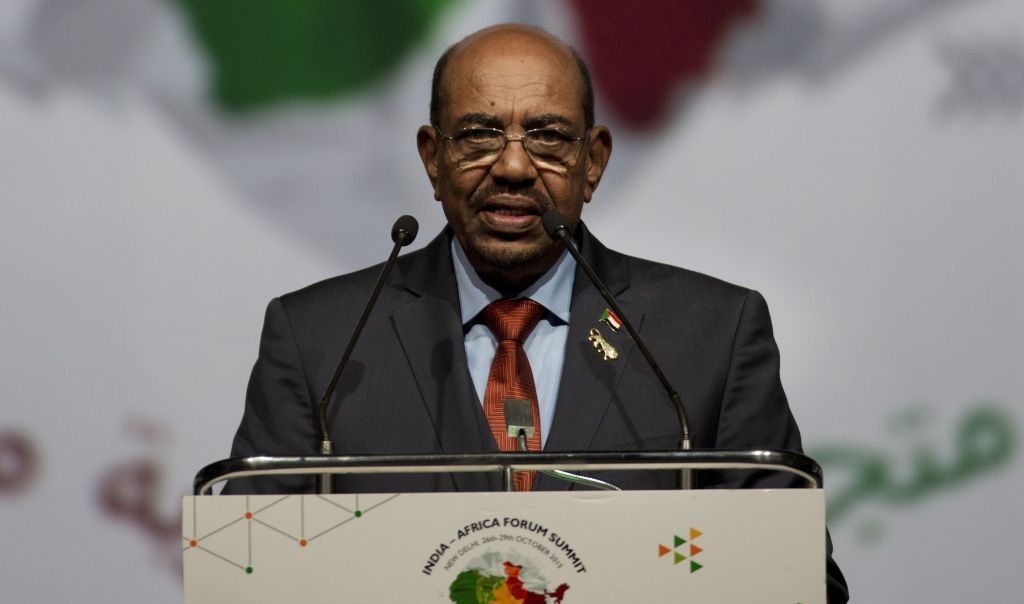
Sudanese President Omar Al Bashir
April 11th 2020 marks a year since Sudan’s long serving President Omar Al Bashir was ejected from power by a military coup, with the head of state imprisoned and his ruling National Congress Party forcefully disbanded. Hailed as a 'triumph for democracy' and a 'move in the right direction' across the Western world, Al Bashir’s overthrow would see a transitional council take power dominated by the head of the notorious Jinjaweed militia Mohamed Hamdan Dagalo. Sudan's new government would go on to make extensive concessions to the Western Bloc, from downgrading of ties to traditional partners in Asia to strengthening ties with Israel and offering tens of millions of dollars in compensation to the families of U.S. Navy personnel killed in attacks allegedly organised from the country in the 1990s. The country has also come under considerable Western pressure to extradite Al Bashir to the Netherlands, with the International Criminal Court based there having previously issued a warrant for his arrest. Sudan is a non-signatory of the court, which retains no jurisdiction over the African state, making its claim over the former president a hotly disputed issue.
Sudan's transitional council is officially headed by the former Deputy Executive Secretary of the United Nations Economic Commission for Africa Abdalla Hamdok, who has seen at least one attempt on his life since coming to power. Hamdok's stances have been strongly pro-Western throughout his time in power, with the Prime Minister pledging to implement the adoption of a Western-style political system in the country. The country under the new government has suffered from a sharp economic contraction, capital flight and some of the world's highest rates of inflation - with economic mismanagement fuelling a growing nostalgia for the pre-coup era. Sudan remains deeply divided with street battles braking out in the capital city Khartoum in January between the Security Services and the military. With President Al Bashir having warned repeatedly in his final years of the danger of a partitioning of Sudan due to immense Western pressure on the resource rich country, which retains massive reserves of copper, gold and uranium among other highly sought after materials, the integrity of the state today remains in serious question.
