
Extreme Costs of New Patriot Missiles Force U.S. Army to Order Cheaper Cold War Era Variants After 30 Year Pause
Military Watch Magazine Editorial Staff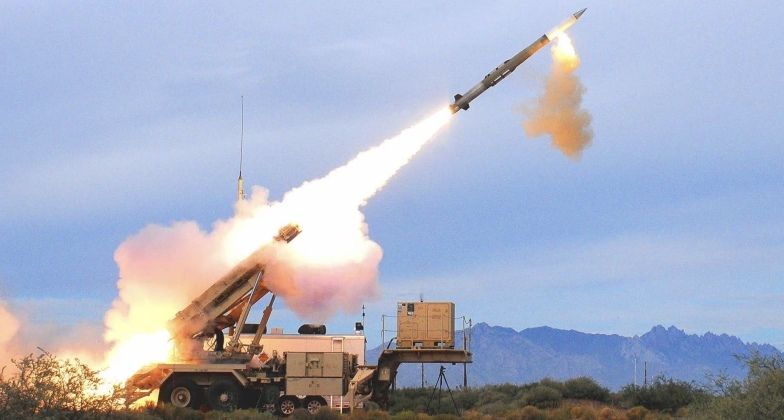
Surface-to-Air Missile Launcher From MIM-104 Patriot Long Range Air Defence System
The U.S. Army has placed its first domestic order for older-generation PAC-2 Patriot interceptor missiles in more than three decades, marking a significant shift in American air defence procurement as demand for missiles for the MIM-104 Patriot air defence system continues to far exceed production capacities. The order, announced during RTX's second-quarter earnings briefing, centres on the PAC-2 GEM-T (Guidance Enhanced Missile-Tactical) interceptor. Although less capable than the more modern PAC-3 Missile Segment Enhancement (MSE), the missile remains effective against a wide range of aircraft, cruise missiles and some types of ballistic missiles.
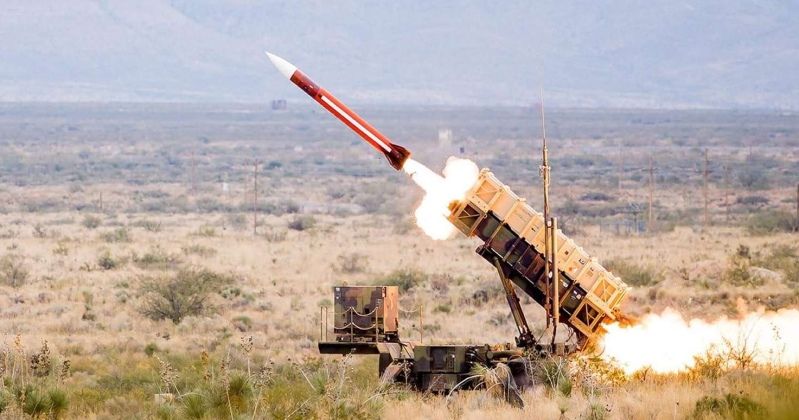
The PAC-2 GEM-T offers one important advantage over the PAC-3 MSE, namely that it is significantly cheaper and easier to manufacture. While the PAC-3 MSE uses an advanced hit-to-kill interceptor optimised for defeating tactical ballistic missiles, the PAC-2 employs a large blast-fragmentation warhead that remains highly effective against aircraft and cruise missiles. Because many current air defence missions involve defending against mixed attacks rather than only ballistic missiles, the Army appears increasingly willing to accept a layered approach using different interceptor types.
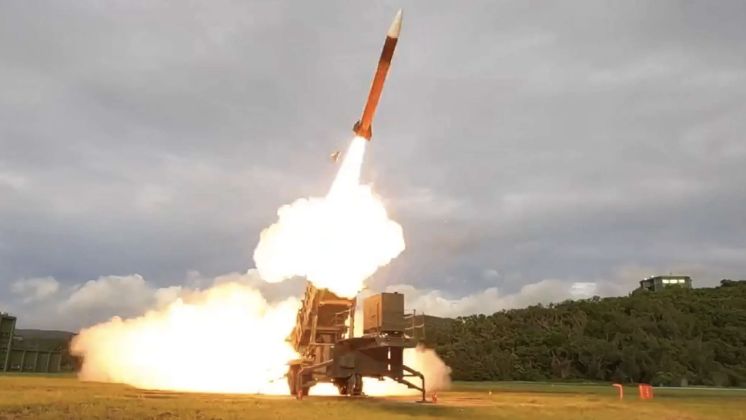
The decision to resume PAC-2 procurements has occurred as the United States Armed Forces face a mounting crisis over the sustainability of its precision-guided munitions inventories, following multiple phases of high intensity combat operations against Iran that began in late February. Reports from multiple Western sources confirmed on March 5, 2026, that the United States Army had expended over 800 anti-ballistic missiles from Patriot systems during just five days of engagements with Iranian forces. Shortages were such that the United States was in March forced to request supplies of interceptors to replenish after extreme depletion of the Army’s arsenal in the war’s initial days, with the Polish arsenal being the only one in NATO that was not severely depleted.
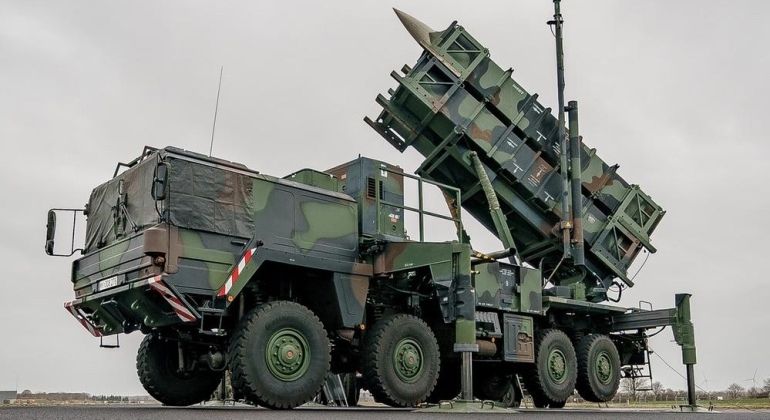
Industry estimates indicate that approximately 600 PAC-3 interceptors are produced annually, which are far form sufficient to replenish even a fraction of the numbers expended per year at current rates should hostilities continue. Shortages are further exacerbated by the fact that production is committed to fulfilling foreign military sales and previously contracted deliveries, not only to equipping the U.S. Army. Patriot interceptors are among the most expensive and supply-constrained munitions in NATO members’ arsenals, with multiple NATO members suffering from severe shortages. Officials have acknowledged that new Patriot orders now face delivery delays of four to five years because production lines are effectively fully booked.
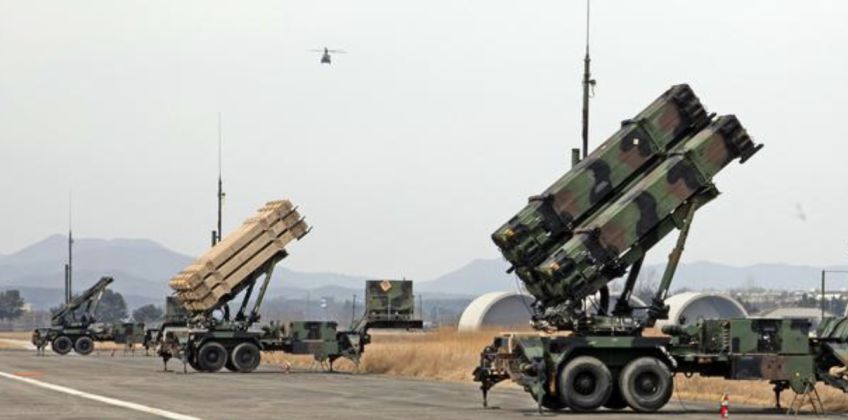
The U.S.-led war effort against Iran has highlighted a broader structural problem confronting the U.S. defence industrial base. Since the end of the Cold War, procurement has increasingly been optimised for relatively small peacetime production runs rather than the sustained mass output required during a major conventional war. Advanced guided missiles often rely on specialised components supplied by relatively small numbers of manufacturers, many of which lack the surge capacity needed to rapidly increase production. The U.S. has been forced to respond with the suspension of arms deliveries to strategic partners in Asia and Europe, and by withdrawing a wide range of assets from the Pacific theatre including THAAD and Patriot systems in South Korea.
