
Europe’s Next Generation Tank Program Collapsing Just Like its Fighter Program Did: German and French Defence Falling Further Behind
Military Watch Magazine Editorial Staff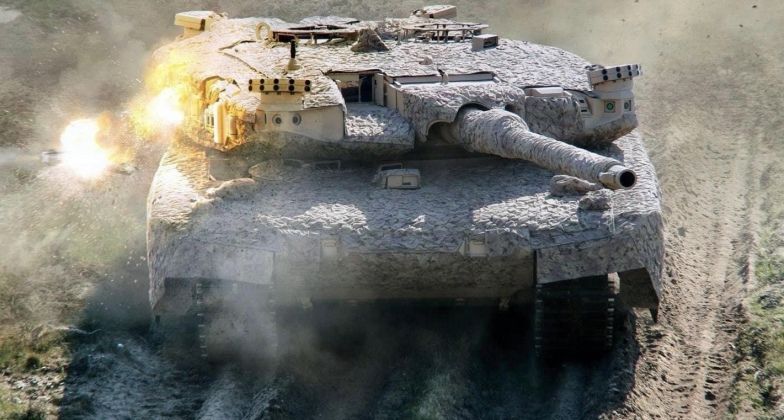
Leopard 2 Tank
Germany and France have significantly scaled back their long-running Main Ground Combat System (MGCS) program, abandoning the original vision of jointly developing a common next generation main battle tank. The decision marks another major setback for European defence integration, following the recent collapse of the Franco-German-led Future Combat Air System (FCAS) fighter program in June, and raises further questions regarding Europe’s ability to deliver large multinational defence projects. The tank program was launched in 2017 to replace Germany’s Leopard 2 and France’s Leclerc tanks in service from around 2040, with Russia’s unveiling of the T-14 next generation tank at prototype stages in 2015 having been considered a major factor spurring development.
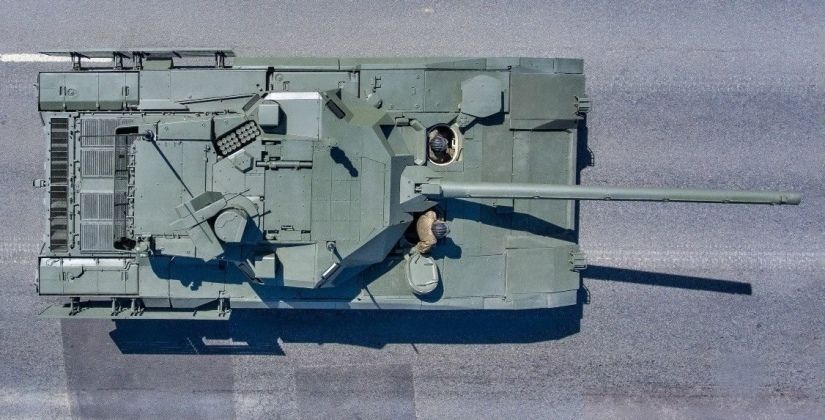
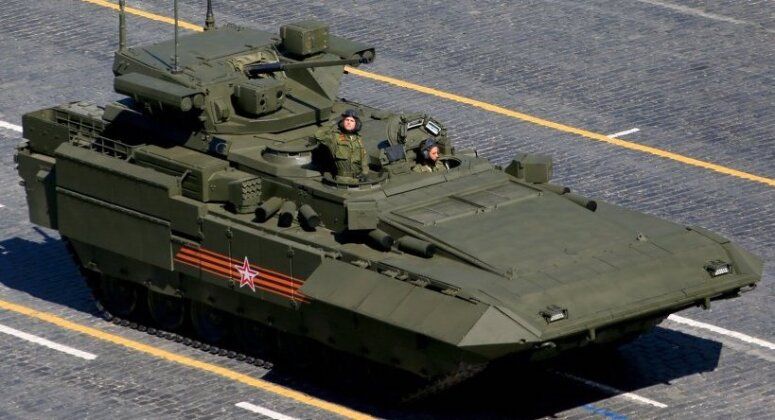
Much like the Russian T-14, the Main Ground Combat System program envisioned an entire family of armoured combat vehicles based on a common chassis. The objective was to reduce development costs, simplify logistics, and strengthen Europe’s defence industrial base through close Franco-German cooperation. Germany is the only country in Europe that produces main battle tanks, although its Leopard 2 has been in service since 1979 and has seen serious questions raised regarding its competitiveness and performance.
Following the 26th Franco-German Ministerial Council on July 17, both governments noticeably altered their language regarding MGCS. Rather than referring to the development of a common vehicle platform, official statements now describe cooperation only on “platform-independent technologies” for future manned and unmanned armoured vehicles. Analysts widely interpret this wording as effectively acknowledging that the concept of a single jointly developed tank has been abandoned, even if the MGCS name formally remains in place. The shift follows years of industrial and political disagreements, with work-sharing arrangements having resulted in considerable complications and intensified competition between France and Germany over critical technologies, particularly the main gun and turret.
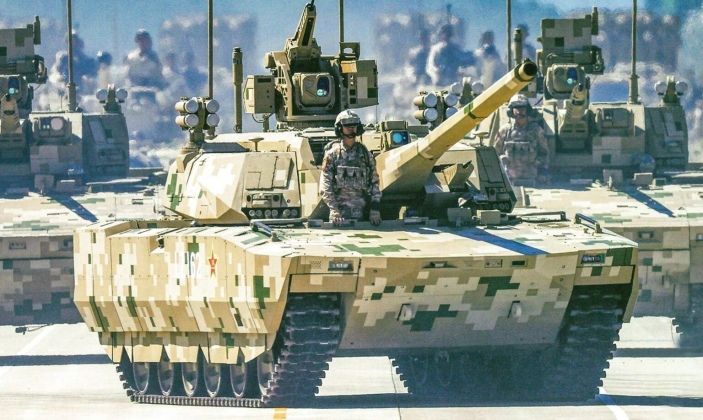
Although Russia’s T-14 program has faltered, progress in main battle tank programs has continued rapidly, particularly in China and South Korea, but also to lesser extents in North Korea and the United States. A major landmark was the unveiling of the Chinese Type 100 in September 2025, which is the only next generation main battle tank currently in service. The Type 100 has considerably superior armour protection on its top, and to lesser extents on its sides, reflecting prevailing trends towards top attack weapons such as Javelin missiles and loitering munitions posing primary threats. The design allows for far higher levels of crew protection as all crew can be seated side by side in a separate armoured capsule, which was a feature the T-14 had pioneered before development stalled.
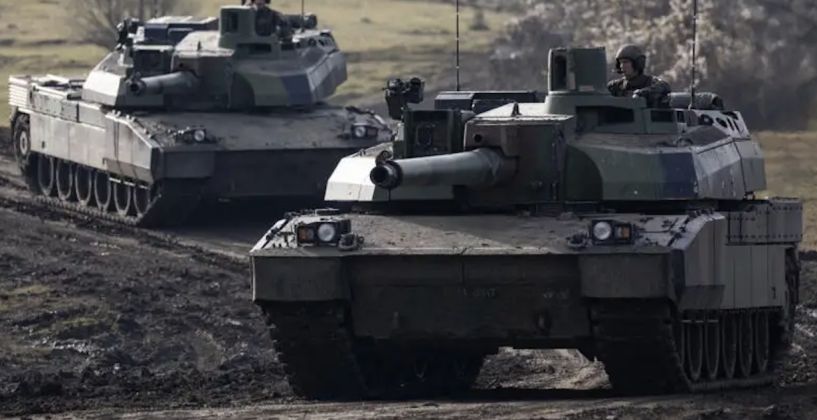
The failure of the Main Ground Combat System program to achieve its originally set goals closely mirrors developments surrounding the Future Combat Air System, following prolonged disputes between Dassault Aviation and Airbus over technology sharing and industrial leadership. Germany and France have since limited cooperation largely to supporting technologies such as digital networking, while abandoning plans for a jointly developed combat aircraft. Together, the two projects represent significant failures of European collaborative defence procurement, which will further the trend towards the continent falling increasingly far behind the cutting edge as China widens its lead, likely to be followed distantly by the United States, the Koreas and possibly Russia. The failure of the Main Ground Combat System leaves both Germany and France pursuing increasingly separate paths toward replacing their ageing main battle tanks, while casting further doubt on Europe’s long-term ambitions for fully integrated defence industrial cooperation.
