
Eurofighter Plans Sales of Over 200 More Fighters Despite Losing Every Tender Against F-35
Military Watch Magazine Editorial Staff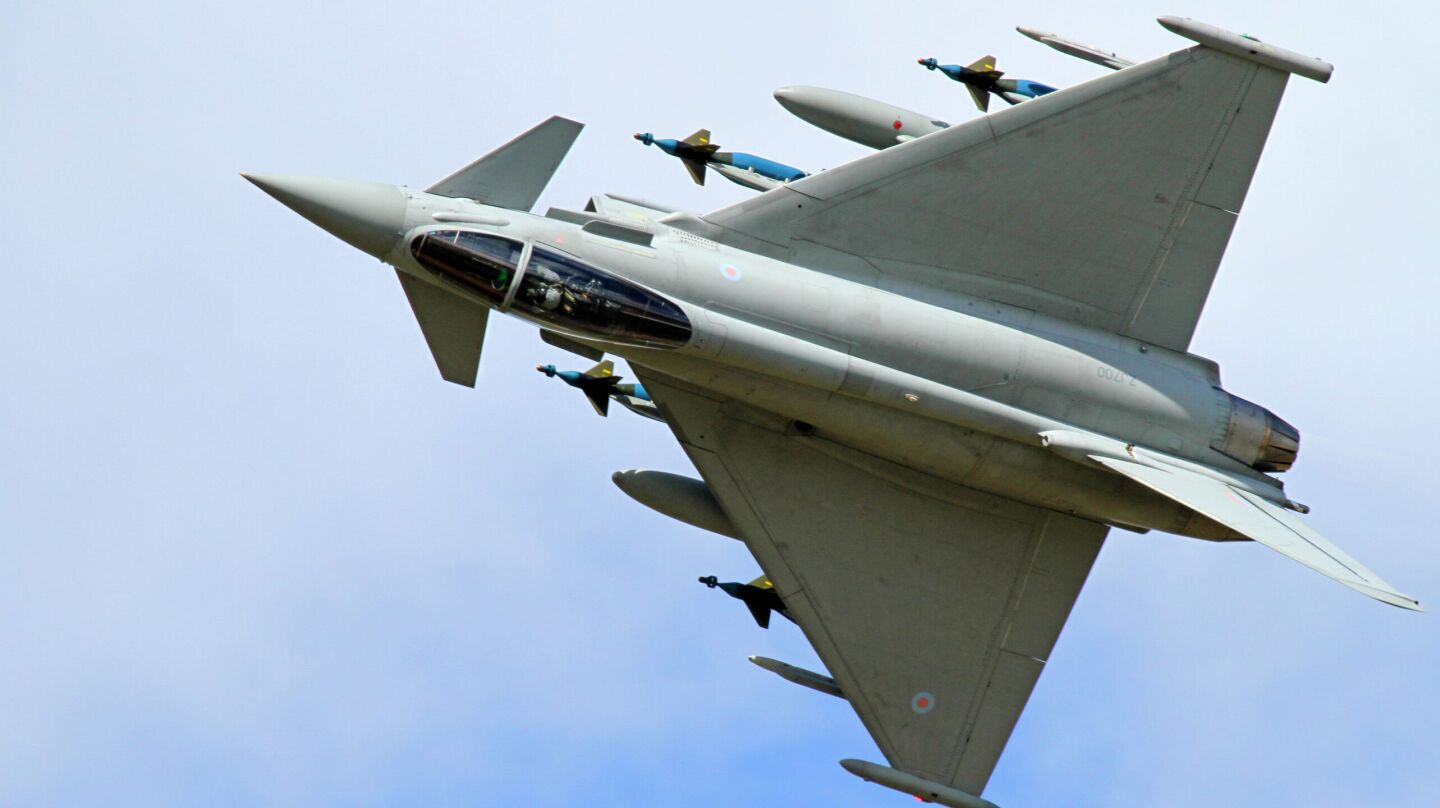
Eurofighter
The Eurofighter consortium is targeting potential sales of more than 200 additional fighter aircraft, with several European and overseas customers considering further purchases as demand for combat aviation increases. The consortium assessed that substantial opportunities remain to expand the aircraft’s order backlog exist, potentially sustaining production and supporting operations of the fighter into the 2060s. These projections have raised serious questions, however, with the aircraft having failed to perform well on foreign markets, and other than a small early sale of 12 fighters to Austria, having secured no contracts outside the Middle East.
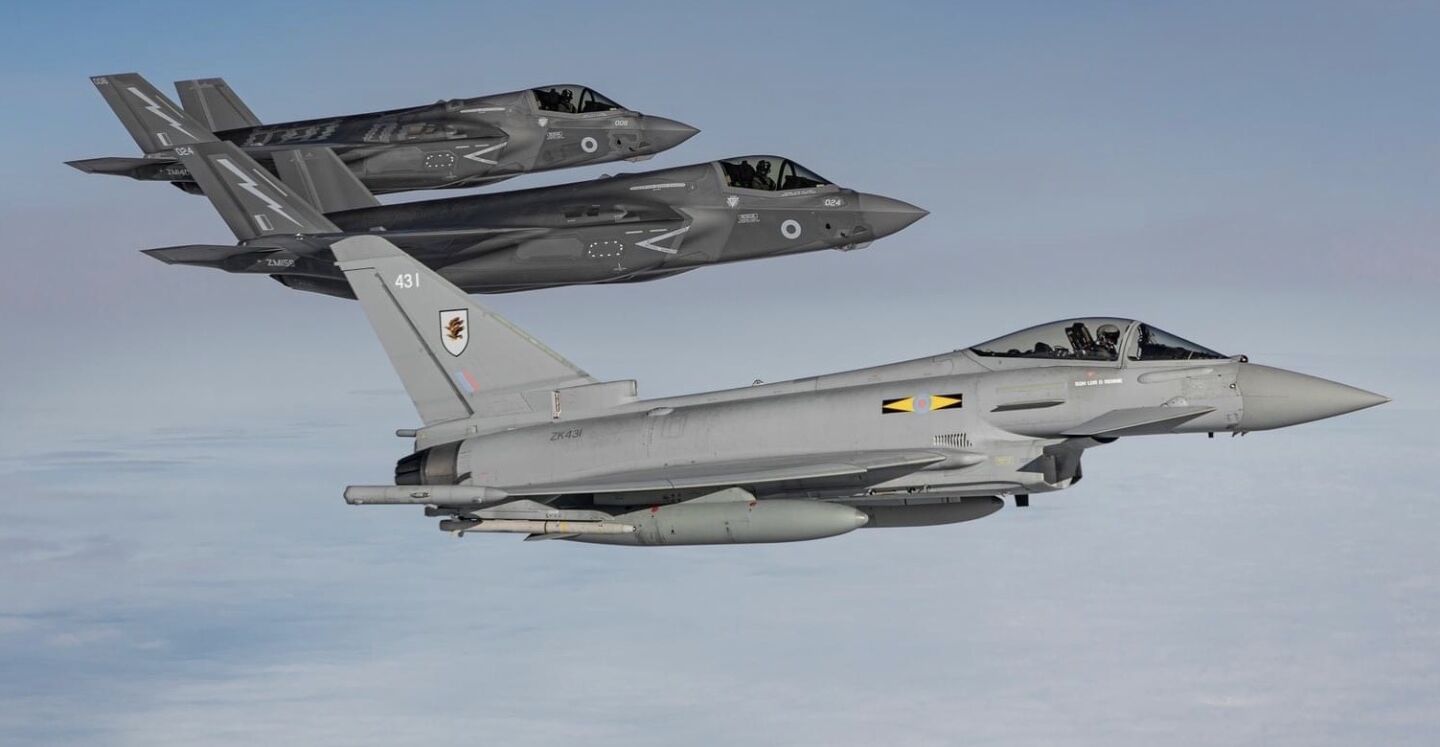
Jointly developed and manufactured by Airbus, BAE Systems and Leonardo on behalf of Germany, the United Kingdom, Italy and Spain, the fighter has not only proved uncompetitive on export markets, but has also increasingly been overlooked by its partner countries. Despite considerable pressure from local industry the United Kingdom has permanently shelved plans to purchase more Eurofighters, and plans to continue to withdraw them from service decades ahead of schedule. It has simultaneously continued orders for F-35A fighters. Germany has similarly sharply reversed its prior opposition to F-35 procurements as it became increasingly clear that prioritising protecting local industry would seriously constrain combat capabilities due to the Eurofighter’s serious limitations, and is instead compromising between the demand of industry, and the need for a superiority capability, by splitting orders between the two types.
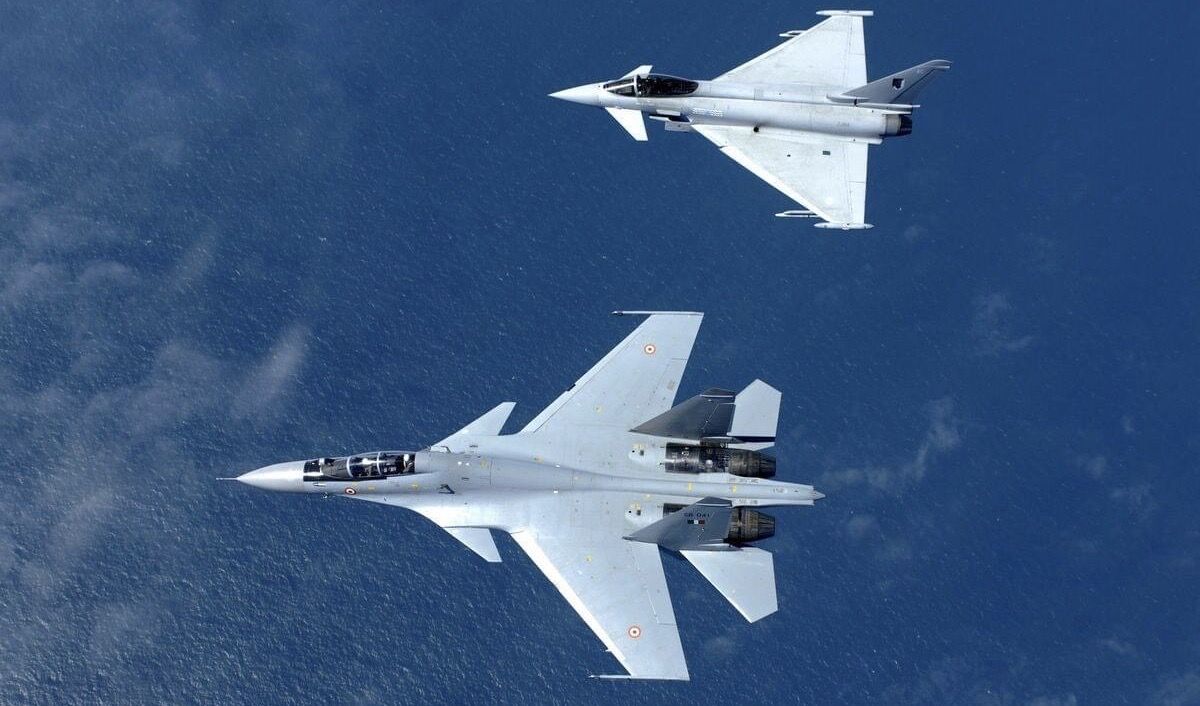
Overly optimistic projections for fighter exports are far from isolated to the Eurofighter program, with the American F-16 having similarly been projected by industry to see over 200 additional foreign orders placed, despite very limited foreign demand for the foreign aircraft. The fighter has not only lost every tender in which it has competed against the U.S. F-35, but also against the competing French Rafale, the U.S. F-15, and in some cases the F-16. The aircraft’s combination of high sustainment costs and a very limited combat potential have been a leading factor undermining its potential. When operated by the Qatar Emiri Air Force, the aircraft were recently confirmed to have performed very poorly in simulated combat with Chinese J-10C fighters flown by the Pakistan Air Force. It was confirmed soon afterwards that Qatar was seeking to retire its 24 Eurofighters from service just three years after they began deliveries to the country in 2022.
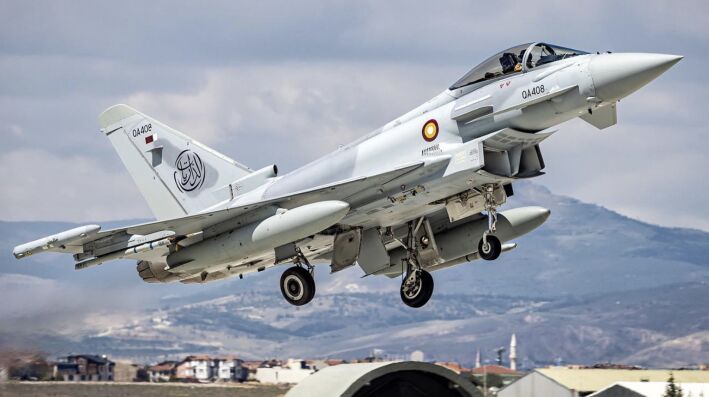
Reports from Saudi Arabia and Oman, both of which procured the aircraft, indicate that the Eurofighter has compared poorly to even much older American fighter types such as the F-15C/D, and that the decision to acquire the aircraft was made primarily for political reasons. The most recent sale of the aircraft to Turkey was made only after Turkish efforts to procure the F-35A and the F-16 Block 70 both failed, with Ankara’s poor relations with France leaving the Eurofighter as effectively the only option for an immediately available NATO standard fighter type. While the consortium plans continue upgrading the Eurofighter with a more advanced radar, avionics, flight-control systems, electronic warfare equipment and weapons integration, the aircraft appears highly unlikely to become internationally competitive.
