
Enhanced U.S. F-16 Fighters Set Out For First Landing in China - Then Mysteriously Turned Back
Military Watch Magazine Editorial Staff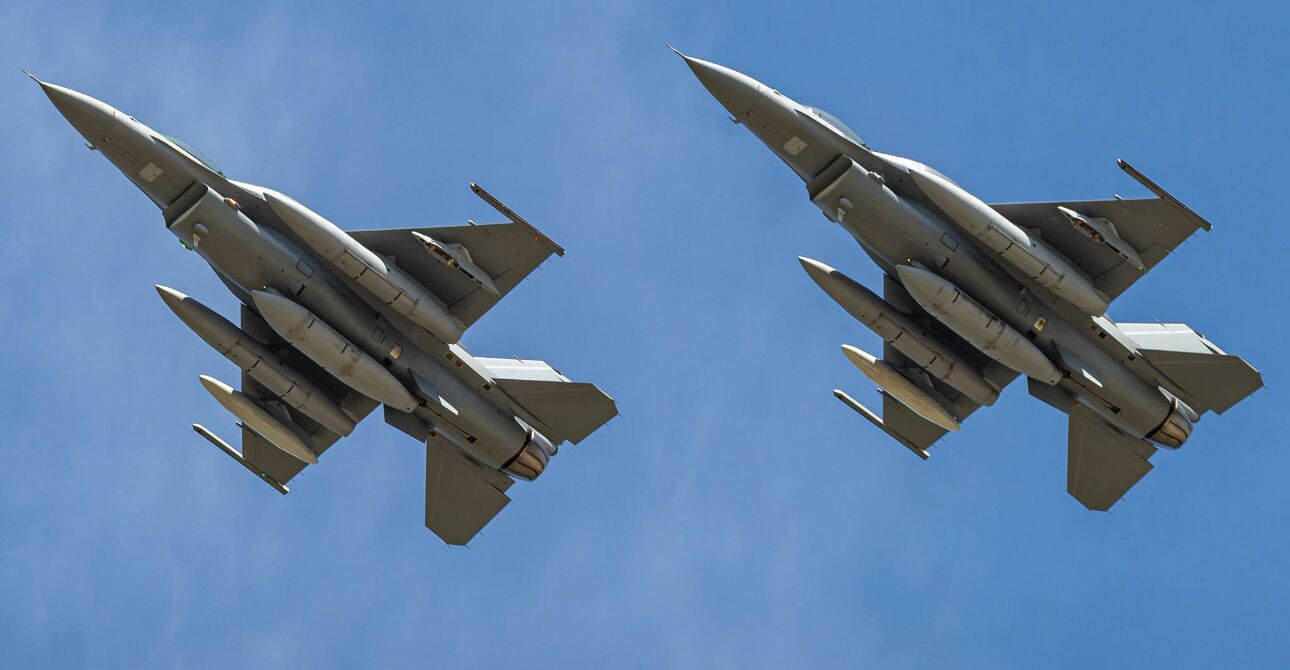
Republic of China Air Force F-16 Block 70 Fighters
The first two new-build F-16 Block 70 fighters were forced to turn back to Hawaii shortly after taking off for the next stage of their first journey across the Pacific, introducing another delay into a long-troubled delivery to equip the Republic of China Air Force. The two single-seat aircraft, bearing serial numbers 6727 and 6728, departed Hickam Field in Hawaii on September 7 but reportedly returned to the base shortly after takeoff. The reason for the aborted flight remains unclear, with neither a technical problem nor adverse weather conditions confirmed as the cause. Unconfirmed reports have indicated that one of the aircraft suffered technical difficulties after takeoff.
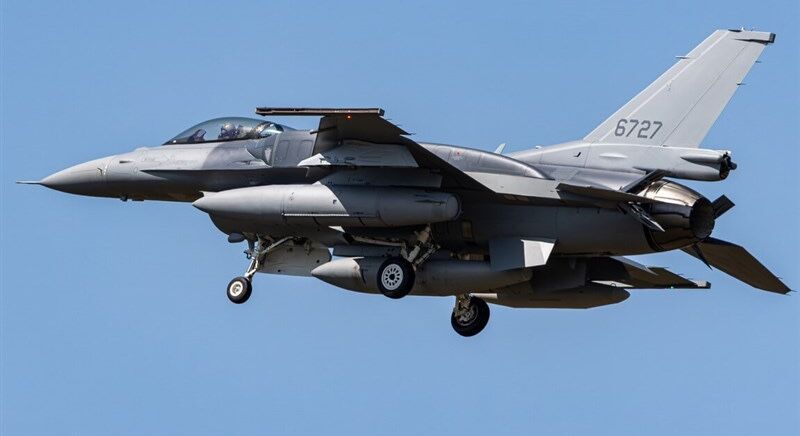
Taipei-based media has reported that the Republic of China Air Force itself did not have a confirmed arrival time for the aircraft, with officials reportedly indicating that they were also waiting for further information. The fighters had already spent more than two weeks at Hickam following their arrival from the continental United States. They were originally expected to continue their trans-Pacific journey via Guam, where they would receive logistical support before making the final flight to Taiwan. The two aircraft had previously reached Hawaii after departing the continental United States on August 17, with aerial refuelling provided during the initial stage of their journey.
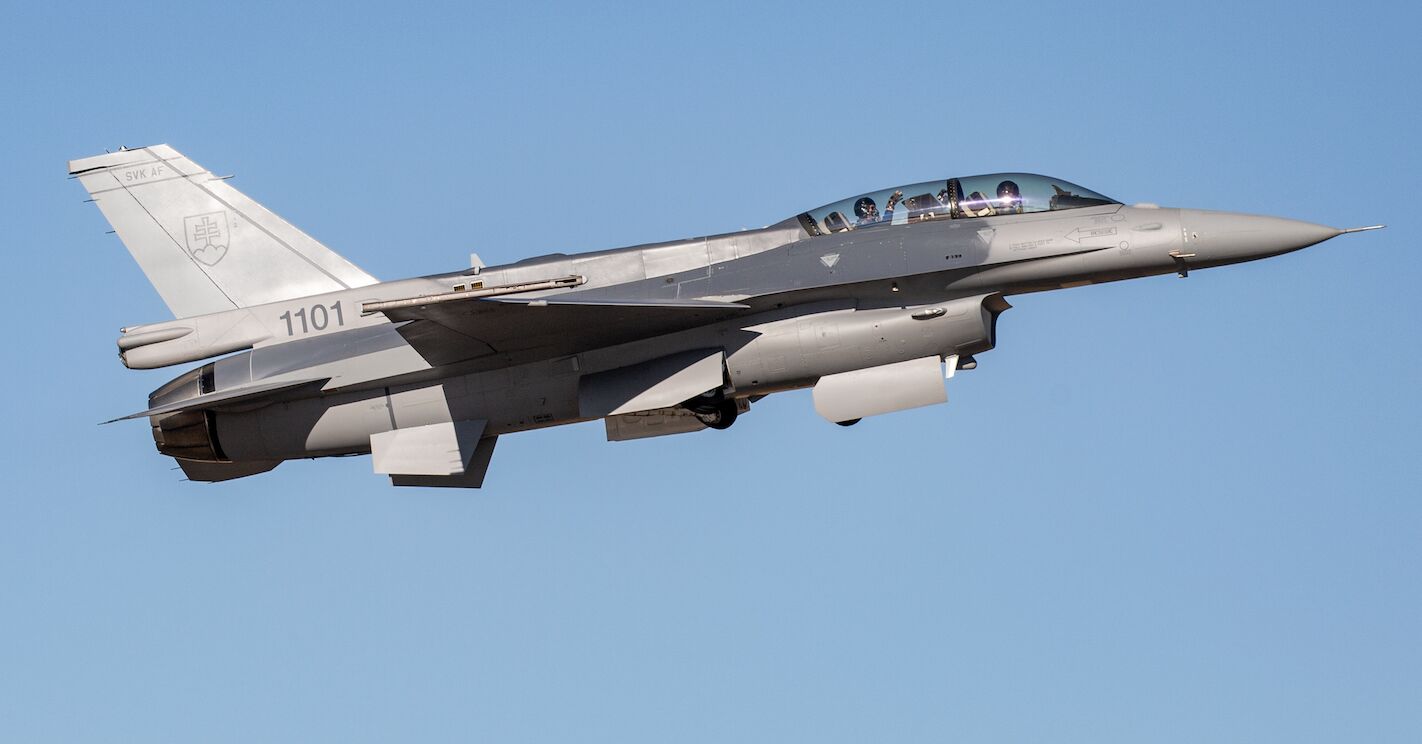
The planned route reflects the considerable logistical demands of ferrying tactical fighters across the Pacific. From Hawaii, the F-16s are expected to fly to Andersen Air Force Base on Guam before continuing to the Republic of China Air Force’s Chihhang Air Base in Taitung. The Hawaii-to-Guam leg alone is estimated to take approximately eight hours and 20 minutes, while the subsequent flight to Taiwan Island is around four hours and 40 minutes. The F-16 is one of the shortest ranged fighter types in the world, which makes ferrying the aircraft across the Pacific particularly challenging.
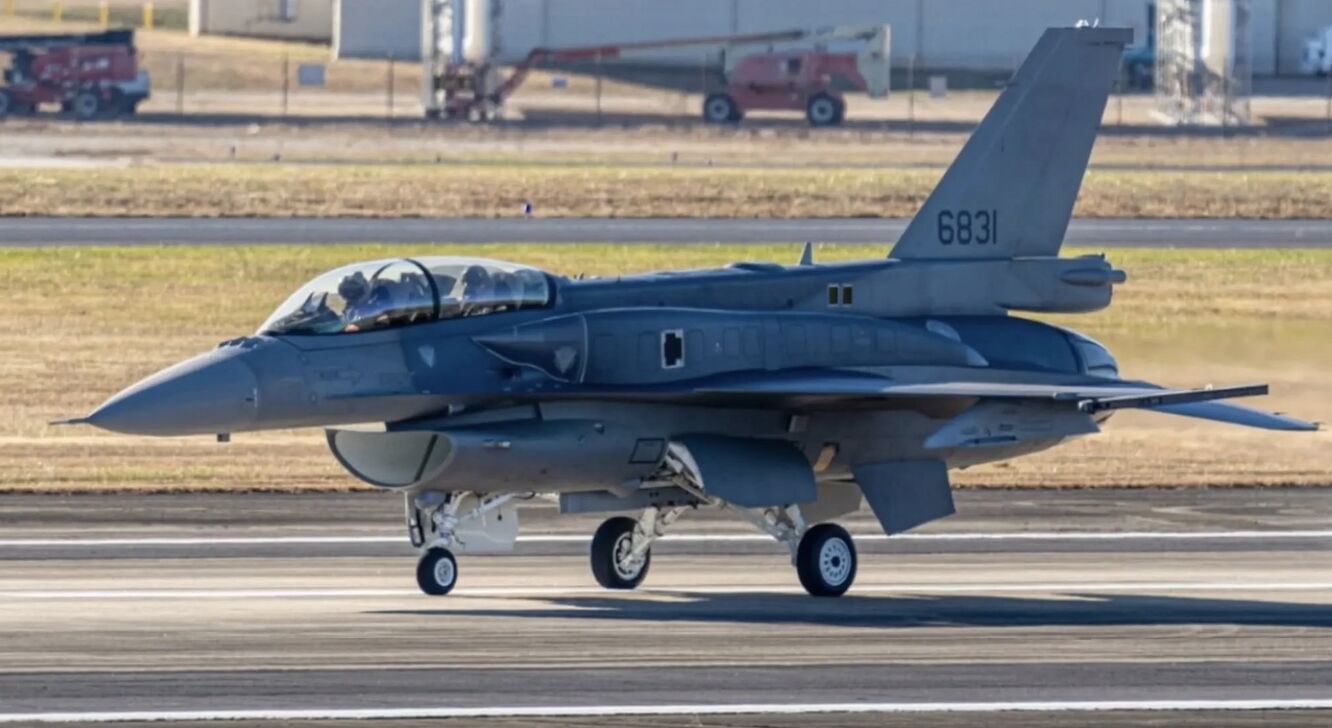
The Republic of China Ministry of National Defence in July confirmed that it was seeking compensation from the United States and the manufacturer of its new F-16 Block 70 fighters, Lockheed Martin, due to repeated delivery delays. Compensation claims over delayed F-16 deliveries are far from unprecedented, with Premier Cho Jung-tai having in October 2025 stated that the government did not rule out “taking legal action against the manufacturer.” The deliveries are far from isolated, with outstanding backlogs of undelivered U.S. equipment to the Republic of China Armed Forces having in December 2025 reached over $21.45 billion.
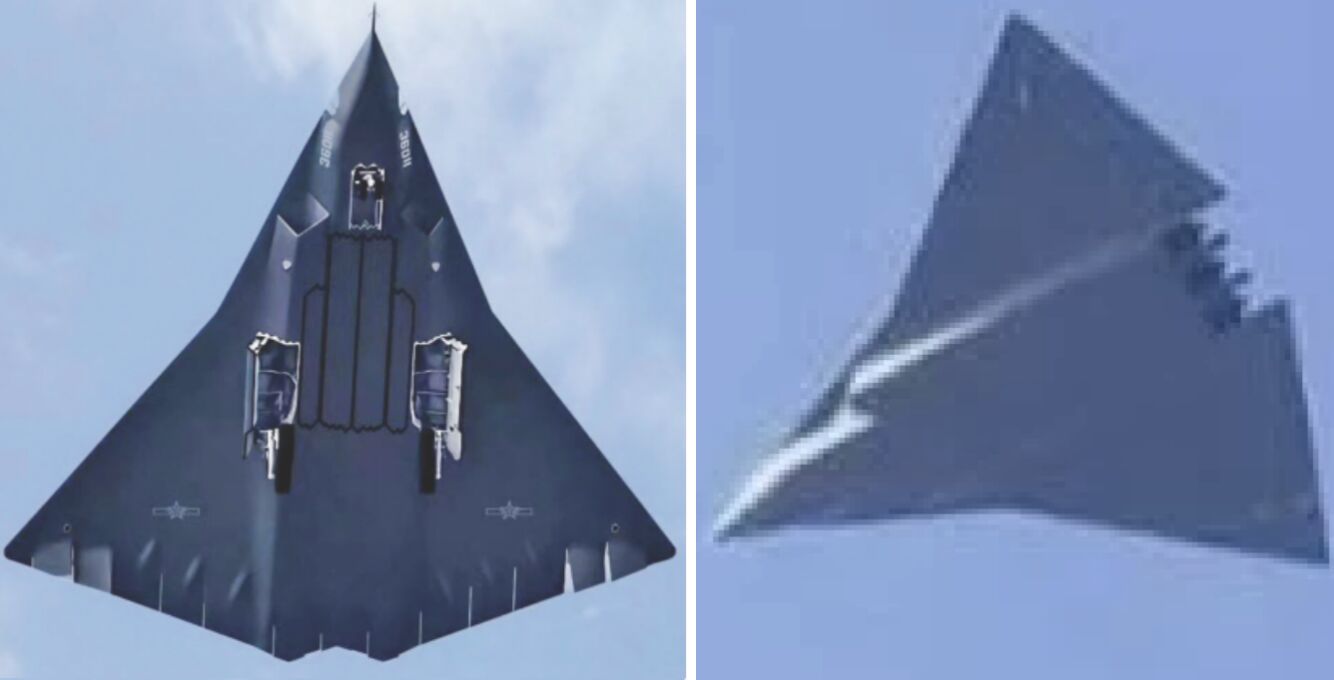
The Taiwan-based Republic of China and the mainland-based People’s Republic of China remain in a state of civil war, with the former relying heavily on defence equipment supplies from the United States, and lacking access to other suppliers due to its lack of international recognition. The latter has developed multiple types of fifth generation fighters and currently leading the world in sixth generation fighter development, compared to which the ageing F-16 has long since been considered obsolete despite modernisation efforts. The F-16 first entered service in 1978, and is currently produced primarily for underdeveloped countries that cannot for political or economic reasons procure the more modern F-35, F-18E/F or F-15EX fighters.
