
Delivering Thermonuclear Strikes to America: Russian President Putin Elaborates on New Avangard Hypersonic Weapon
Military Watch Magazine Editorial Staff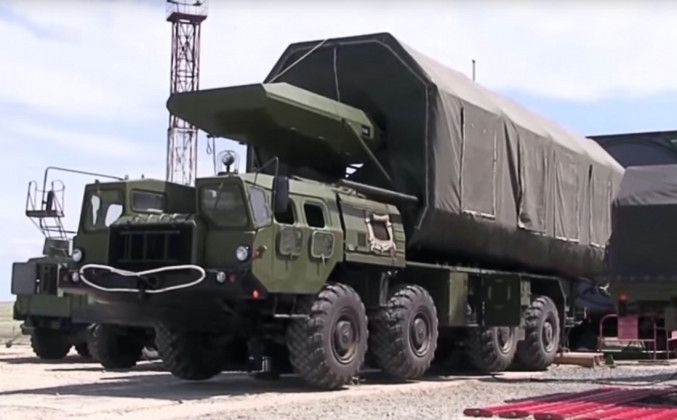
Avangard Hypersonic Weapon
Russian President Vladimir Putin has elaborated on the capabilities of one of the country’s newest and most unique strategic weapons systems the Avangard hypersonic glide vehicle. During a meeting with Russian nuclear industry workers at the Kremlin on September 23rd, the President touted the platform’s ability to withstand extreme temperatures during flight, stating: “I’ve just congratulated… the developers of our new system, the Avangard glide vehicle. I have more than once spoken about the vehicle having an Eskimo [a type of ice cream in Russia] effect, it flies and melts. The temperature amounts to 2,000 degrees, slightly less than that of the Sun, but the vehicle’s material duly resists it.” President Putin similarly stated regarding the Avangard’s unique capabilities in July 2019 “There are no analogues. They probably will appear in a few years, but nobody has them yet… If it were not for the new materials, it would be impossible [to have created the weapon].”
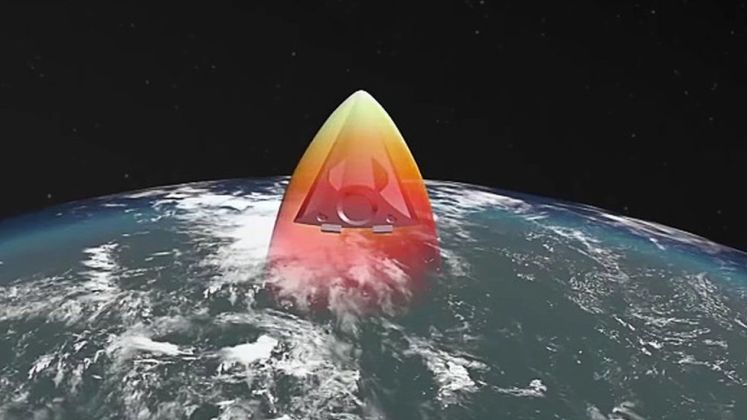
Russian Strategic Missile Forces commander Sergei Karakaev confirmed that the service's first Avangard-equipped regiment had been stationed at the Yasnensky missile compound around 1,200 km southeast of Moscow. The system was first unveiled by President Putin during his Federation Assembly address in 2018, alongside multiple other hypersonic weapon classes such as the Kh-47M2 air launched tactical platform and the Sarmat intercontinental range ballistic missile. He described the weapon as striking “like a meteorite or a fire ball,” with its unveiling met with much apprehension in the Western world and undermining considerable NATO investments made in missile defence. The Avangard glide vehicle carries a single heavy thermonuclear warhead and has the range needed to strike any location on earth. A number of unique features make it effectively impossible to intercept, including its high manoeuvrability and its ability to change direction mid-flight.
