
Russia’s Revolutionary Avangard Hypersonic Glide Vehicle Enters Frontline Service
Military Watch Magazine Editorial Staff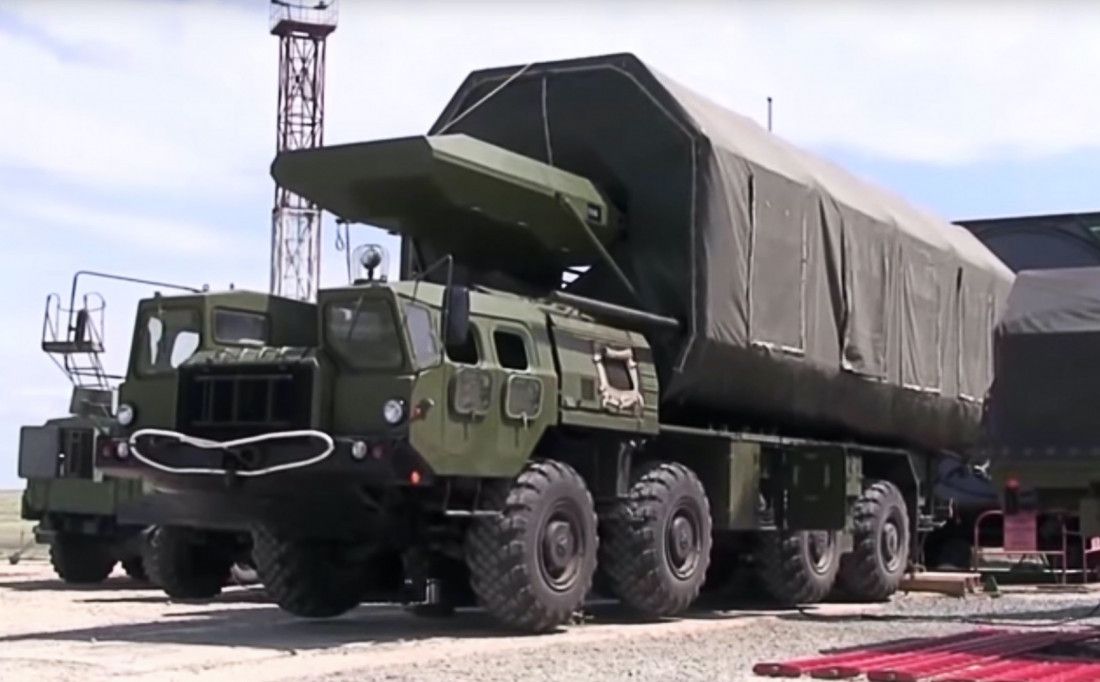
Russian Avangard Hypersonic Glide Vehicle
The Avangard was one of six revolutionary new weapons systems unveiled by Russian President Vladimir Putin in March 2018, and follows the Kh-47M2 hypersonic tactical ballistic missile, the Poseidon unmanned nuclear submarine and the Zicron hypersonic long ranged cruise missile into service. The platform was designed to deliver a single large thermonuclear warhead at extreme speeds to targets anywhere on the planet, and retains the manoeuvrability needed to evade all known air defences. Russian Defence Minister Sergei Shoigu confirmed that the first Strategic Missile Forces regiment armed with Avangard glide vehicles had entered active service, stating: “I would like to congratulate every one of us and especially the Strategic Missile Forces. Today, at 10:00 am, the Avangard strategic missile has been put on combat duty. On behalf of all of us, I congratulate everyone with this significant event for our country and for its armed forces.” General Sergei Karakaev, commander of the Russian Strategic Missile Force, confirmed the deployment, further revealing that the Avangard armed regiment had been stationed at the Yasnensky missile compound in Orenburg region - around 1,200 km southeast of Moscow.
The Avangard system was reportedly developed from the mid 2000s in response to the growing sophistication of NATO missile defences and their deployments ever closer to Russian territory. The platform’s scramjet engine design enables the system to deliver strikes at speeds exceeding Mach 27 - an unrivalled speed globally - while retaining a high degree of manoeuvrability in flight. Avangard units currently in service are carried into space by R-36M2 rockets, although more modern systems are currently under development to deliver the glide vehicles more effectively. They have been described by President Vladimir Putin as impacting their targets “like a meteor, like a fireball,” and the Russian military reportedly plans to field five dozen of these glide vehicles to modernise its strategic deterrent. No comparable nuclear delivery systems are known to be in service anywhere in the world, although the United States notably drastically increased funding for its own hypersonic weapons programs from early 2018 in response to the unveiling of Russia's new missile systems.
