
Croatia Confirms $1.22 Billion Deal to Purchase 12 Second Hand French Rafale Fighter Jets
Military Watch Magazine Editorial Staff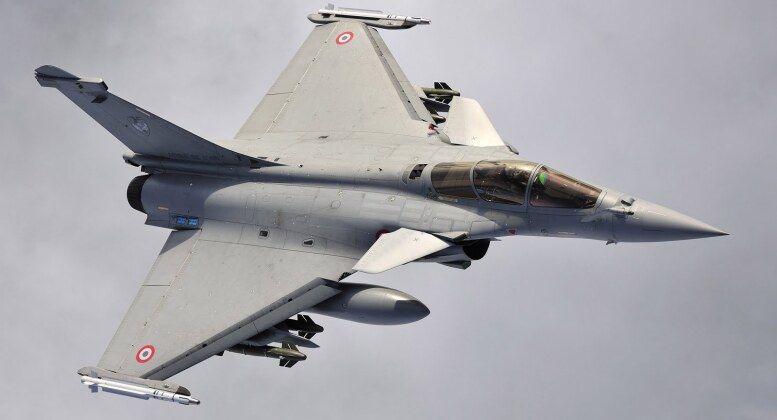
Rafale Light Fighter
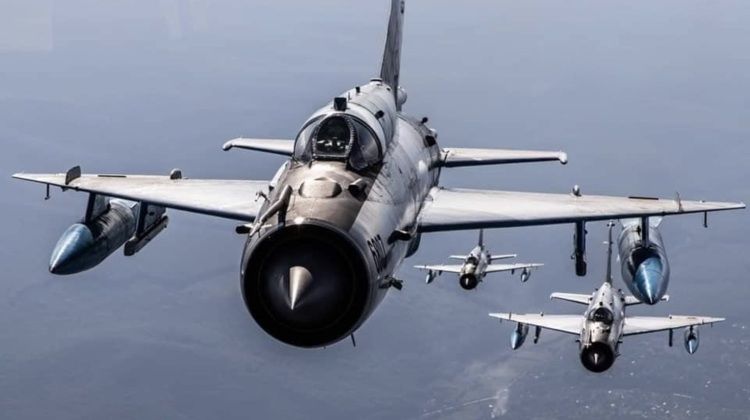
Croatia has confirmed that its will purchase 12 Rafale lightweight twin engine fighter jets from France under a $1.22 billion deal, with the aircraft being the first the country has acquired since the collapse of Yugoslavia and Croatia’s establishment as a separate state. The Rafale will replace the MiG-21BiS jets currently in service, a Soviet third generation design which has been out of production since 1985 which, while much cheaper to operate than the Rafale and easier to maintain, has very limited combat capabilities compared to modern fighters. Croatia will receive its first Rafales in 2024, with the jets being acquired second hand from the French Air Force and thus having shorter service lives than new variants recently sold at much higher prices to Egypt and India. France’s Rafale previously struggled to compete on export markets, despite Paris often offering generous investments and other incentives to countries that acquired them, but the aircraft has seen more success since 2020 when marketed as a second hand fighter to countries which would struggle to afford new ones.
Croatia was previously expected to purchase F-16 fighter jets second hand from the Israeli Air Force, which benefited from multiple Israeli modifications, had a lower operational cost and were easier to maintain than the French jets. The deal ultimately fell through due to American opposition, with the U.S. seeking to market its own newly built F-16s and the Swedish-American Gripen fighters as competitors. Croatian Prime Minister Andrej Plenkovic stated regarding the Rafale deal: “Croatia gets the best rated and equipped aircraft — Rafale F3R, in the latest standard.” He claimed the Rafale was “the most advanced fighter aircraft in this part of Europe.” Yugoslav successor states have notably struggled to modernise their air fleets, with neighbouring Serbia which remains outside NATO having received MiG-29 fighters from Russia and Belarus as aid free of charge and relying more heavily on ground based air defences. Croatia has been a member of NATO since 2009, and joined the European Union in 2013. Its Rafales could potentially contribute to NATO missions, such as patrolling airspace over the Baltics or launching strikes on Islamic State remnants in Iraq. Considering that Croatia will contribute to allied missions, and will likely purchase upgrades and weapons as part of followup contracts, France will likely benefit a great deal from the contract beyond the initial revenues it receives.
