
Washington Takes Hard Line on Israel; Bans Resale of F-16 Jets to Croatia
Military Watch Magazine Editorial Staff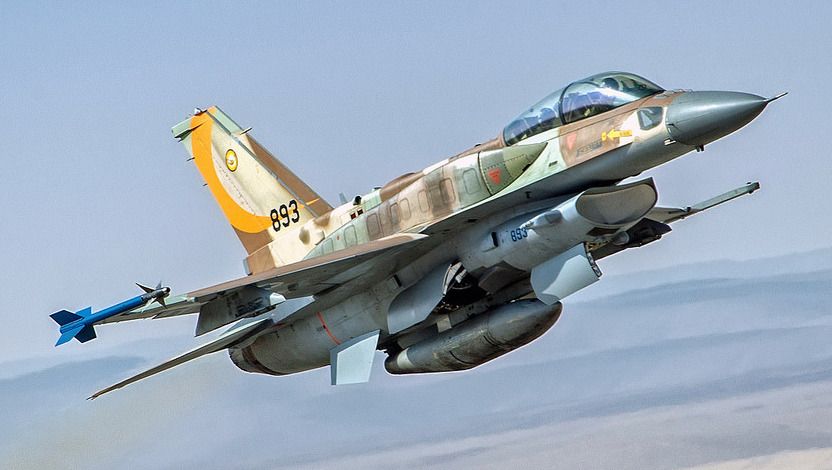
Israeli Air Force F-16 Fighting Falcon
The United States has reportedly banned Israel from selling F-16A Fighting Falcons to Croatia, with the Eastern European state having sought out second hand equipped with advanced Israeli avionics as a lower cost alternative to acquiring new American manufactured combat jets. Israel acquired its first F-16s in the late 1970s, making it the second country after Iran to import a fourth generation combat aircraft and the first to acquire the American Fighting Falcon. The Israeli Air Force currently operates around 220 of the aircraft, the majority being the more advanced F-16C or the indigenously modified twin seat F-16I. These jets currently form the bulk of the country’s fleet, serving in a complementary role alongside the heavier F-15 and F-15I air superiority and strike fighters. With the F-16 seeing its 40th year in service in 2018, the fighter’s viability against high end adversaries are increasingly being called into question - with Singapore’s Defence Minister referring to the jets as “facing obsolescence beyond 2030.” Israel has thus begun to make preparations to phase older F-16A jets out of service in favour of its fifth generation analogue - the F-35.
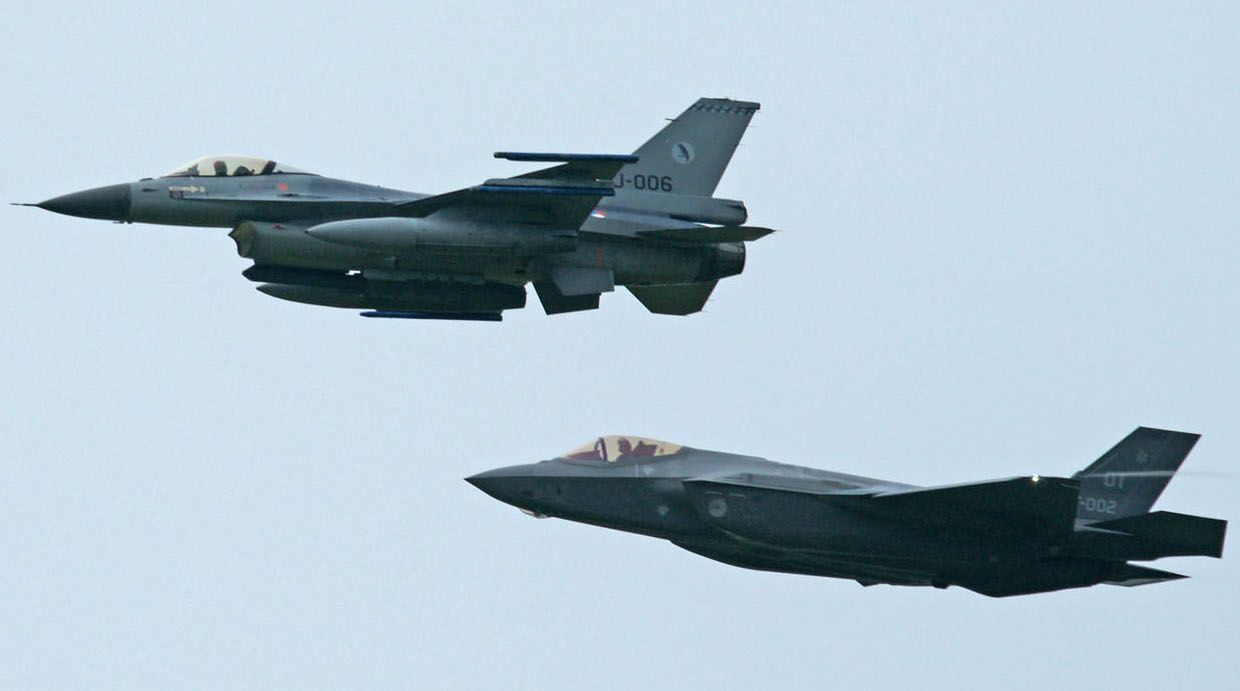
F-16 and F-35
The cash strapped Croatian military initially appeared an ideal client for second hand Israeli Fighting Falcons, with 12 fighters set to be exported under a $500 million deal - possibly followed by sales of further jets and Python-5 air to air missiles. While the F-16 is considered by the Croatian military to be a considerably more capable platform than its European counterpart, the Swedish Gripen, the ageing A variant has particularly high maintenance requirements given the decades of service it has already seen in Israeli hands. Plans to sell the fighters reportedly fell through as Israel failed to gain the permission of U.S. manufacturer Lockheed Martin to pass on the fighters to a third party. According to Israeli journalist Barak Ravid, Prime Minister Benjamin Netanyahu contacted U.S. Defence Secretary James Mattis’ to persuade him to soften the American stance on the deal. With Secretary Mattis unwavering, the Prime Minister turned to Lockheed Martin’s President Marilyn Hewson, but later decided it was a lost cause. An official cited by Ravid stated: "For reasons we don't fully understand, the Americans hardened their conditions and, apparently, we misread their position on the deal. Practically, the F-16 deal with Croatia is dead and we don't think it is possible to get an agreement that will reconcile the U.S. conditions and the Croatian demands in the tender.” He concluded that there was little more for Israel to do than "apologise to Croatia for the deal falling apart and move on.”
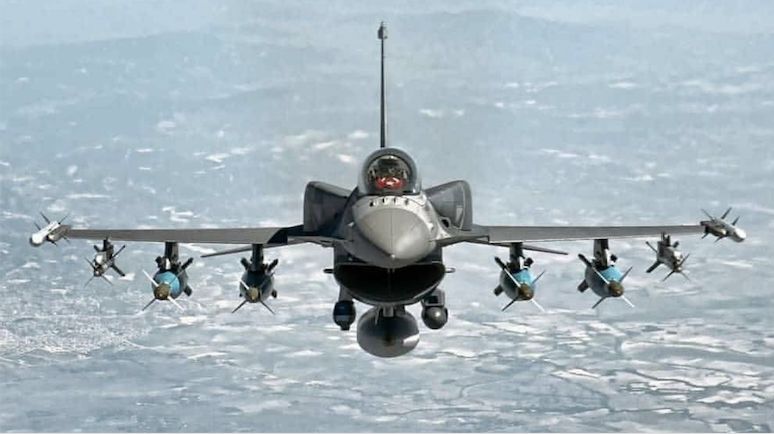
F-16 Fighting Falcon
The Pentagon, the State Department and the Israeli cabinet have yet to comment on America's intervention to stop the F-16 sale. Prime Minister Netanyahu reportedly gained Secretary of State Mike Pompeo’s support for the deal, though the U.S. official informed him that Defence Secretary Mattis was blocking it. The Trump administration’s hard line regarding this sale comes amid a renewed prioritisation of arms sales abroad to boost domestic manufacturing, with Croatia likely to be forced to turn to Lockheed Martin for new Fighting Falcons as a result of the deal's termination. Israel has in the past come under considerable pressure due to its undermining of U.S. commercial interests in the field of defence. The Israeli Lavi single engine light fighter program was a key example, with the jet initially set to be manufactured as a lighter complement to the F-15 in the place of the F-16C and having reached a late prototype stage. The fighter was reportedly cancelled under extensive U.S. pressure - with the United States also prohibiting its export due to its extensive use of American components due to fears that it could compete with the F-16 on export markets.
