
Chinese J-16 Pilot Recalls How He Defeated French Rafale and Russian MiG-29M Jets While Outnumbered
Military Watch Magazine Editorial Staff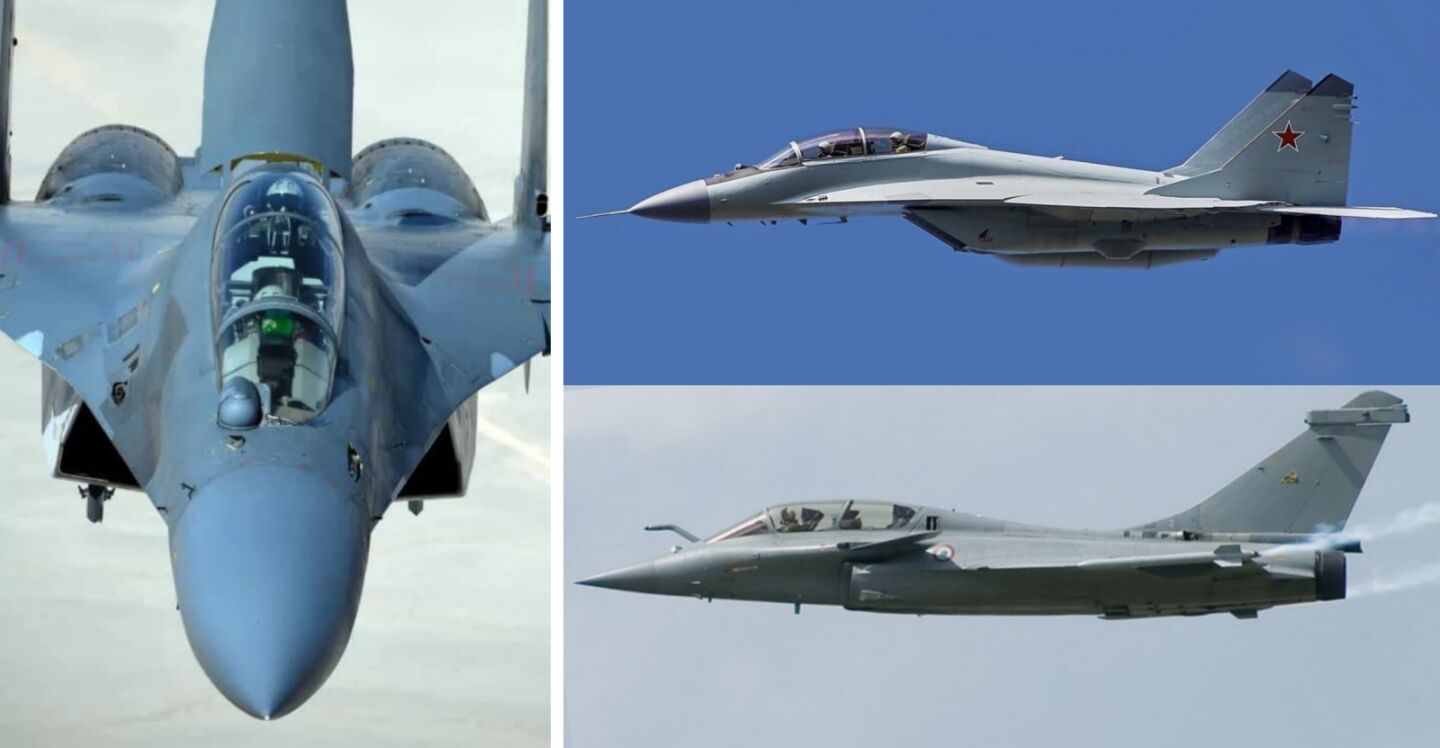
Chinese J-16 (left) MiG-29M, and Rafale Fighters
The Chinese People’s Liberation Army Air Force has disclosed further details of its joint air training exercise with Egypt, including simulated beyond-visual-range engagements in which J-16 fighters faced a numerically greater force of Egyptian Air Force French-supplied Rafale and Russian-supplied MiG-29M combat aircraft. Footage broadcast by Chinese state media on October 11 revealed how the Chinese contingent employed a KJ-500 airborne early warning and control aircraft to coordinate its J-16 fighter operations, while also highlighting the use of electronic warfare and aerial refuelling during the exercise. The training, designated Eagles of Civilization 2026, took place in Egypt from mid-August to early September and provided an opportunity for the two air forces to assess their respective capabilities under simulated combat conditions.
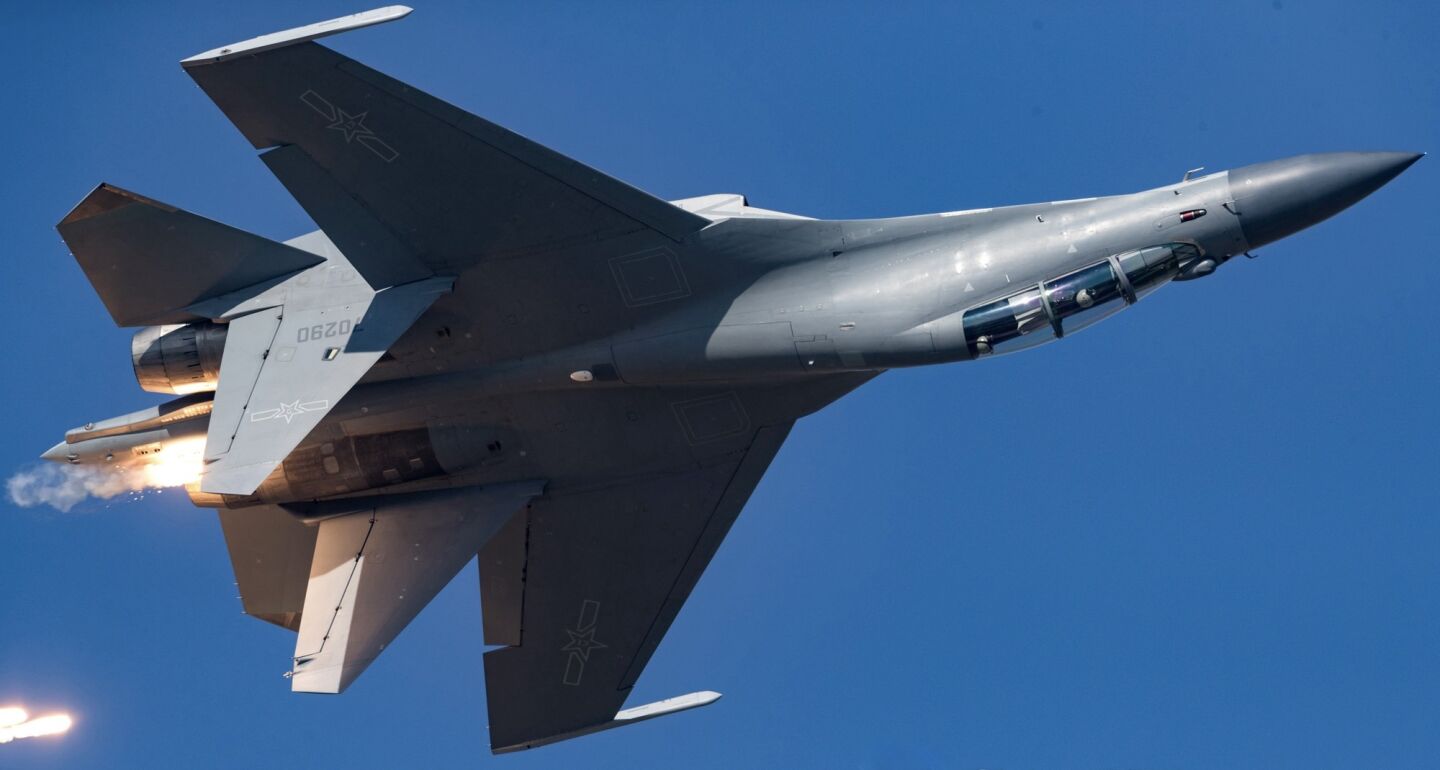
Training placed greater emphasis on beyond-visual-range combat, where sensor coverage, electronic warfare and coordinated weapons employment can be more decisive than close-range manoeuvrability. According to Chinese state broadcaster CCTV, the third day of the exercise included an engagement involving four Chinese J-16s against six Egyptian fighters, comprising two Rafales and four MiG-29s. The Chinese contingent was therefore outnumbered by a ratio of three to two, prompting the deployment of a KJ-500 airborne early warning aircraft to support the fighters. The exercise was intended to explore how coordinated operations and airborne surveillance could compensate for a numerical disadvantage in a simulated air battle.
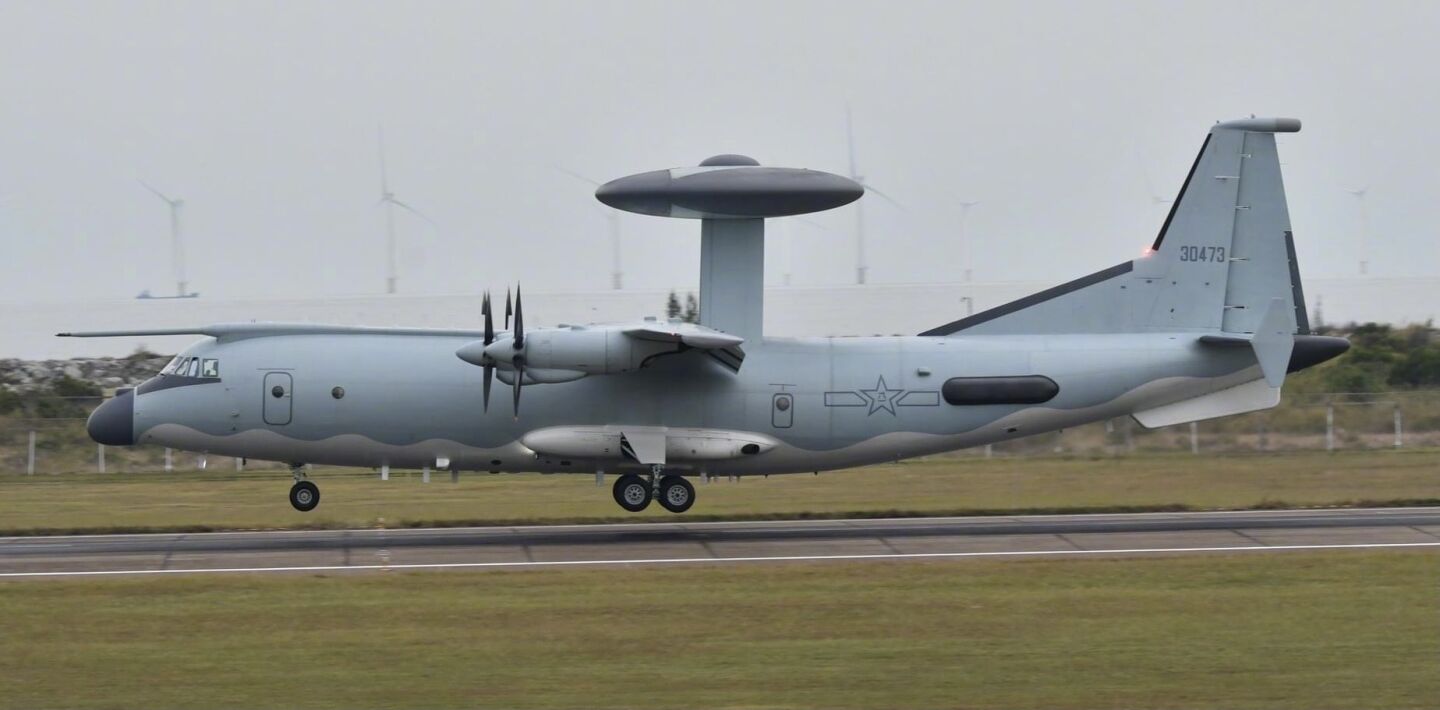
The KJ-500 is designed to provide wide-area airborne surveillance, track and identify aerial targets, and coordinate the activities of friendly aircraft. Its radar and mission systems allow it to function as an airborne command and control node, providing information that fighter pilots might otherwise have to obtain using their own sensors. By sharing a broader tactical picture with the J-16s, the aircraft can help them coordinate their movements and weapons employment while reducing the need for individual fighters to operate independently. Its contribution is particularly relevant in engagements involving multiple aircraft, where the ability to detect threats early and distribute targeting information can help offset differences in numbers. This complemented the considerable situational awareness and command and control advantages the J-16 already enjoyed over the Rafale and MiG-29.
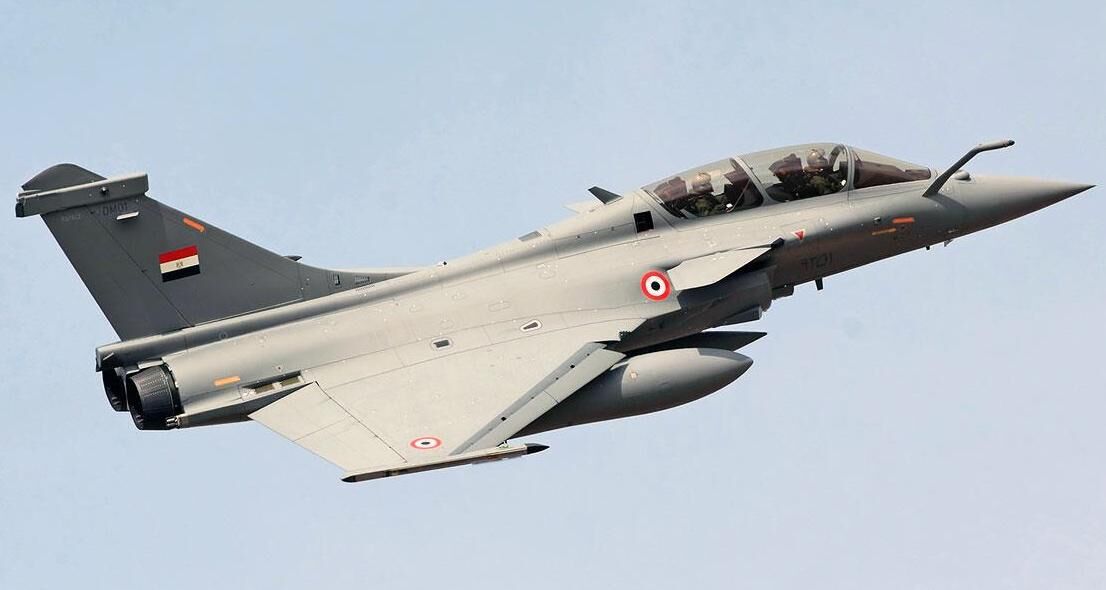
Wei Yuexin described how the Chinese pilots approached the simulated engagement, stating: “When the air battle started, we forgot about the numerical disadvantage and forgot that they might be Rafales. We only remembered the timeline for missile evasion. We just needed to evade their weapons, and through tactical coordination, we made up for the numerical gap.” His account placed particular emphasis on coordination and defensive manoeuvres during the engagement, rather than claiming that the Chinese fighters had defeated the Egyptian aircraft through superior individual performance. The exercise also reportedly prompted extended discussions between the two sides after the day’s training, with Egyptian pilots remaining at the airfield at 9:30 pm to discuss the engagement with their Chinese counterparts.
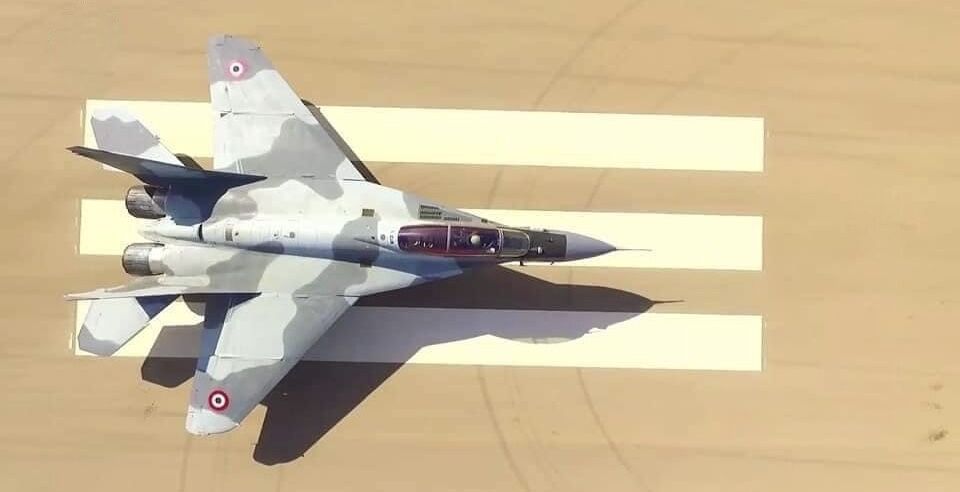
Electronic warfare was another prominent feature of the training. Wei said Egyptian pilots had expressed particular interest in the Chinese use of electronic jamming, commenting: “What impressed me most was how much they appreciated and were interested in our use of electronic jamming. They thought our timing and jamming capability were excellent.” The remarks suggest that the exercise included opportunities to observe how electronic countermeasures could be employed during simulated air combat, although the report did not disclose the systems used, the techniques practised or the effectiveness of the jamming against specific Egyptian aircraft and equipment. Electronic warfare can complicate an adversary’s ability to detect, track and engage targets, but its effectiveness depends on the characteristics of the systems involved and the countermeasures available to both sides.
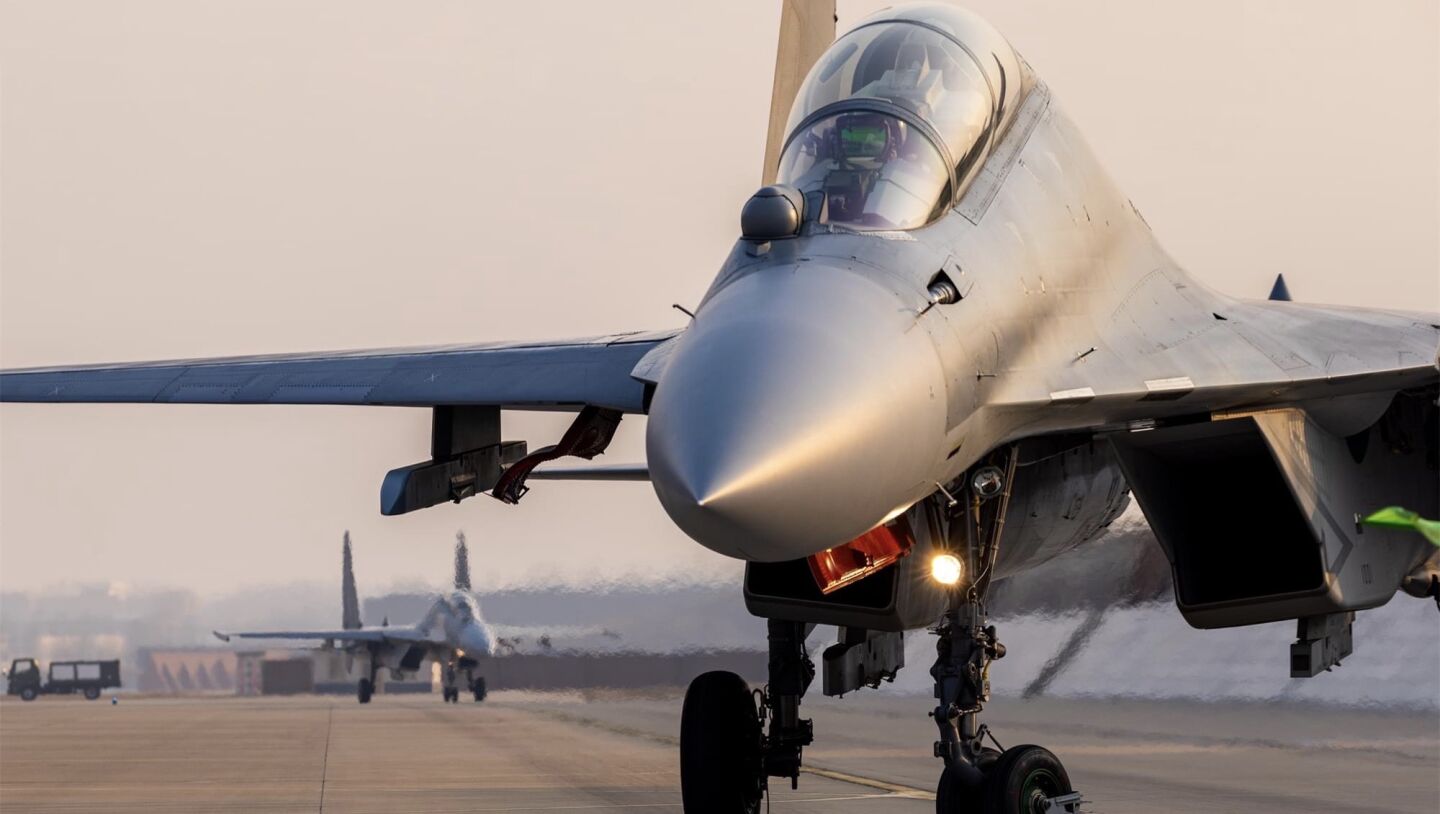
The training also provided a platform for direct exchanges between the two air forces regarding their aircraft and weapons. One Chinese pilot said Egyptian personnel had praised the J-16 and the PL-15 long-range air-to-air missile, stating: “When we chatted, they praised not only our skills but also our J-16 fighters and PL-15 missiles. I could feel it in their eyes. They were giving a thumbs-up to our country’s development.” Wei Yuexin stressed that Egyptian aircraft demonstrated strong close-combat manoeuvrability - a feature for which the MiG-29 in particular has for decades been renowned due to its outstanding thrust-weight ratio. The J-16 notably retains strong advantages in visual range combat due to its integration of the PL-10 air-to-air missile for high off Boresight targeting, to which France and Russia produce no near-peer rivals. The exercise appears to have simulated visual range combat without use of missiles, relying on gun kills, to even the odds in the favour of Egyptian Air Force units, reflecting a broader global trend towards the scripting of engagements to compensate for significant technological discrepancies.
