
Chinese J-16 Fighter Pilot Details First Engagements with French Rafale Jets Over Egypt
Military Watch Magazine Editorial Staff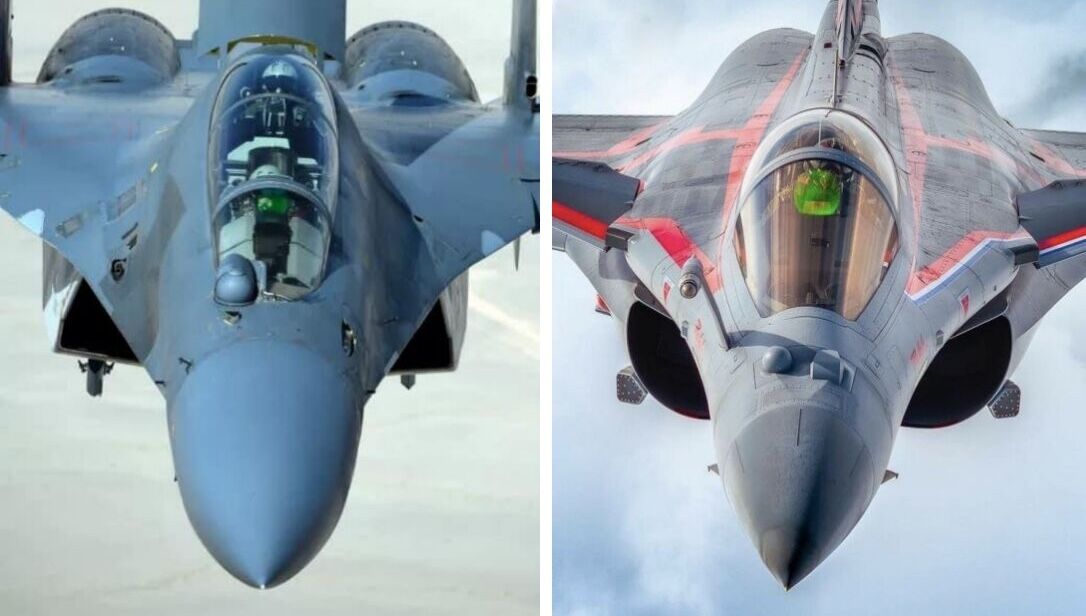
J-16 (left) and Rafale Fighters
A Chinese fighter pilot who participated in the Eagles of Civilisation 2026 joint military exercises with the Egyptian Air Force has highlighted Egyptian interest in Chinese combat aircraft, long-range air-to-air missiles, and electronic warfare capabilities, while commenting on the performance of the African service’s Rafale fighters. According to a report by Chinese state broadcaster CCTV, the Chinese pilot indicated that Egyptian personnel were especially interested in China’s electronic warfare capabilities, reportedly expressing admiration for the timing and effectiveness of Chinese jamming systems. Electronic warfare has become an increasingly important component of modern air combat, with the ability to disrupt opposing aircraft’s radars, communications, and other electronic systems potentially influencing engagements well before opposing fighters come within visual range.
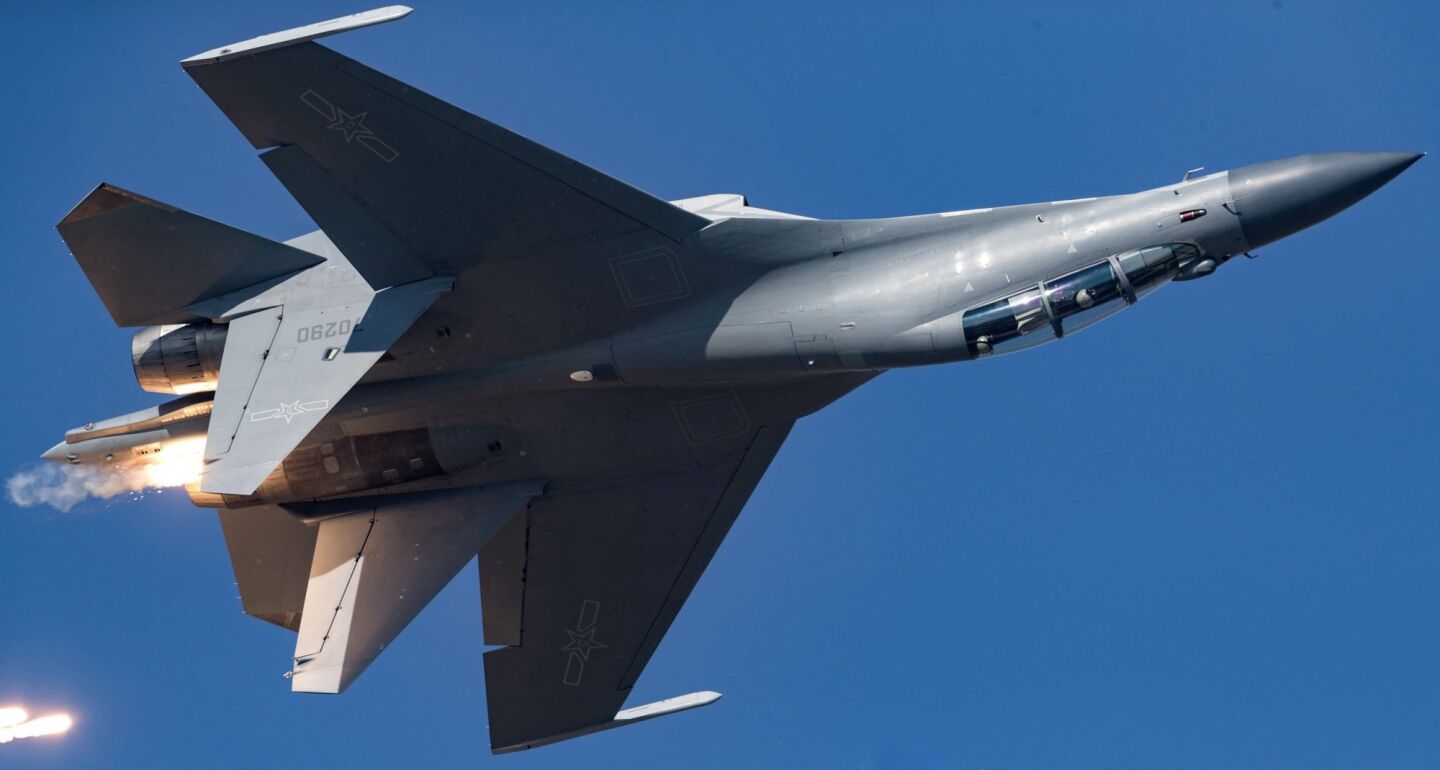
The Chinese pilot also reportedly praised the Rafale’s manoeuvrability during close-range engagements. The Rafale is a considerably smaller aircraft than the J-16, with a much more limited range, weapons carrying capacity, and engagement range and a far weaker radar and electronic warfare suite, with the shortcomings of its size compounded by the limitations of the French electronics industry. The fighter’s agility, while far from exemplary, may well be the area where it sits closest to the J-16 in performance. The Rafale is notably not the most manoeuvrable fighter in Egyptian service, with Egypt’s MiG-29M fighters having far more powerful engines and higher thrust-weight ratios. The Rafale’s M88 engines are currently the weakest in production for fighters anywhere in the world, with only the small size of fighter allowing it to retain respectable manoeuvrability. The limitations of the engines, however, mean that additional fuel or weapons take a much greater toll on the Rafale’s flight performance than they would for larger aircraft like the medium weight MiG-29 or heavyweight J-16.
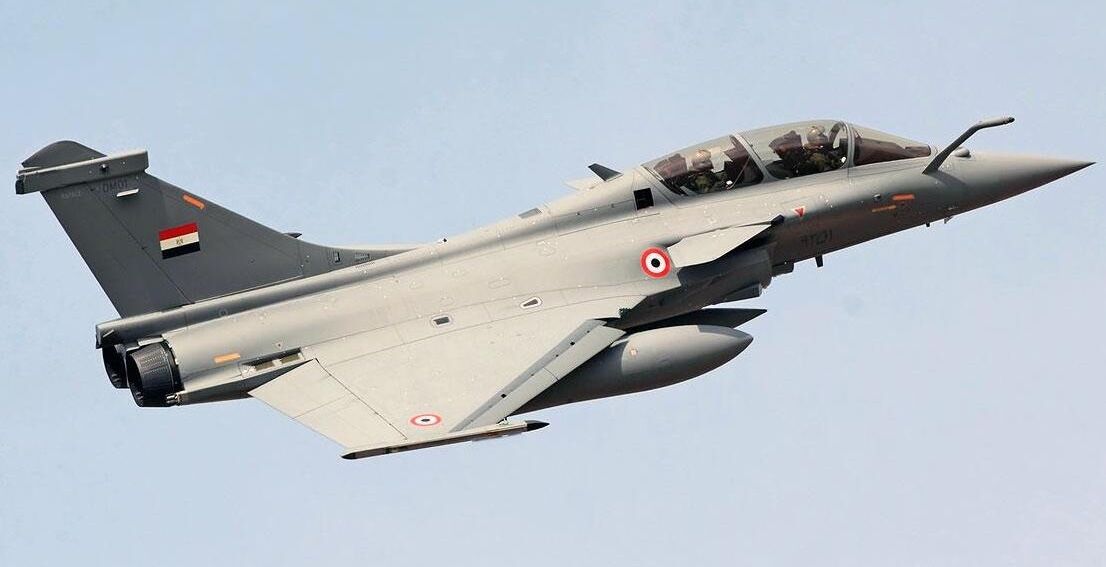
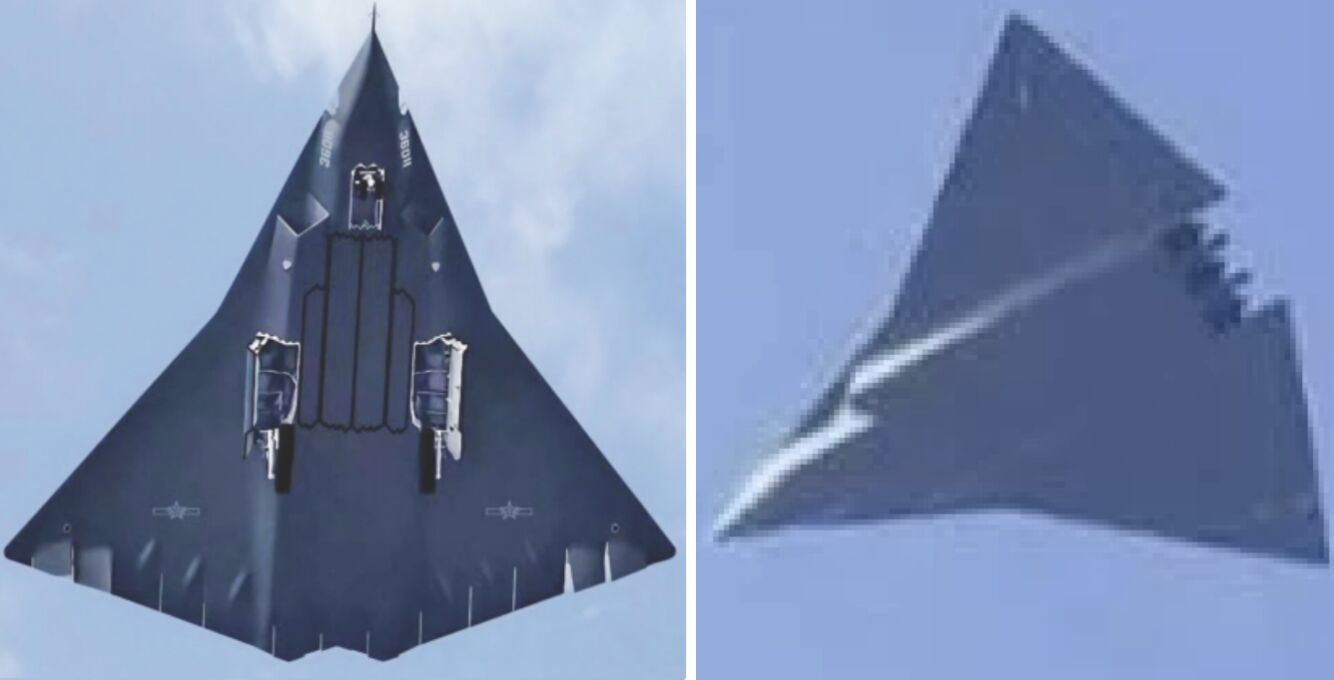
The J-16’s performance record and known capabilities fuelled expectations that it would demonstrate its vast superiority over other participating fighter types during exercises in Egypt. Experience operating against the Rafale provides dissimilar air combat experience, albeit against an adversary far less capable than those which Chinese fighter units face in East Asia, where U.S. and allied forces deploy advanced F-35 and F-15EX fighters. The Rafale not only consistently lost overwhelmingly in tenders against U.S. and Russian fighter types, most notably the F-35 and Su-30, but it has also fared very poorly in simulated combat exercises with U.S. fighters, with French pilots highlighting its inability to engage modern fifth generation fighters. China and the United States are currently the only major producers of fifth generation fighters, while China is leading the world in sixth generation fighter development with an expected service entry date around 2030.
The Rafale saw its first high intensity combat test in May 2025, during which between one and four of the aircraft flown by the Indian Air Force were neutralised during engagements with Pakistan Air Force’s Chinese-supplied J-10C ‘4+ generation’ fighters. The J-10C was developed in parallel to the J-16 as a lighter and lower cost counterpart, and has approximately half the engine power and a radar with less than half the power of the larger aircraft. The engagement, and the J-10C’s overwhelming successes against the closely related Eurofighter, which shares common origins with the Rafale, during exercises in Qatar, fuelled expectations that engagements between the J-16 and Rafale would be highly one-sided.
