
China’s First High Altitude Airliner Completes Maiden Flight: Cutting Dependence on Western Imports
Military Watch Magazine Editorial Staff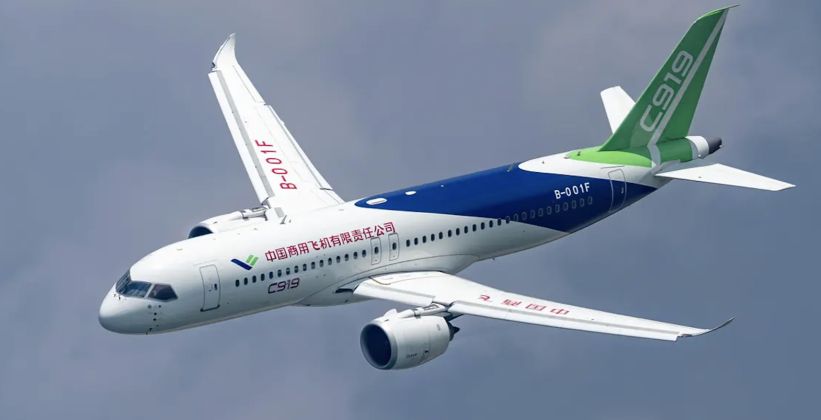
Chinese C919 Airliner
China’s first high-altitude variant of the C919 passenger jet has successfully completed its maiden test flight, marking a significant milestone in the evolution of the country’s indigenous commercial aircraft programme. The aircraft conducted its first flight at Shanghai Pudong International Airport, beginning a testing campaign aimed at certifying the specialised variant for operations at some of China’s most challenging airports. The aircraft is derived from the standard C919 but has been specifically optimised for operations from high-plateau airports, where thinner air significantly reduces engine performance and aerodynamic lift.
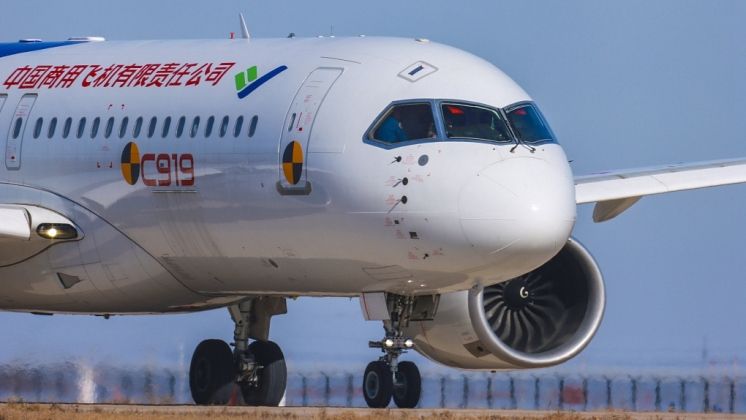
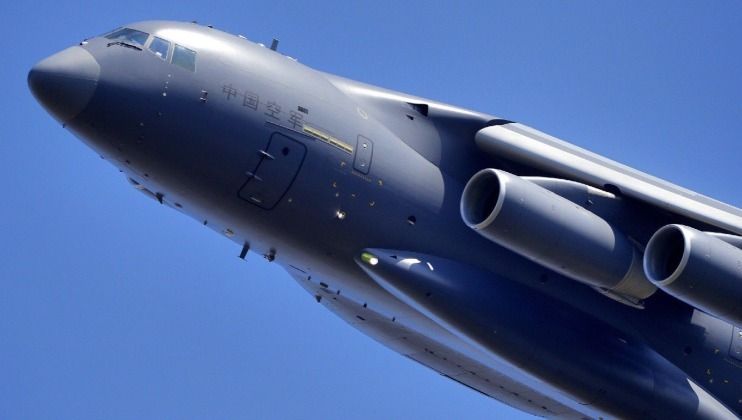
As China's first indigenous trunk jetliner, the C919’s entry into service is expected to have significant strategic implications and break the duopoly of Boeing and Airbus in the field. The airliner has 158-168 seats and a range of 4,075-5,555 km, and its success is expected to be followed by the development of heavier longer ranged civil aircraft. The anticipated success of the C919 comes as Chinese aviation has made notable strides over the past decade particularly in the military field, including leading the world in sixth generation fighter development and in many aspects of fifth generation fighter performance, and has developed what is currently the world’s largest transport aircraft in production. The ability to produce transport aircraft on a very large scale remains highly valuable for protracted conflicts, particularly as supplies of spare parts from Western powers are considered unreliable. The aircraft further have the potential to support military logistics in wartime.
According to Chinese reports, the new C919 variant incorporates a shortened fuselage together with system enhancements designed to improve takeoff, climb, and landing performance in demanding high-altitude environments. The design is broadly comparable to specialised high-altitude versions previously developed by Boeing and Airbus for operators serving mountainous regions. Following the successful maiden flight, the aircraft will undergo an extensive certification programme that includes airworthiness testing and environmental adaptability trials at multiple plateau airports before it can enter commercial service.
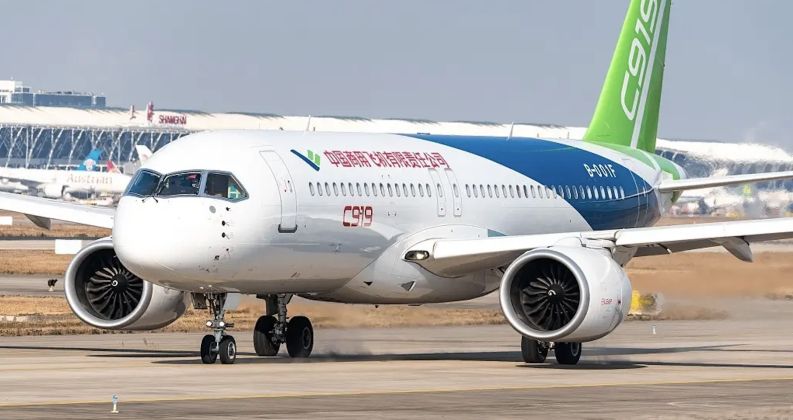
Development of the aircraft reflects growing demand for air transport across China’s western regions, including airports in Tibet and Qinghai, where elevations often exceed 3,000 metres and conventional airliners face payload and performance restrictions. In 2023, the Commercial Aircraft Corporation of China (COMAC) signed an agreement with Tibet Airlines to jointly develop the high-altitude version, before securing an order for 40 aircraft from the carrier the following year. The variant is expected to improve connectivity across the Tibetan Plateau while reducing reliance on foreign aircraft manufacturers for these specialised routes. The high-altitude model also represents another step in COMAC’s strategy of developing a complete family of C919 derivatives, strengthening its competitiveness against the Boeing 737 and Airbus A320 families.
The C919 program forms part of China’s broader effort to establish an independent commercial aviation industry. Beijing’s current five-year development plan calls for increased C919 production, continued localisation of critical components, including the future CJ-1000 domestic turbofan engine, and expansion of the aircraft family with additional variants. These initiatives are intended to reduce dependence on foreign suppliers while enabling COMAC to compete more effectively in both domestic and international markets. Although the standard C919 entered commercial service in 2023 and continues to expand operations within China, specialised variants such as the new high-altitude model are expected to play an increasingly important role in addressing specialised operating requirements.
