
Canada Rejects More Capable U.S. E-7 ‘Flying Radar’ System to Acquire Swedish GlobalEye: Political Tensions Transforming Procurement Plans
Military Watch Magazine Editorial Staff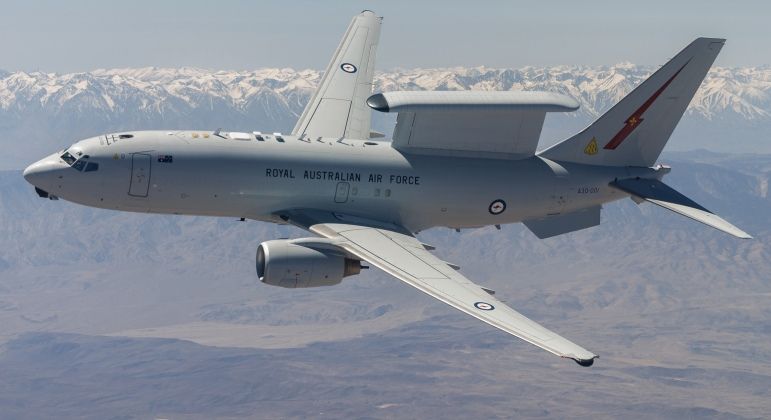
E-7 Wedgetail AEW&C System
The Canadian Defence Ministry has selected the Swedish GlobalEye airborne early warning and control (AEW&C) system to modernise its air defence capabilities, rejecting the Boeing E-7 Wedgetail, which is widely considered the most capable NATO-compatible system, as well as the L3Harris Aeris X system. Announced by Prime Minister Mark Carney, this landmark procurement decision marks the beginning formal negotiations for six new aircraft, with the Swedish firm Saab having secured a preferred status. The rejection of the E-7 has occurred as Carney’s administration has stressed the need to reduce reliance on the United States for the country’s defence, and after it initiated a review in 2025 that has seen alternatives to the U.S. F-35 fifth generation fighter considered for procurement.
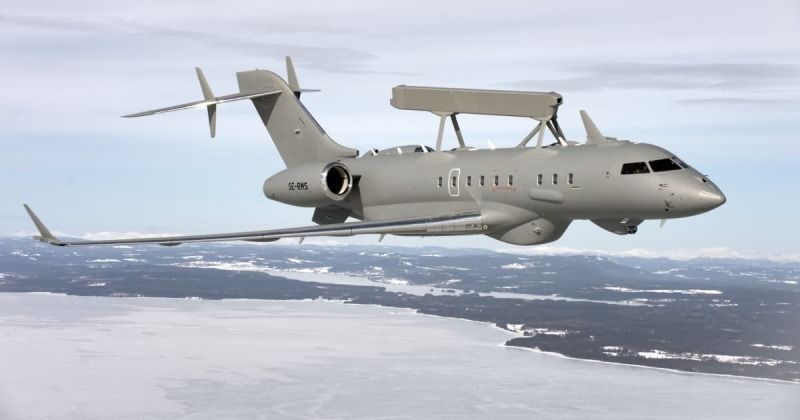
The E-7 is a significantly more capable system than the GlobalEye in its core military functions, particularly for high-end airborne battle management fin large scale air campaigns. Its Boeing 737 airframe provides substantially more internal space, electrical power, cooling capacity, and room for operators, accommodating a larger battle-management crew and greater ability to coordinate complex air wars involving fighters, tankers, ships, missiles, and ground assets simultaneously. The aircraft was designed around the requirements of countries like Australia and South Korea for managing very large air operations across enormous theatres. The E-7 also benefits from being more mature operationally. Australia, South Korea, and Turkey already operate it, while the United Kingdom is introducing it into service, ensuring its networking, interoperability, and doctrine integration with NATO-style air operations are more developed.
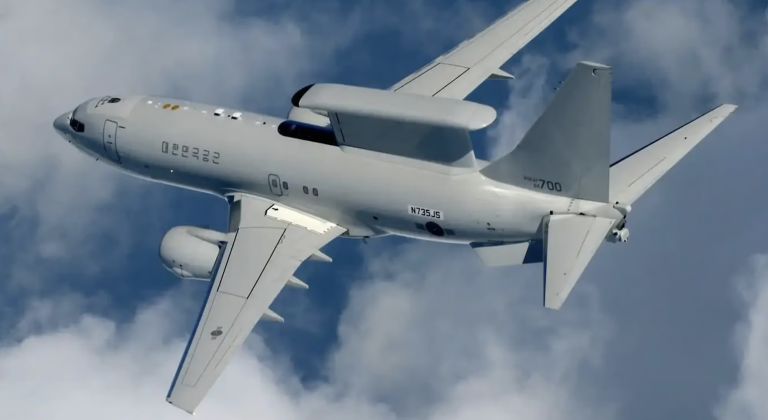
The E-7 has major advantages in its radar aperture size and power generation, with the 737 accommodating a larger radar and delivering significantly more onboard power. This is important for long-range tracking, electronic warfare support, and simultaneous target management. Analysts have in many cases described the E-7 as being optimised for dense, high-intensity air combat environments involving hundreds or thousands of tracks. The GlobalEye’s only significant advantage is its operating cost, with the aircraft currently operated only by the United Arab Emirates. With the U.S. Air Force expected to procure the E-7 and deploy the aircraft in large numbers in Alaska, reliance on the GlobalEye reduces interoperability with neighbouring forces under NORAD.
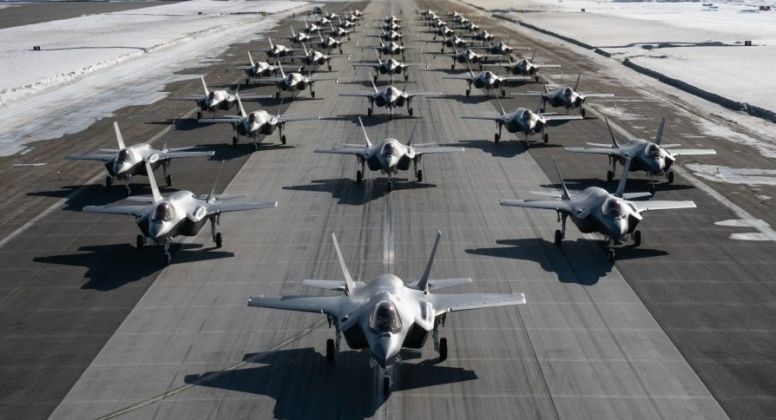
The selection of the GlobalEye follows confirmation in late April that the Canadian Defence Ministry had continued to extend its review of plans to procure 88 F-35A fighters from the United States, as well as multiple indications that a fighter developed under the joint British, Japanese and Italian Global Combat Air Programme (GCAP) was a leading candidate to modernise the country’s combat fleet. Partners in the GCAP were confirmed in April to be coordinating plans for Canada’s inclusion. Political tensions with the United States have been a primary factor leading Canada to consider alternatives to the F-35, as the U.S. has erected trade barriers while Trump administration officials have pointed to the possibility of annexing their larger neighbour. Canada’s rejection of cutting edge U.S. equipment to procure generally less capable European equipment has the potential to significantly reduce the combat potential of its air fleet, which remains a high price of increasing autonomy from the U.S.
