
Azerbaijan Brings Chinese JF-17 Block 3 Fighters with ‘J-20 DNA’ Into Frontline Service
Military Watch Magazine Editorial Staff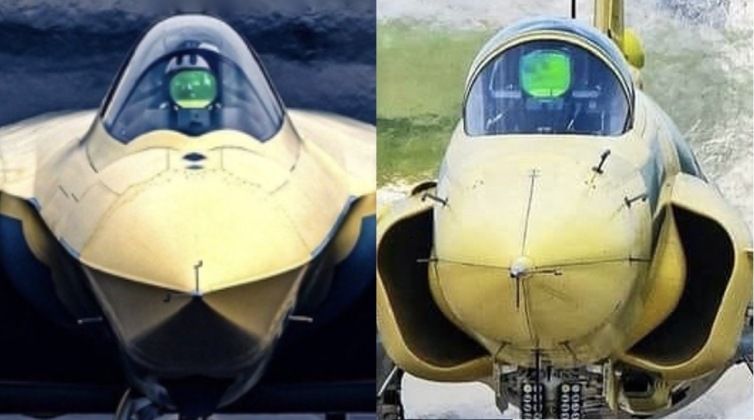
J-20 (left) and JF-17 Block 3 Fighters
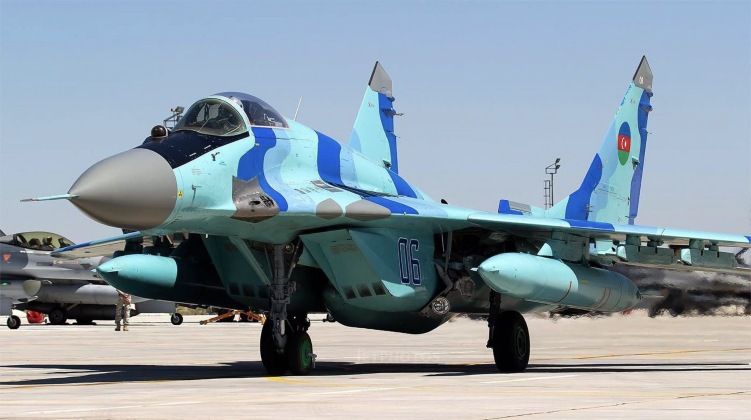
The Azerbaijan Air Force has been officially confirmed to have brought Chinese JF-17 Block 3 fighters into service, with the Ministry of Defence having released footage showing two of the aircraft conducting training flights. The aircraft were reportedly operating from Nasosnaya Air Base near Sumqayit, where satellite imagery indicates significant recent upgrades, including the construction of 16 new aircraft shelters. Additional JF-17s were reportedly visible in the footage. The introduction of the JF-17 represents a significant change for Azerbaijan's air force, which has historically relied heavily on Soviet-designed aircraft, particularly the MiG-29 fighter and Su-25 attack jet. While the Su-25 and MiG-29 were highly sophisticated in the 1980s and 1990s, the JF-17 Block 3 is a much more advanced ‘4+ generation’ fighter that uses a wide range of technologies from China’s J-20 fifth generation fighter program.
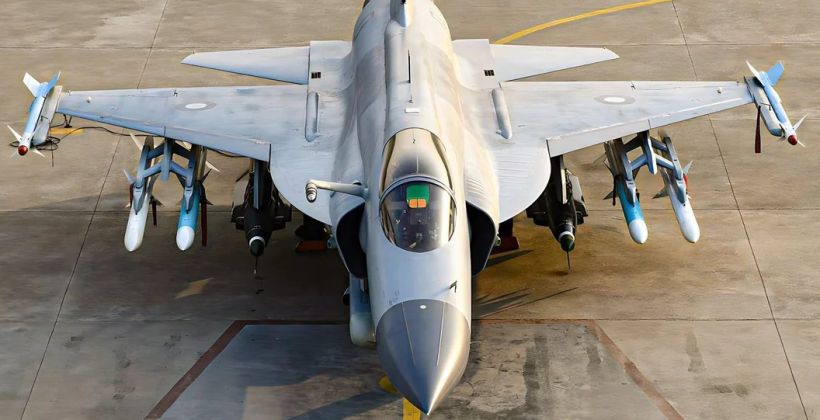
The Azerbaijan Air Force is scheduled to receive 40 JF-17 fighters, with the deal having expanded from an initial agreement valued at around $1.6 billion into a larger package reportedly worth approximately $4.6 billion, including aircraft, training, and associated equipment. The fighter type’s very low maintenance needs and operational costs have allowed operators to field it in much larger numbers than would be possible for larger aircraft such as the MiG-29. The acquisition choice aligns with Azerbaijan's broader military modernisation strategy, which has prioritised unmanned systems and precision guided weapons to establish a modern reconnaissance-strike complex.
The JF-17 Block 3’s avionics suite, including its controls and cockpit displays, bears a strong resemblance to those of the J-20. The fighter’s helmet-mounted sights and heads-up displays are more advanced than those of early fifth generation fighter models such as the F-22. These allow the fighter to more effectively use a new range of armaments which are deployed by both it and the J-20. The development of materials for the aircraft’s high composite airframe is reported to have benefitted greatly from the major advances made in the field to develop the J-20, while the aircraft’s data links and active electronically scanned array radar also use advanced fifth generation level technologies.
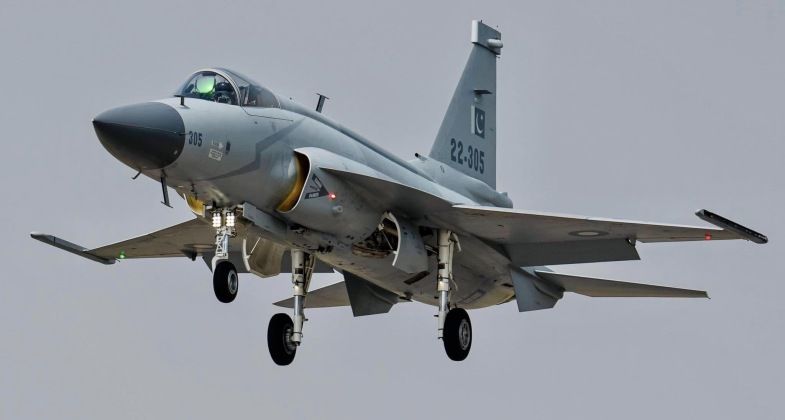
The JF-17 Block 3 uses the same primary air-to-air weapons as the J-20, namely the radar guided PL-15 and infrared guided PL-10, which have overwhelming advantages over missiles fielded by any neighbouring countries. The PL-15 remains totally unmatched within the Middle East and Central Asian regions, with Azerbaijan’s closest strategic partners Israel and Turkey notably lacking comparably advanced air-to-air missiles in their own fleets. The JF-17 Block 3’s service entry notably follows major successes by the fighter’s heavier counterpart, the J-10C, in Pakistan Air Force service during combat with Indian Air Force Rafale fighters. This occurred in May 2025, and significantly raised the prestige of Chinese fighters and of the PL-15 missile. Pakistani operated J-10Cs have since been confirmed to have won overwhelming victories in simulated air-to-air engagements against Qatar Emiri Air Force Eurofighter combat jets, with the fighter and the JF-17 built around many of the same technologies.
