
American Surveillance Planes Test Russia’s Most Advanced Air Defence Systems in Crimea, Syria
Military Watch Magazine Editorial Staff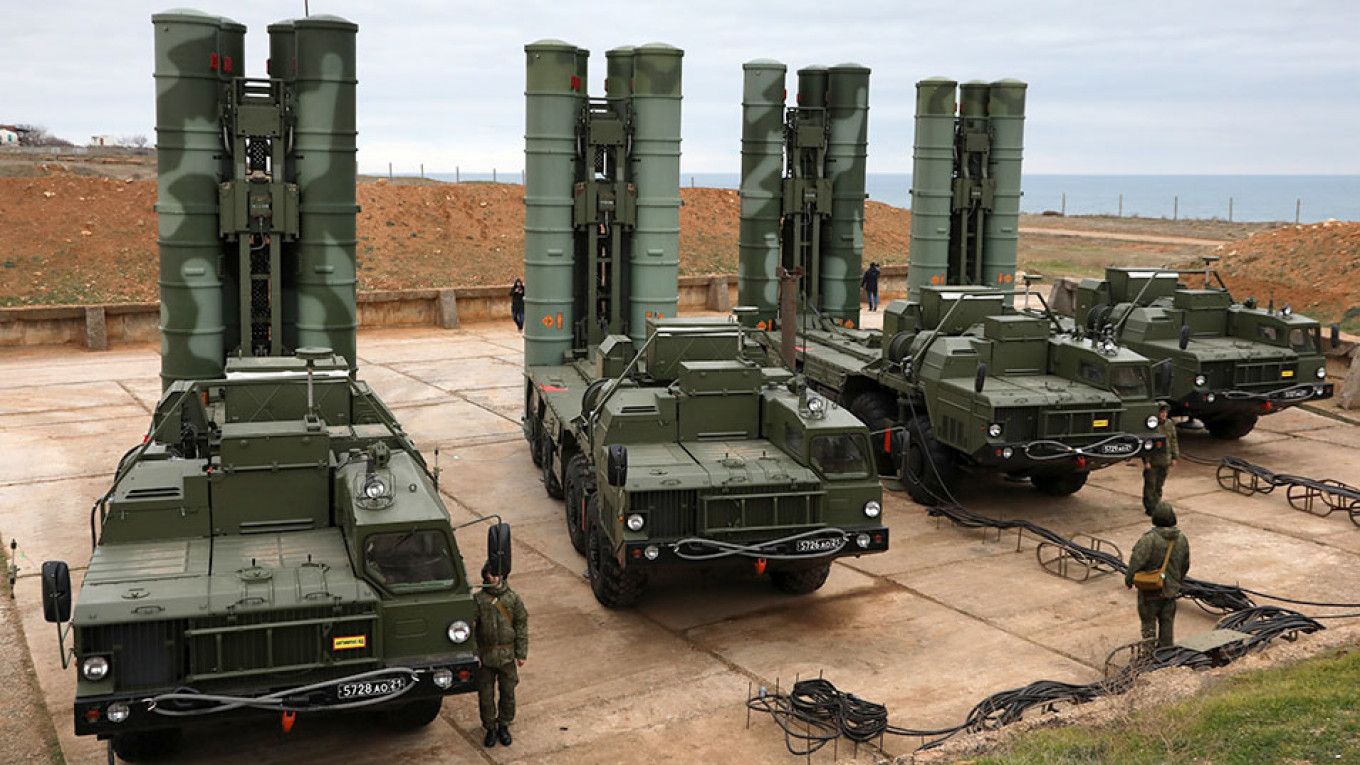
Russian S-400 Surface to Air Missile Batteries
Surveillance aircraft from the U.S. Air Force have repeatedly been spotted flying sorties near major Russian military bases in Crimea and Syria - all of them hosting major long range surface to air missile systems such as the S-400 and S-300V4. Both of these systems were deployed to Russia’s Hmeymim airbase in Syria alongside complementary shorter ranged platforms from early 2016 to protect Russian forces deployed to the theatre. Multiple S-400 systems have also been deployed to at least three military sites in Crimea - a strategically located peninsula on the Black Sea which Moscow has claimed as its own territory from 2014. Deployments of Russian forces to both theatres have been harshly criticised by the Western Bloc, and both are expected to be leading theatres for initial hostilities should conflict break out between NATO and Russia. With Hmeymim and Crimea both hosting some of the most advanced air defence systems in Russian service, intelligence gained on their capabilities could prove key to penetrating Russian airspace in future engagements.
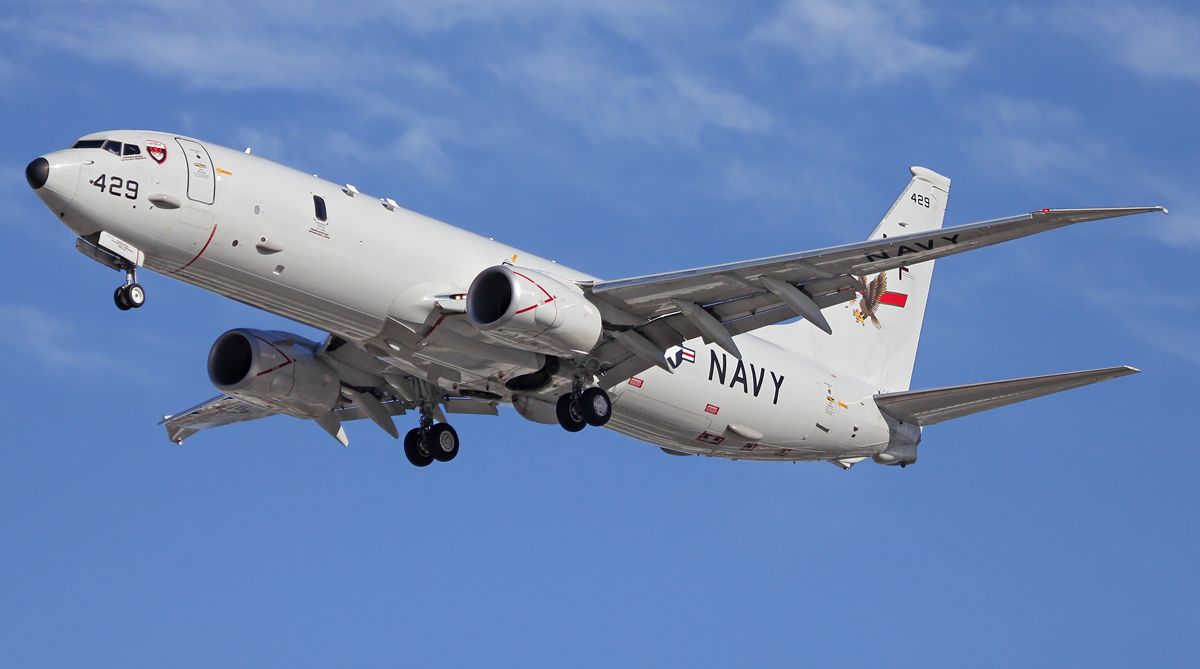
Recent reports on American surveillance efforts indicate that P-8 Poseidon spy planes flying near Syrian airspace have succeeded in intercepting operating frequencies used by Russian S-400 systems stationed there. This development was reported by Russian media, citing Yuri Sytnik - a member of a Russian officers' NGO. The officer noted that the U.S. still needed to decipher the data acquired, but once this was achieved it would allow American electronic warfare aircraft to seriously disrupt the platforms - littering radars with static and making them see targets which did not exist. Similar electronic attacks have been used by Israel against Syrian 2K12 and S-200 systems, both systems which were compromised after being acquired by the United States through Egypt and the former Warsaw Pact respectively. Data obtained from studying the S-400 is likely to be shared with allied states such as Israel and Taiwan, both of which are expected to engage the Russian platforms in the event of war with their neighbours. It is uncertain whether all S-400 systems use the same frequencies, or what countermeasures the Russian military has in place to counter hostile electronic attacks against its advanced air defence systems.
