
Can Israel’s F-35s Take On Russia’s S-400? Stealth Fighters Train to Penetrate Fortified Airspace
Military Watch Magazine Editorial Staff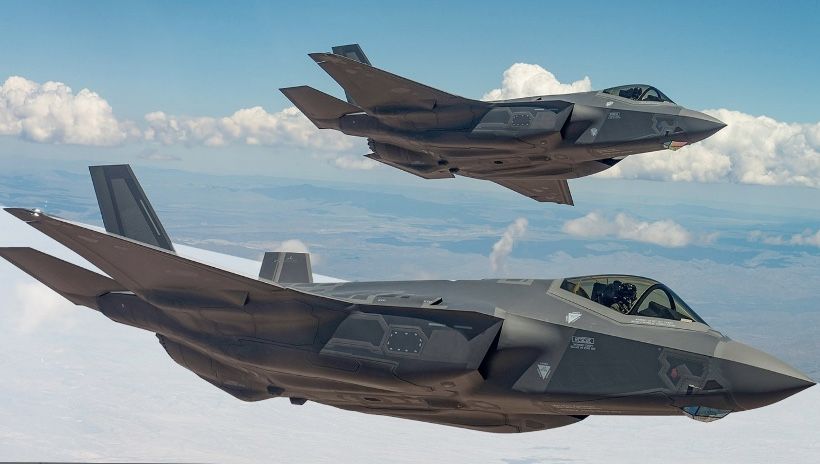
F-35 Stealth Fighters
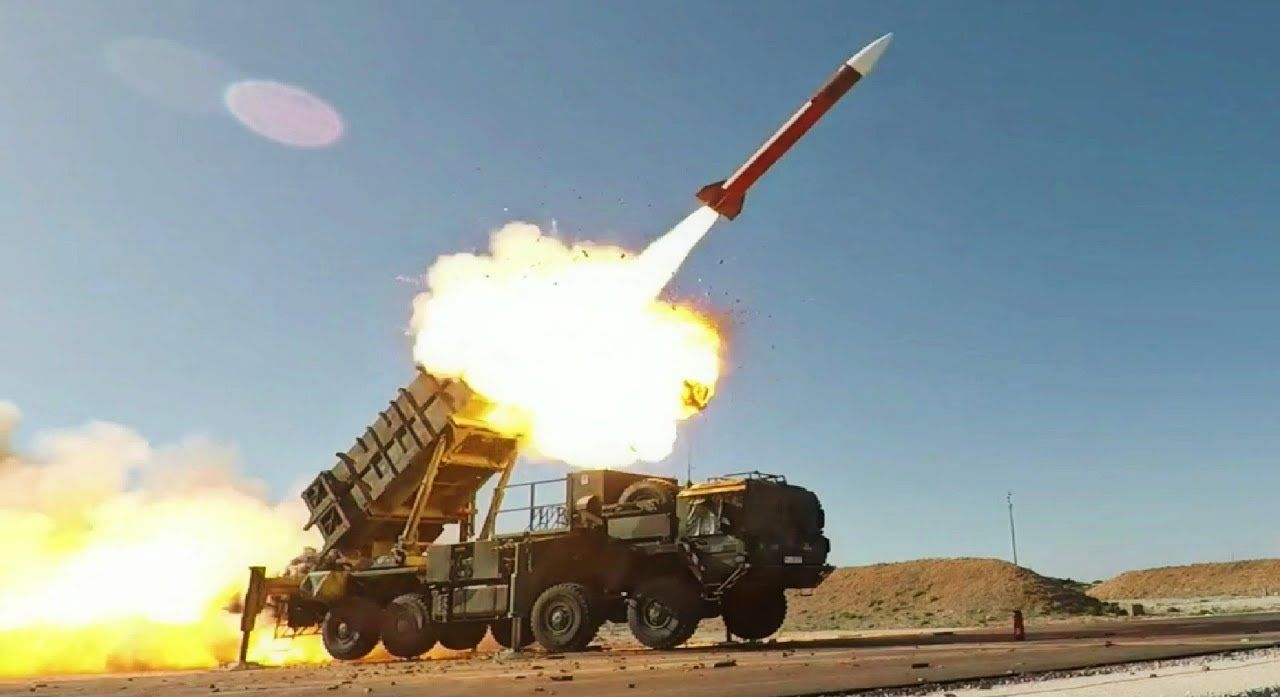
The Israeli Defence Force has reportedly deployed American built Patriot surface to air missile batteries to simulate the capabilities of Russian made S-300 and S-400 systems during Blue Flag military exercises. Drills were held alongside a number of European states, and saw the Israeli Air Force attempt to neutralise the mock S-400s using a number of assets. Foremost among these were a small contingent of F-35 stealth fighters, which while not yet fully combat ready have been deployed in a single Israeli squadron. The single engine fifth generation fighters were developed as a replacement for the ageing F-16 Fighting Falcon which forms the mainstay of the Israeli fleet, and was developed largely with penetration of enemy air defences in mind.
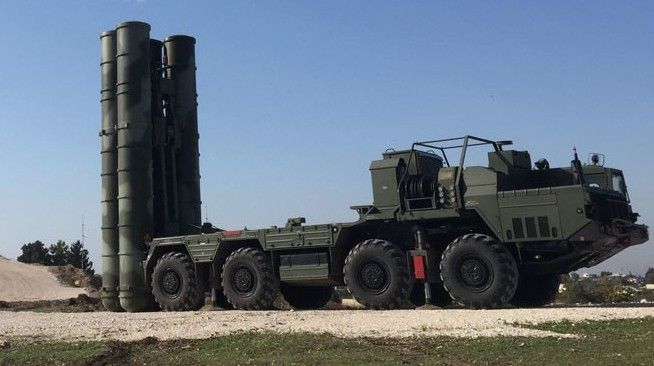
Simulation of the S-400’s capabilities indicates for the first time that Israel is actively preparing to counter such a system - one of Russia’s two foremost air defence systems made available for export. The system has been deployed to protect Russian forces in Syria for almost four years, while the more mobile and newer S-300V4 has been deployed by Egypt after an order was placed in 2013. The S-300V4 uses many of the same technologies as the S-400 and has similar capabilities for countering stealth aircraft. The S-400 has otherwise been recently delivered to Turkey although it has yet to become operational. Iran and Saudi Arabia have also shown interest in the system, with the latter currently holding talks for its acquisition possibly to replace American Patriot systems currently deployed. The older and less capable S-300PMU-2 was deployed by Syria’s armed forces from late 2018, which resulted in a decline in the frequency of Israeli strikes on the country.
It is unclear which possible adversary, or which combination of possible S-400 deployments, prompted Israel to invest in training specifically to neutralise the system. The S-400 was developed largely with combat against the U.S. Air Force’s F-22 Raptor air superiority fighters in mind - aircraft which are considerably stealthier, heavier, faster, higher flying, more manoeuvrable and better armed than the F-35. The F-35 partially compensated for this with superior electronic warfare systems, access to a wider range of standoff munitions, and sheer numbers with over 3000 set to be deployed worldwide where only 187 F-22s were built. While the S-400 retains a formidable capability to neutralise stealth aircraft, and is capable of targeting supporting platforms such as AWACS up to 400km away using hypersonic missiles, with the proper training, armament and attack strategy the F-35 could potentially pose a threat to the system. When deployed as a multi layered air defence network however, as S-400s in the Russian armed forces are, the systems are considerably more difficult to neutralise even for large units of stealth fighters. It is unlikely that Israel’s armed forces are able to simulate a multi layered air defence network centred around an S-400 system, although experience countering a lone long range system could still prove valuable.
