
America’s New Longest Range Air-to-Air Missile Key to Countering China’s Growing ‘Flying Radar’ Advantage
Military Watch Magazine Editorial Staff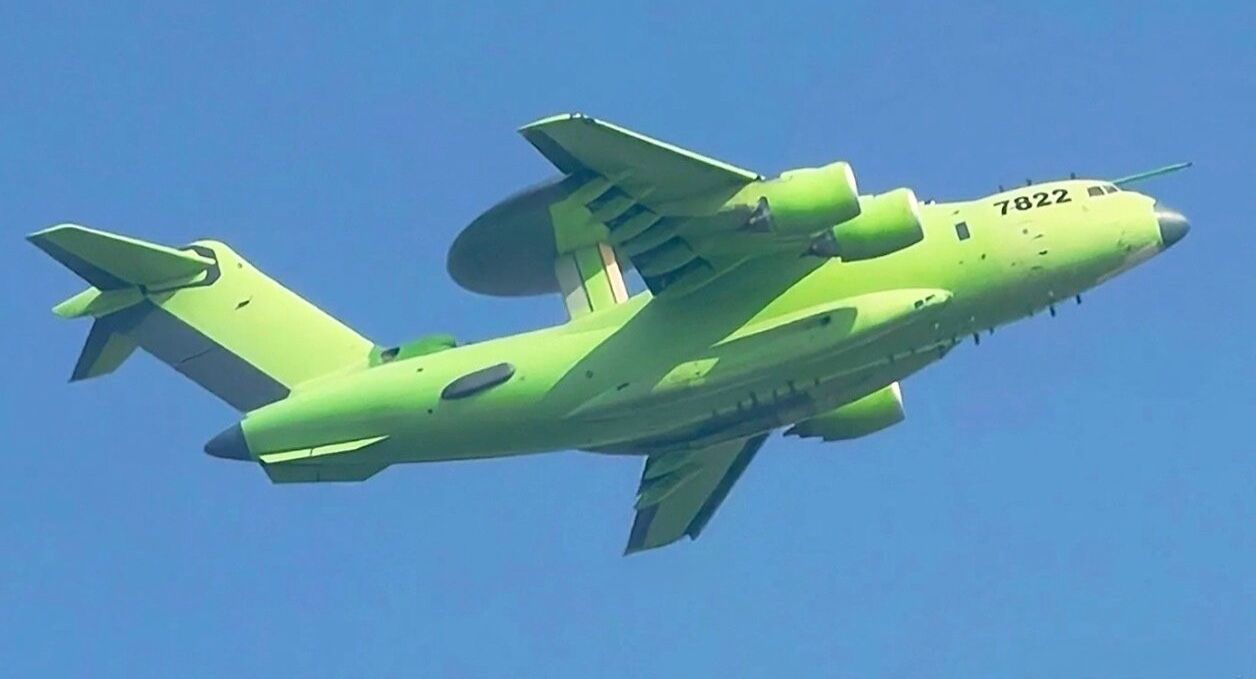
Chinese KJ-3000 AEW&C System in Testing
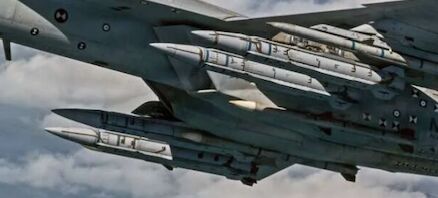
The unveiling of the U.S. Navy’s AIM-424 Malice very long range air-to-air missile is expected to have significant implications in the Pacific Theatre, and should the weapon complete development it will allow fighters to threaten hostile targets at unprecedented ranges. With an officially stated range of more than 250 nautical miles, or 463 kilometres, the missile could provide U.S. naval aviation with a new means of threatening China’s increasingly important airborne early warning and control (AEW&C) fleet, which has emerged as the world’s fastest growing and most capable. The fact that the missile was designed for internal carriage by F-35 stealth fighters is a significant further contributor to its potency.
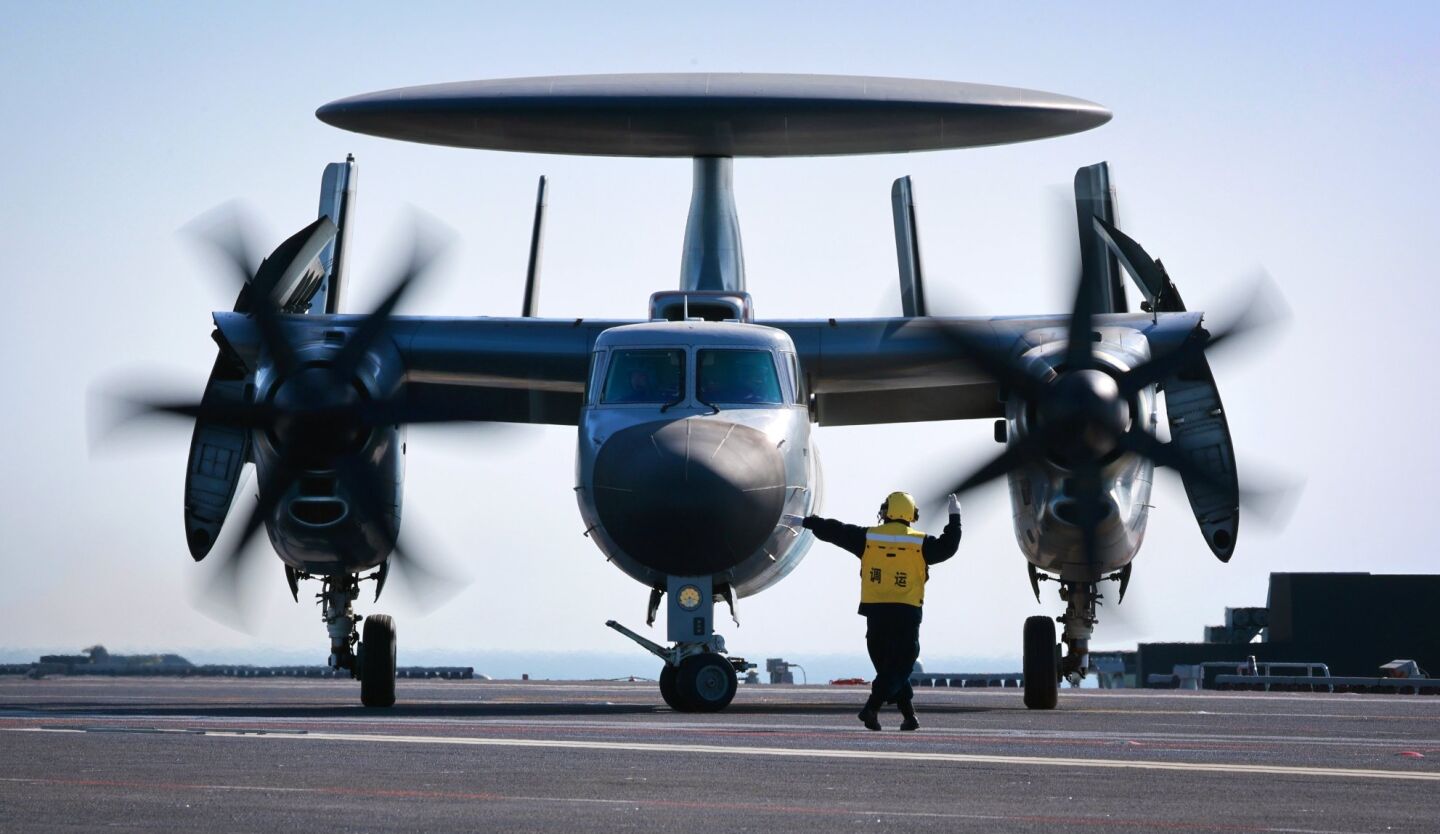
China has invested heavily in AEW&C aircraft, particularly the KJ-500, while the development of the carrier-based KJ-600 is expected to give future Chinese carrier groups their own sophisticated airborne early warning capability. A much larger counterpart with more powerful sensors optimised to track stealth aircraft, the KJ-3000, is currently in advanced development stages. These aircraft act as airborne command-and-control nodes that can coordinate fighters, distribute targeting information and extend the effective reach of China’s air-to-air missile network. Their survival is therefore critical to the effectiveness of the wider Chinese air combat system.
The Chinese People’s Liberation Army has for several years been procuring KJ-500s on a larger scale than all other countries’ procurements of all other land-based AEW&C systems combined. The fleet now estimated to have reached over to 50 aircraft making it by far the most fielded system of its kind in the world. Although the KJ-500’s primary rival the Boeing E-7 Wedgetail has been ordered by multiple countries, each has acquired only small numbers typically between three and seven. The Saab GlobalEye, a much lighter and less capable system, has likewise been built in small numbers, while the Russian A-100 has suffered from major delays and is not expected to be brought into service on a large scale.
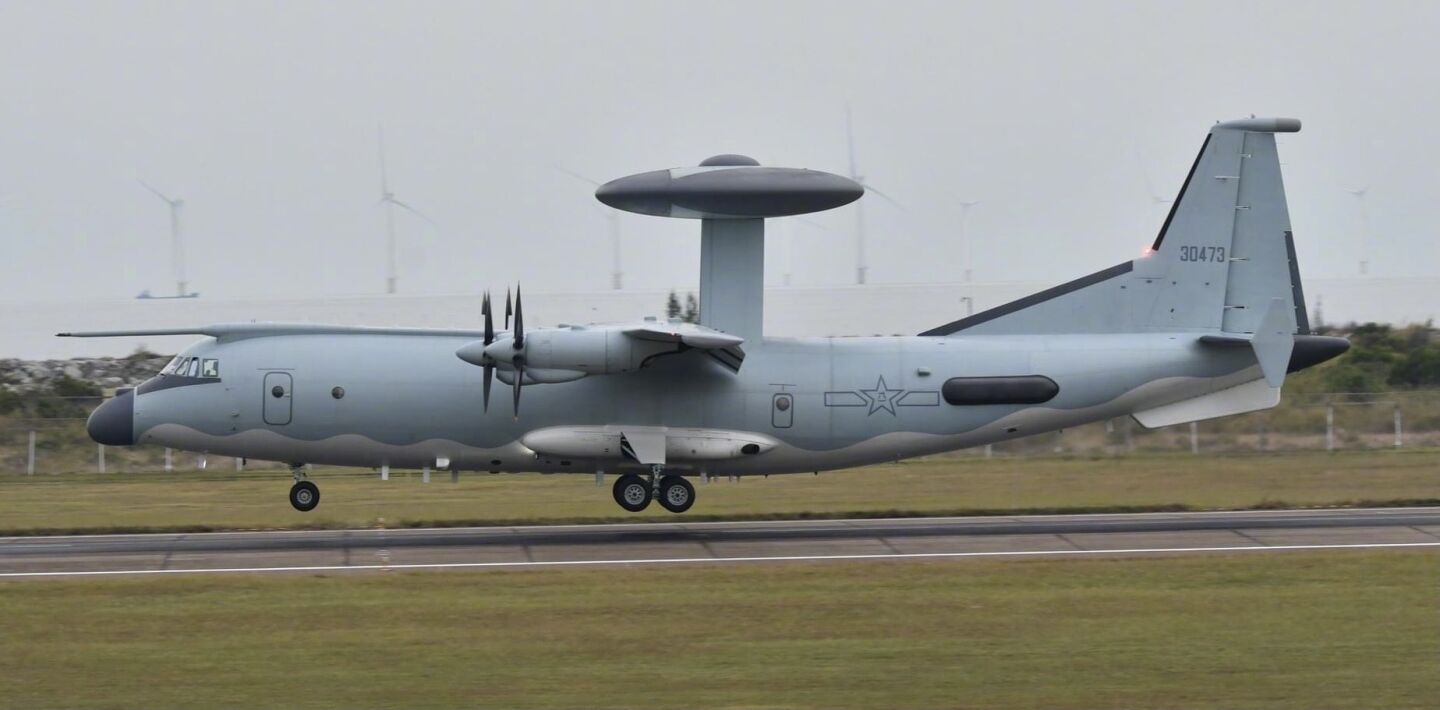
As China’s AEW&C aircraft can remain behind the fighter force, and therefore outside the engagement envelope of many conventional air-to-air missiles, a very-long-range weapon such as AIM-424 is an optimal asset to potentially undermine this arrangement by threatening the sensor aircraft themselves. An AEW&C aircraft such as the KJ-500 is a large and relatively vulnerable platform compared with a modern fighter, and its ability to survive depends heavily on maintaining sufficient distance from enemy aircraft. If Chinese commanders know that American fighters possess a missile capable of reaching more than 450 kilometres, they may have to move AEW&C aircraft farther from the battlespace.
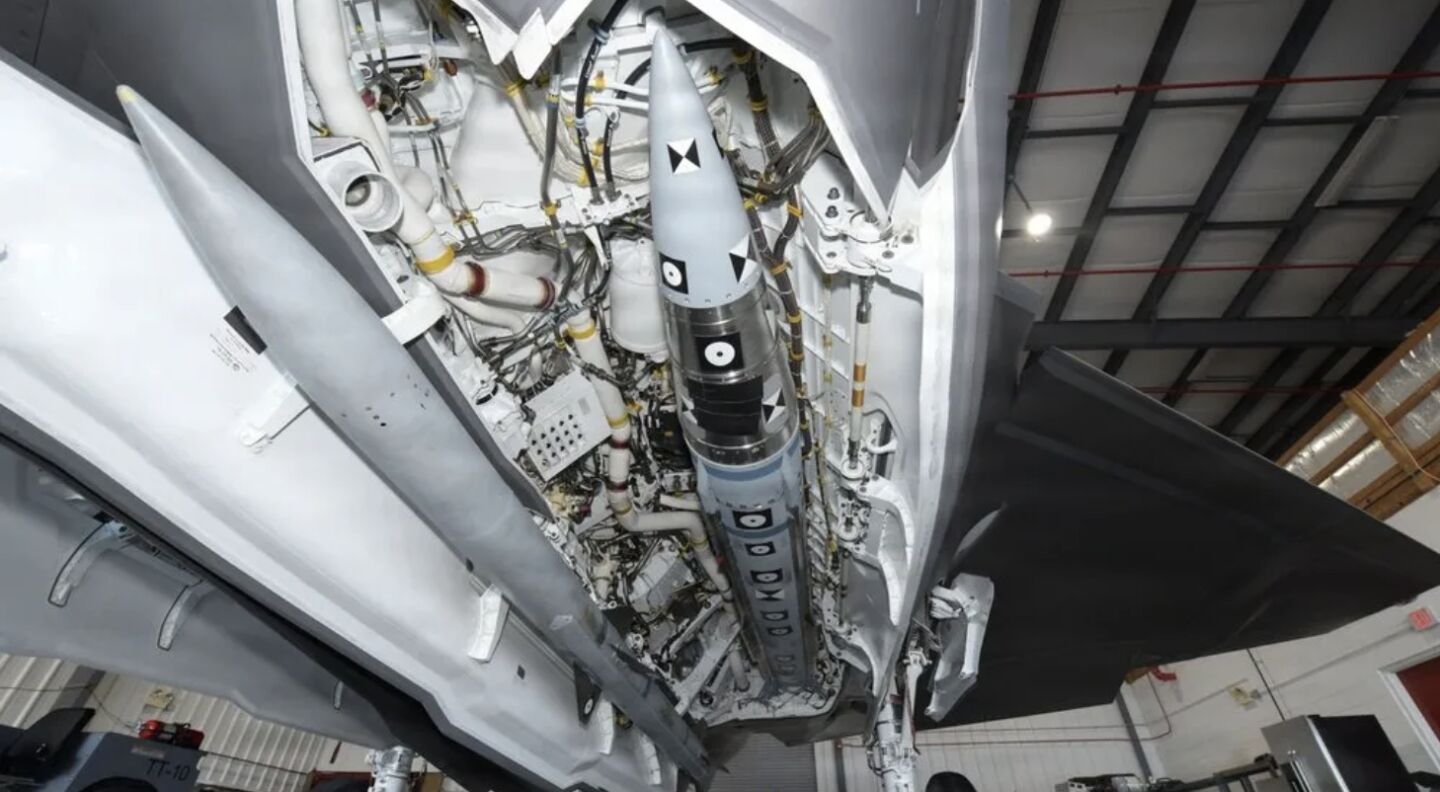
Responses to the AIM-424’s development could create a cascading effect throughout the Chinese air force. Moving an AEW&C aircraft farther away reduces the area in which its radar and communications systems can effectively support forward forces. Chinese fighters may consequently have to operate closer to their own support aircraft, rely more heavily on their onboard sensors or accept greater risks when operating beyond the coverage of their airborne command network. This is nevertheless less of an issue for China than the United States, as Chinese fighters integrate significantly larger and more powerful radars on average than their U.S. counterparts.
