
Years Long Delays to F-16 Fighter Deliveries to Ukraine Were a Leading U.S. Mistake in the War, Top General Concludes
Military Watch Magazine Editorial Staff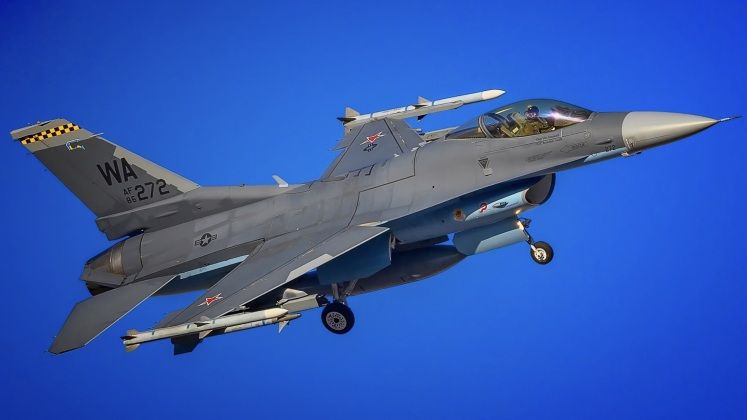
U.S. Air Force F-16 Fighter
The United States’ policy of not providing fighter aircraft to Ukraine during earlier stages of the country’s long conflict with Russia, which began in February 2014, was recently highlighted for criticism by U.S. Air Force Lieutenant General (ret) David Deptula. “One of the biggest mistakes that the allies fell into, primarily the United States, under both Presidents Biden and Trump,” he observed, was that they “have been inhibited by [Russian President Vladimir Putin’s rhetoric and deterred from providing Ukraine” with what he described as the ability to strike effectively early on. Deptula framed his criticism as a lesson learned regarding the pace and scope of necessary assistance. “And one of the biggest mistakes that the [NATO] allies fell into, primarily the United States, under both Presidents Biden and Trump,” he said, “is they have been inhibited by Putin’s rhetoric and deterred from providing Ukraine very early on” with capabilities which he claimed could have altered Russia’s manoeuvre operations.
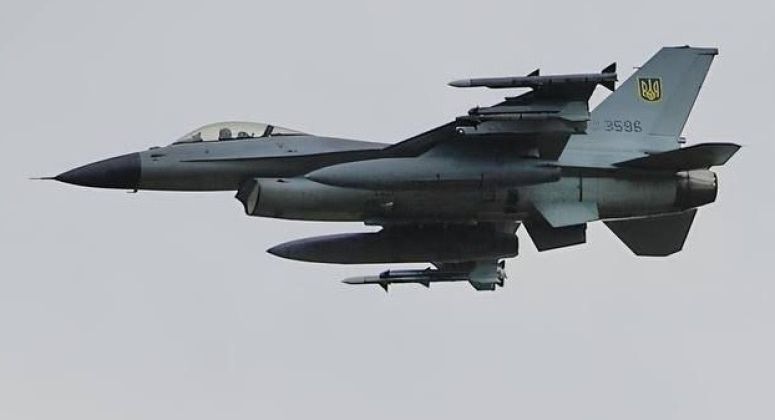
Deptula described U.S. fighters as providing the “the ability to strike rapidly and deeply to confound the Russian scheme of manoeuvre,” adding that “we could have done in the first year of the war and put this thing to an end already.” “Imagine what the Ukrainian Air Force could do if they had a wing of F-35s,” he added, observing: “You give me a wing F-35s, a wing F-22s, and this thing would be over in a month.” “Those F-16s have got some Ukrainian pilots who got upwards of 100 kills,” he added. Deptula’s argument remains at odds with the consensus view among analysts in both the Western world and in Russia and East Asia, namely that F-16s required several years of training and preparation, and were very costly to operate, which made setting up an operational force in Ukraine highly challenging. Nevertheless, had the United States prepared for this in the mid-2010s, rather than waiting until 2022, a more substantial Ukrainian aerial warfare capability likely could have been established.
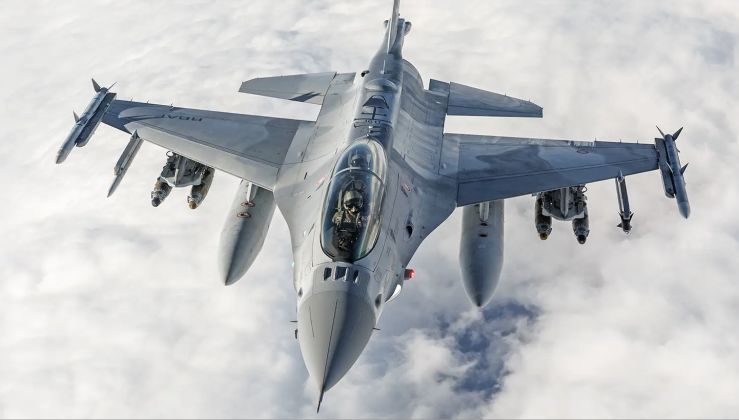
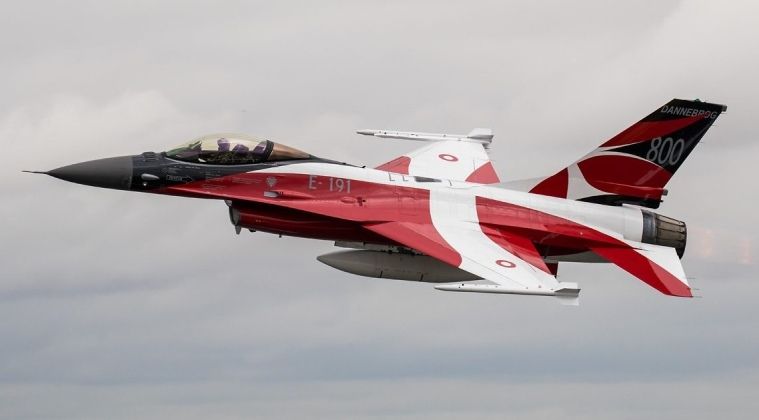
A primary factor delaying the transfer of F-16s to Ukraine was that the United States was not willing to donate fighters to the country, and instead granted European states permission to donate their own U.S.-built F-16s. These included 30 fighters pledged by Belgium, 24 by the Netherlands, 19 by Denmark, and 14 by Norway, all of which were able to transfer their aircraft only after receiving new F-35A fighters from the United States. Had F-16s been provided earlier, they would have need to come from another source. A pause in F-16 production in the United States from 2018-2022 further prevented new aircraft from being supplied, while the new F-16 Block 70/72 fighters produced from 2022 have faced a very significant backlog of orders due to serious delivery delays, and would likely be wholly unaffordable to equip a significant Ukrainian force.
Even with fighters having begun deliveries at a much later date, the operational effectiveness of Ukraine’s F-16 fleet has remained limited. A shortage of trained Ukrainian pilots was identified at an early stage as the main obstacle to integrating F-16s into the Air Force, which has throughout its history operated only Soviet origin fighter types. Training courses were reportedly further undermined by language barriers, a lack of qualified trainees, and a range of other issues. Following significant losses suffered by Ukrainain F-16 units to accidents, with four losses having been confirmed while unconfirmed reports have indicated further incidents have occurred, U.S. and Dutch contractor pilots have been widely reported to have been dispatched to operate the aircraft.
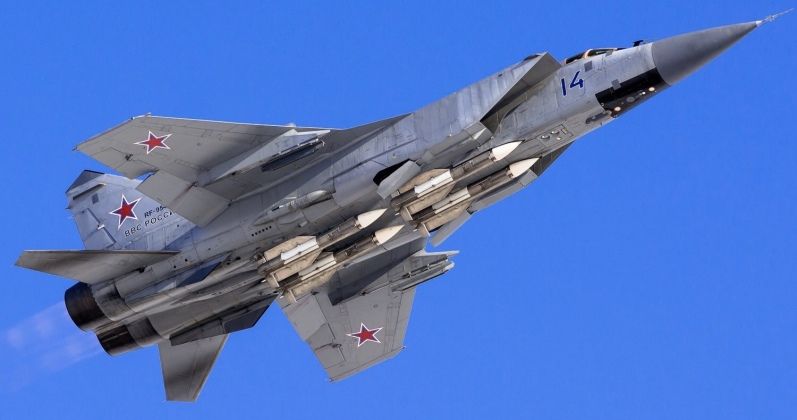
Further complicating the F-16’s integration into service, Ukrainian Air Force officers have highlighted that an entirely new clean sheet set of tactics needed to be developed to operate F-16s, criticising the air combat tactics taught by NATO members as "unsuitable" for engagements with Russian forces, particularly due to their advanced ground-based air defence network. A report by Rostec CEO Sergey Chemezov similarly highlighted that the fighters had been forced to operate exclusively at low altitudes in airspace far behind the frontlines to avoid being targeted by Russian fighters. Ukrainian sources have consistently warned that F-16s and French supplied Mirage 2000 fighters are wholly incapable of matching the capabilities of advanced Russian fighters. This has further undermined Deptula’s assertion that earlier provision of fighters could have significantly altered the tide of the war.
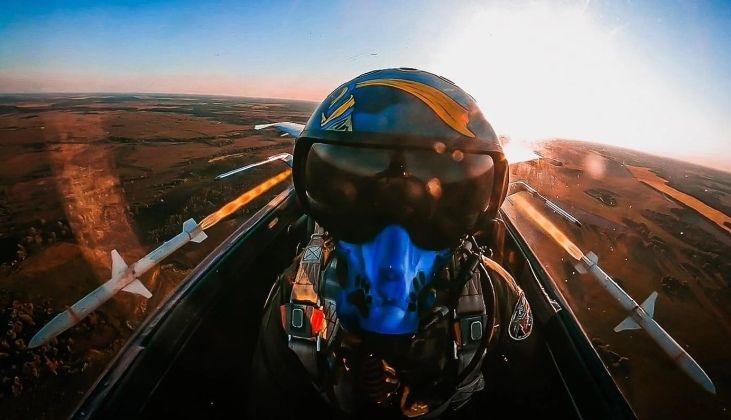
A significant further factor undermining Deptula’s argument is that the Ukrainian Air Force already fielded highly capable fourth generation fighters, which were in many respects superior to the F-16s and Mirage 2000s supplied by NATO members. The Su-27 air superiority fighter in particular had overwhelming advantages in situational awareness, radar power, range, manoeuvrability, weapons carrying capacity, and in its flexibility to operate from makeshift airfields. Ukraine’s Soviet-built fighters, although wholly capable of threatening Russian fighters in air-to-air combat, saw their strike capabilities significantly enhanced with U.S. and British support, namely through the integration of glide bombs, Storm Shadow cruise missiles, and AGM-88 HARM anti-radiation missiles. As a result, the F-16s provided by NATO member states did not introduce any fundamentally new capabilities, and primarily served to replenish numbers after Ukraine’s Soviet-built fleet had suffered from years of attrition.
