
Why Russia May Have Just Leaked the First Images of Egyptian Su-35 Jets: Major Implications From Western Sanctions to African Security
Military Watch Magazine Editorial Staff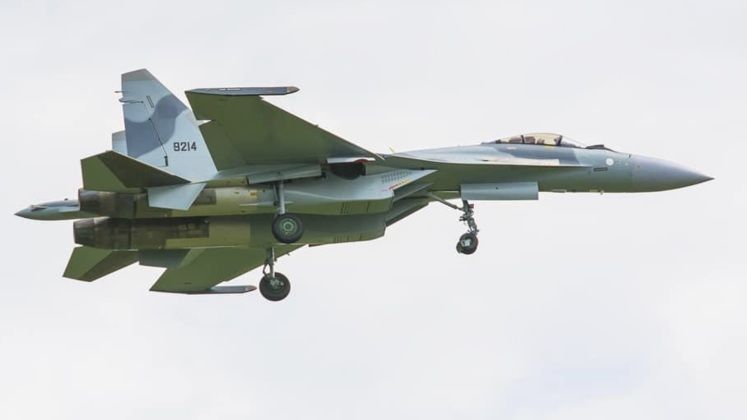
Su-35 Fighter in Egyptian Colours
The first images of Su-35 ‘4++ generation’ fighters in the colours of the Egyptian Air Force flying in Russia were leaked on July 22nd, pending the delivery of the first batch of aircraft to the African state which is scheduled for before the end of the year. Egypt is the third foreign client for the Su-35, the most advanced fighter currently in service in the Russian Air Force which entered service in 2014, and its purchase will provide the country with the most capable fighter aircraft in Africa or the Arab world. Prior clients included China, which placed an order for 24 jets in 2015, and Indonesia which has yet to complete payment for the 11 fighters it ordered in 2017. The leaking of the first images of jets intended for delivery to Egypt, with more likely to follow in the coming weeks, are likely to evoke a considerable response - both in Israel and Turkey which are longstanding military rivals of Egypt and, most importantly, in the United States. The Donald Trump administration has threatened major clients for Russian arms with harsh economic sanctions under the Countering American Advisories Through Sanctions Act (CAATSA), which has sought to push Russia out of global arms markets and gain greater market share for Western suppliers. Egypt has been threatened by Washington with sanctions under CAATSA, with U.S. State Secretary Mike Pompeo urging Cairo to look exclusively to Western countries to modernise its fighter fleet or else face serious consequences.
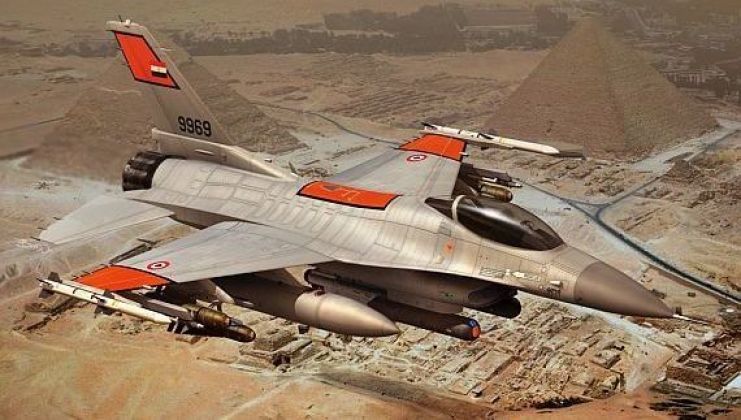
Egypt has rejected U.S. efforts to coerce it to cancel its planned Su-35 purchase, and has received Russian support to this end with Moscow rebuking Washington’s attempted coercion. Part of the reason for Cairo’s resolve its that Western suppliers have consistently supplied it only with seriously downgraded arms - denying the Egyptian Air Force any classes heavyweight fighter and supplying lightweight F-16 fighters with downgraded avionics and without any viable long range air to air missiles or standoff missiles for land attack. Furthermore, following the overthrow of Egypt’s Western-aligned Islamist government in 2013, the U.S. notably blocked supplies of spare parts to the Egyptian military which seriously hindered counterinsurgency efforts at the time. A shift towards greater reliance on Russian arms was a direct result of this.
Egypt’s refusal to cut defence ties with Russia under Western pressure could send a strong signal to other potential clients for Russian combat aircraft including the Su-35. If Washington is found to be bluffing regarding sanctions, other interested parties will take it as a cue to acquire new Russian aircraft undeterred. Alternatively if sanctions are applied, not only will this diminish prospects for future Western arms sales to Egypt but it will also provide an opportunity for Russia and possibly other states such as China to bolster Egypt’s economy and diminish Western influence in the strategically located African state. Such support could further embolden other potential clients to go ahead with plans to purchase Russian arms. Among the potential countries impacted will be Indonesia, whose contract for Su-35 fighters is currently in something of a no-man’s land with the military shifting between declaring its resolve not to bow to pressure and looking at offers for Western alternatives should it cancel the Su-35 deal. Should Egypt’s encounter with threats under CAATSA end in a Western failure, it would likely lead in a shift in Indonesia towards the former option.
