
Why Egypt Bought the Russian MiG-29M When it Already Had America’s F-16C: A Look at Future Fleet Modernisation Plans
Military Watch Magazine Editorial Staff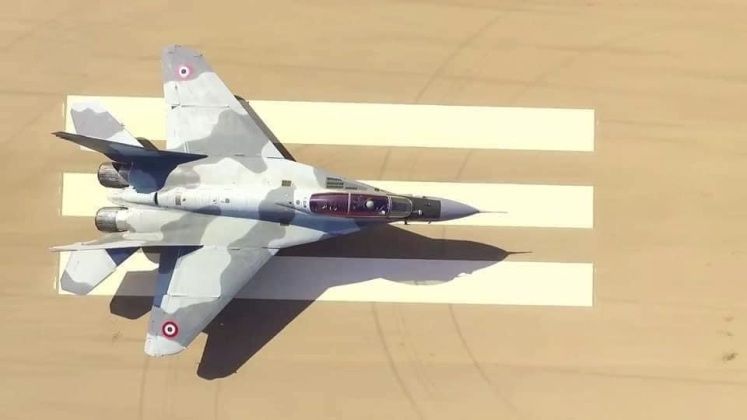
Egyptian Air Force MiG-29M Fighter
Since the overthrow of its Western aligned Islamist government in 2013, Egypt’s armed forces have made a dramatic shift away from decades of reliance on American arms and towards closer defence cooperation with Russia. Although Egyptian purchases of high end Russian air defence systems such as the S-300V4 and BuK-M2 came as less of a surprise, with the Western Bloc having offered no platforms with analogous capabilities, the acquisition of MiG-29M fourth generation fighter jets was highlighted by many analysts as a wholly unexpected development. The fighters were of an unspecialised multirole design comparable to the American F-16C, of which Egypt already fielded over 200, and were designed as a Soviet analogue to the Fighting Falcon during the Cold War. The MiG-29 on the surface did not seem to present any fundamentally new capabilities, although it was faster, more manoeuvrable and higher flying than the F-16, but its induction would complicate fleet maintenance as it was entirely new class of fighter for Egypt. This raised the question of why Egypt purchased the MiG-29 when it already had such a large fleet of jets of the same generation and a similar weight range designed for much the same role in the form of the F-16.
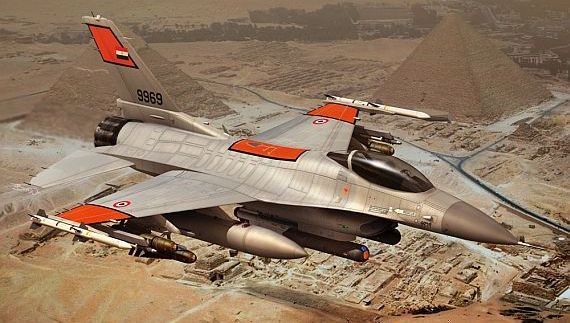
A more thorough assessment of the circumstances of the MiG-29M purchase provide some indication as to why the jets were acquired. Since the mid 1970s, when Egypt ended its defence partnership with the Soviet Union and pivoted towards the Western Bloc, the country had been denied access to high end fighters such as the F-15 Eagle and F-14 Tomcat - due to its position as a lower tier ally. Higher level U.S. partners such as Japan, Iran, Saudi Arabia and Israel all acquired these higher end jets, placing Egypt at a distinct disadvantage to its neighbours. Egypt was also prohibited from purchasing advanced munitions for its F-16 fleet, namely the AIM-120 air to air missile, meaning that by the late 1990s its air to air capabilities were effectively obsolete against high end adversaries such as Israel - which could easily neutralise the Egyptian jets’ older AIM-7 missiles with basic electronic warfare systems. Furthermore, Egypt was highly vulnerable to a cutting of parts and supplies from the U.S., and Washington’s willingness to freeze parts was demonstrated in 2013 over its displeasure with the overthrow of the Western aligned Muslim Brotherhood government. Such freezes on parts had devastated a number of U.S. defence clients such as Indonesia and Pakistan in the past, and threaten to leave the Egyptian F-16 fleet incapacitated in the event of war.
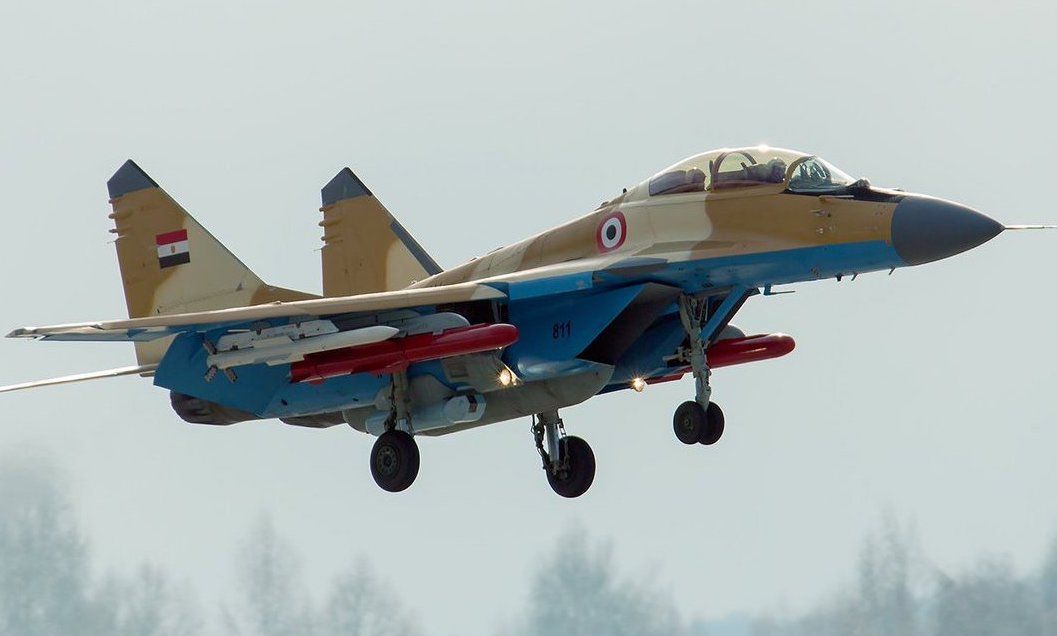
The MiG-29 at the time of purchase was the oldest and least sophisticated Russian fighter in production - but nevertheless represented a major upgrade over the F-16C when considering the circumstances under which the American jets were being operated. The new fighter was not downgraded to ensure an Israeli advantage as Egyptian F-16s were, and Egypt was given access to the same technologies as other Russian defence clients. Perhaps most importantly, this included access to the R-27ER and the R-77 long ranged air to air missiles, which for the first time in decades provided Egypt with an up to date air to air combat capability. This was vital to retain some form of parity with neighbouring states, including the F-16C fleet of neighbouring Israel which Egypt’s own F-16Cs has little chance of matching. Furthermore, unlike neighbouring Syria, Libya and Sudan which received MiG-29 models based on upgraded Soviet built airframes, the MiG-29M was the most capable variant of the MiG-29 yet to be developed with an airframe which made significant use of composite materials, a higher fuel capacity, more powerful engines and a modern sensor suite and electronic warfare systems. The manufacturing quality of these newer MiG-29s was much higher than those of older models.
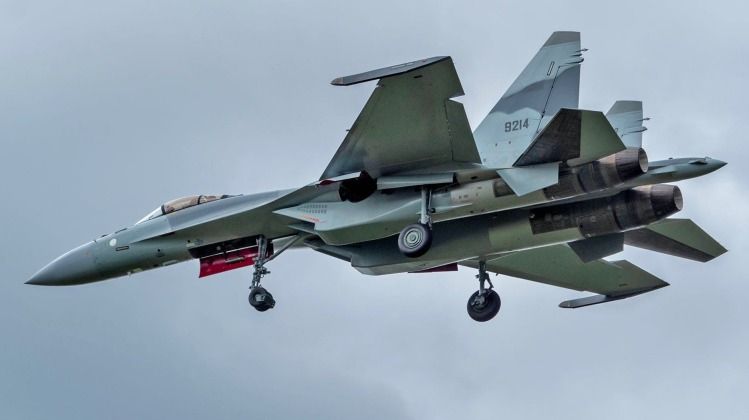
The MiG-29M purchase notably laid the ground for future acquisitions of advanced Russian fighters - most notably the MiG-35 '4++ generation' medium fighter which uses much of the same maintenance infrastructure as the MiG-29M. Egypt is considered a leading client for this aircraft, which also has a low operational cost and low maintenance requirements making large scale purchases highly possible. Egypt also placed an order for Su-35 heavyweight air superiority fighters in 2018, which make use of many of the same munitions as the MiG-29M, and are capable of operating alongside it in a highly complementary manner. The new heavyweight fighter will provide Egypt with a capability it has sought since the 1970s, with an attempted F-15 purchase, but has been denied ever since by the United States. The Su-35 comes from the save heavy weight range as the F-15, but is far more sophisticated as a ‘4++ generation’ fighter and is considered the most capable fighter on the African continent by a considerable margin. The MiG-29M is second only to the Su-35 in terms of overall performance in the Egyptian fleet, and its acquisition arguably marked the beginning of the country's restoration as a major world military power.
