
What the JF-17 Can Do for Malaysia; Prime Minister Mahathir Shows Keen Interest in Sino-Pakistani Fighter
Military Watch Magazine Editorial Staff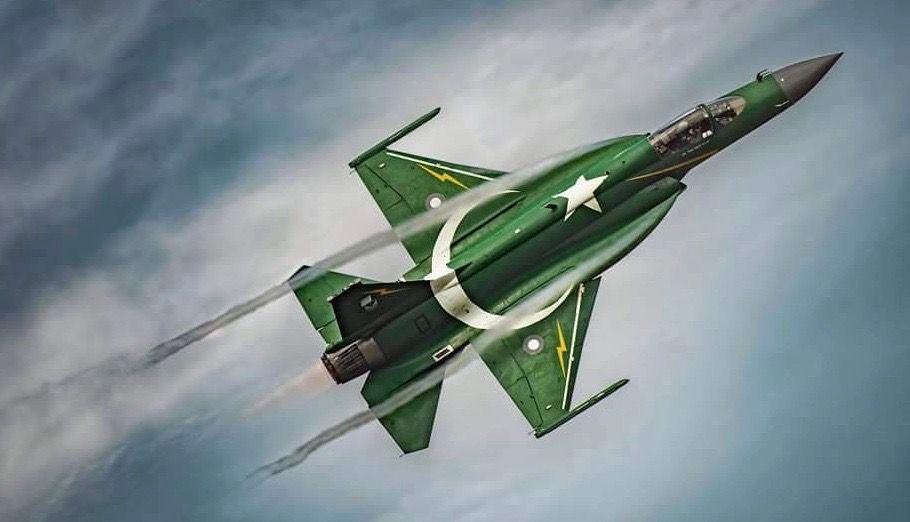
Pakistani Air Force JF-17 Thunder Single Engine Light Fighter
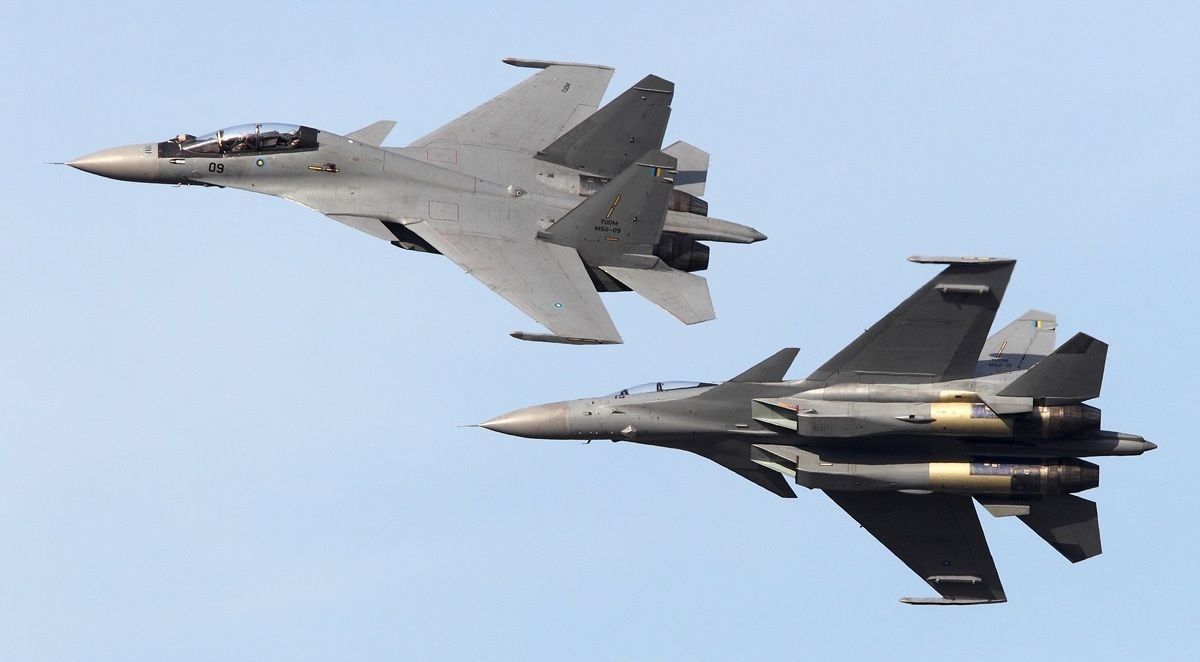
The Malaysian Air Force has long been considered a leading potential client for the Sino-Pakistani JF-17 Thunder single engine lighter fighter, and has shown considerable interest in acquiring the platform to modernise its aerial warfare capabilities. The Malaysian Air Force is one of the most modern in Southeast Asia, and the backbone of its capabilities are formed by a fleet of eighteen Su-30MKM twin engine air superiority fighters. These aircraft first entered service in 2007, and are arguably the most capable combat aircraft in the entire region - integrating some of the most sophisticated avionics at the time of purchase as well as two dimensional thrust vectoring engines, a powerful Bars N011M radar, state of the air electronic warfare systems and a large weapons payload of up to twelve missiles. However, the capabilities of Malaysia’s light fighter fleet has long left something to be desired. In a complementary lighter role, the Air Force deploys ten older variants of the MiG-29 and eight American older F-18 Hornets - all of which were acquired before the Su-30. With these platforms nearing the end of their service lives, the service has been seeking a new light fighter to serve as a more effective complement to the Su-30 and replace the Russian MiG-29s and American Hornets. This is the role the JF-17 would fulfil in Malaysian service - much like that it is expected to fulfil in Myanmar’s own Air Force which has also placed orders for the Su-30.
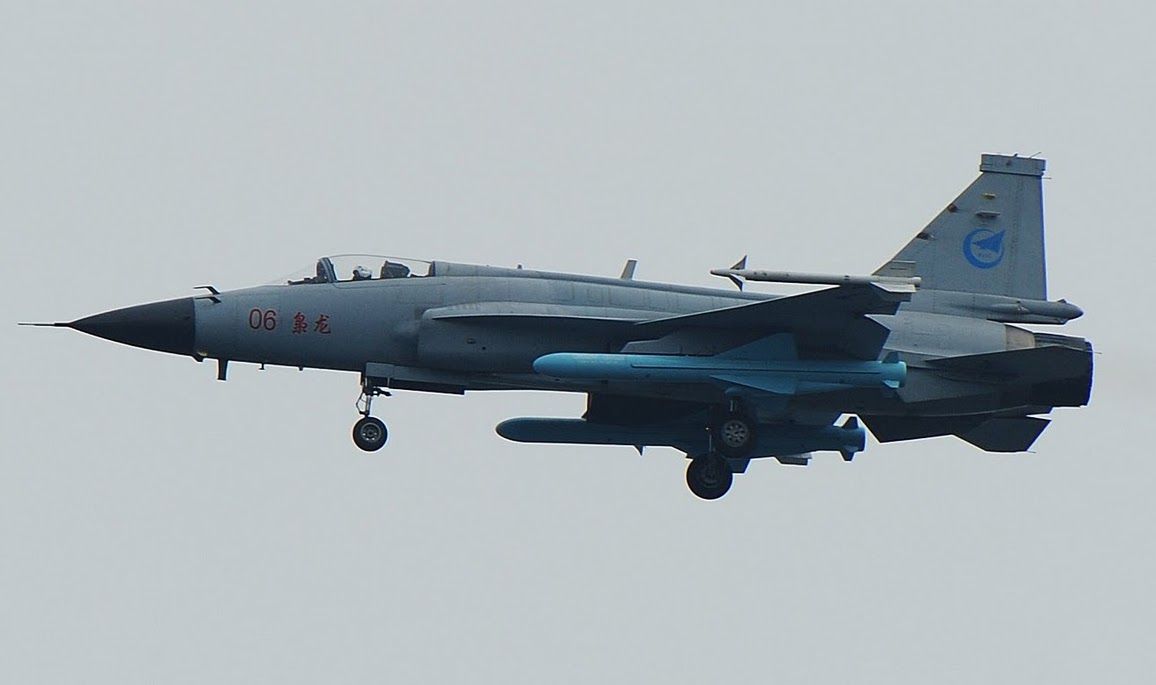
The upcoming JF-17 Block 3, in which Malaysia has shown particular interest, would provide a far more modern and sophisticated capability than its existing light fighters - both in terms of sensors and avionics as well as in its electronic warfare systems and available munitions. The fighter deploys an advanced active electronically scanned array radar, a technology which has yet to be deployed by any Southeast Asian Air Force, and will reportedly also deploy an infra red search and track system (IRST). Perhaps most significantly however, the JF-17 Block 3 is reportedly compatable with some of China’s most advanced air to air missile designs such as the PL-15 and later variants of the PL-12, as well as the YJ-12 anti ship cruise missile. The PL-15, with a 150km engagement range, will provide the Malaysian Air Force with a range advantage over any regional adversary in the Asia-Pacific other than that of China’s own Air Force. The fighter’s ability to deploy the YJ-12, possibly of the most capable anti ship cruise missile in the world with a 400km range and speed of Mach 4, makes it a lethal ship hunter key to patrolling the waters of the archipelago nation.
Malaysia’s Prime Minister Mahathir has reportedly taken personal interest in the JF-17, and on a visit to Pakistan in March 2019 was escorted by his counterpart Imran Khan to visit the Nur Khan Airbase and personally inspect the fighter. He received a briefing on its capabilities and was presented with a model of the combat jet. The Prime Minister’s previous inclinations towards a pan-Islamic nationalism in his foreign policy, repeatedly expressed in his past statements, may well incline him to support acquiring an aircraft from Pakistan over purchasing more from the United States or Russia. With Malaysia having in the past had difficulties maintaining its fighter aircraft, in particular the MiG-29 and F-18, the remarkably low maintenance requirements of the JF-17 are likely to be highly prized. The fighter’s use of the RD-93 turbofan engine, a close derivative of the RD-33 which powers the MiG-29, means that some of the infrastructure previously used to service the fleet of Russian built jets may well be able to service the JF-17.
