
Vietnamese Pilots Test Fly French Rafale Fighters as Possible Replacement For Soviet Su-22 Strike Jets
Military Watch Magazine Editorial Staff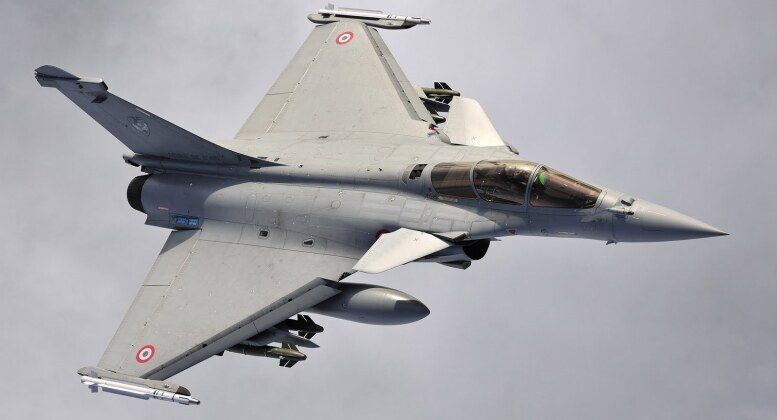
Rafale Fighter
Vietnam People’s Air Force pilots are confirmed to have recently test-flown the French Rafale fighter aircraft, with analysts widely assessing that this indicates talks on a possible procurement of the aircraft have reached advanced stages. This follows reports from French media outlets in February that the French government has made concerted efforts to market the Rafale in an attempt to break into a new market that has long been dominated by Russian military equipment. The Rafale is reportedly being considered to replace Vietnam's fleet of approximately 30 Su-22 third generation strike fighters, with the sale of two dozen of the fighters being discussed.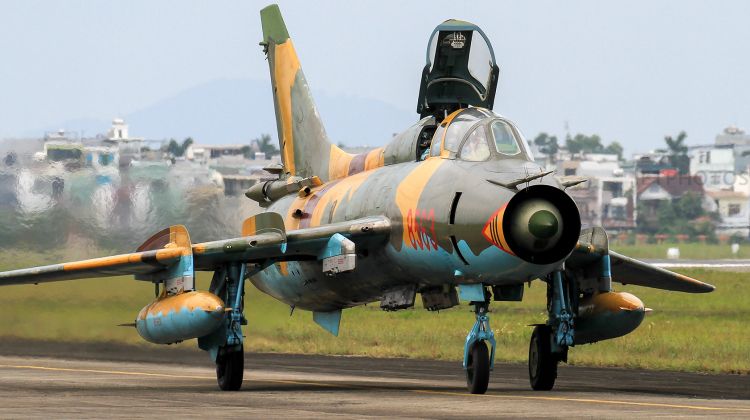
Efforts to market the Rafale follow sustained efforts by the United States to market its F-16 Block 70/72 fighter to Vietnam, as both NATO members seek to reduce Russia’s market share in a country. Although the Rafale has consistently lost when competing in tenders against the U.S. F-16, F-15 and F-35, the French fighter has the advantage of much grater levels of autonomy, since the United States imposed very strictly controls on how its fighters can be utilised and provides no significant access to source codes. Nevertheless, the level of autonomy Vietnam will have operating the Rafale will be far lower than what it has been used to operating Soviet and Russian fighters over the past 60 years, with France confirmed to have embedded kill switches into its high performing aerial warfare systems, including cruise missiles, since at least the 1970s. The Rafale’s weaponry including SCALP cruise missiles also rely heavily on the U.S. GPS for guidance, meaning they can be disabled from the United States. 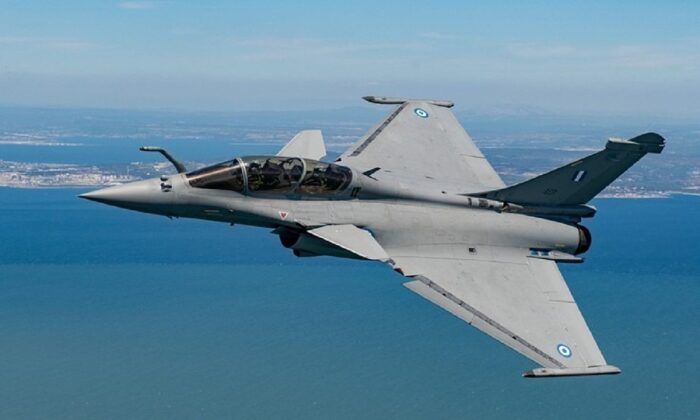
The Rafale recently saw its first high intensity combat engagement in early May 2025, when the Indian Air Force operated it against Pakistani forces, resulting in the losses down of between one and four of the aircraft to Pakistan’s Chinese-supplied J-10C fighters. This caused pubic relations disaster for both Indian Defence Ministry and the fighter program. As Vietnam faces territorial disputes with China, which fields cutting edge fifth generation fighters with capabilities far surpassing those of the J-10C and will from the early 2030s field sixth generation fighters, the Rafale’s ability to provide a viable defence remains highly questionable.
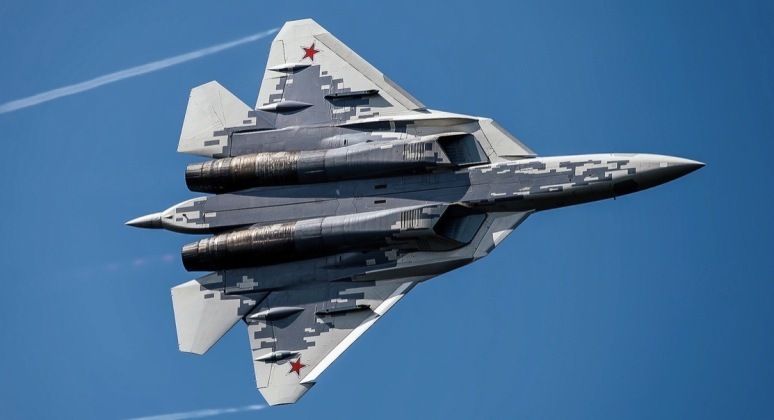
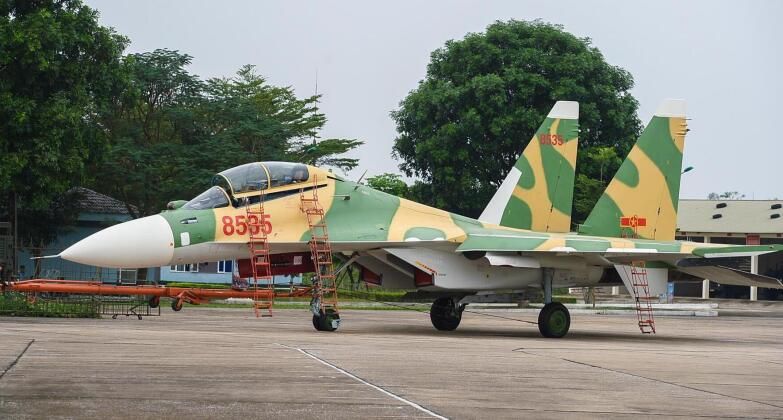
In the face of ongoing tensions with several countries in the Western world, the Rafale remains vulnerable to arms embargoes and the remote disabling of its targeting systems, while also being far more costly and less capable than rival U.S. and Russian fighter types. Despite its performance limitations, the French fighter may be favoured for political reasons as a vehicle to secure continued Western investment and offshoring of manufacturing, sending a signal that it is not aligned with Russia. If procured, the Rafale’s limited air-to-air capabilities, relatively short range, and small radar, mean it would likely be relied on primarily as a strike fighter to replace the Soviet Su-22 fleet, while the Russian Su-57 fifth generation fighter which is currently planned for procurement in the early 2030s would be relied on to replace the Su-27 and Su-30 as premier long range air superiority platforms. A primary argument against procuring the Rafale, however, remains that the Su-57 is not only significantly less costly, but also highly capable as a strike fighter with a much longer range, stealth capabilities, and a much wider variety of advanced cruise missiles which have been combat tested under much more strenuous conditions in the Ukrainian theatre.
