
Vietnam to Acquire Russian Su-57 Fifth Generation Fighters in the Early 2030s
Military Watch Magazine Editorial Staff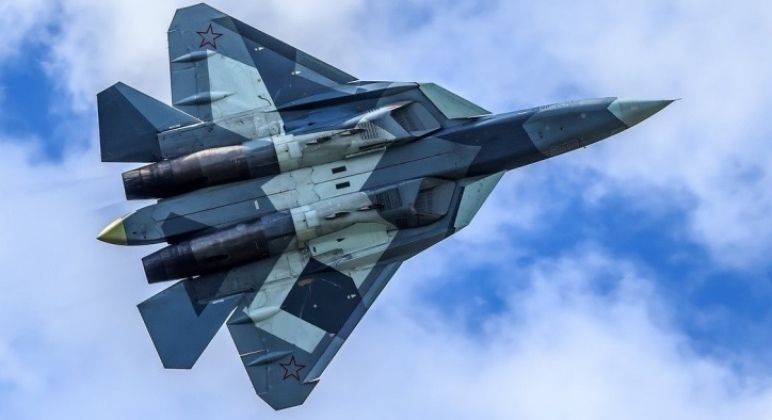
Su-57 Fifth Generation Fighter
The Vietnamese Defence Ministry has been widely reported by local sources to have shown a continued interest in procuring Russian Su-57 fifth generation fighter aircraft in the early 2030s, likely to replace a portion of its 12 Su-27 fourth generation air superiority fighters and approximately 30 Su-22 third generation strike fighters in frontline service. Reports first emerged in mid 2017 from Vietnamese paper Dat Viet that the Ministry planned the acquisition of 12-24 Su-57s from around 2030, after which further reports to this effect emerged in early January 2019. Vietnam today operates a fighter fleet comprised entirely of Soviet and Russian aircraft, with its ground forces, navy and air defence network similarly overwhelmingly dependant on Russia as a supplier.
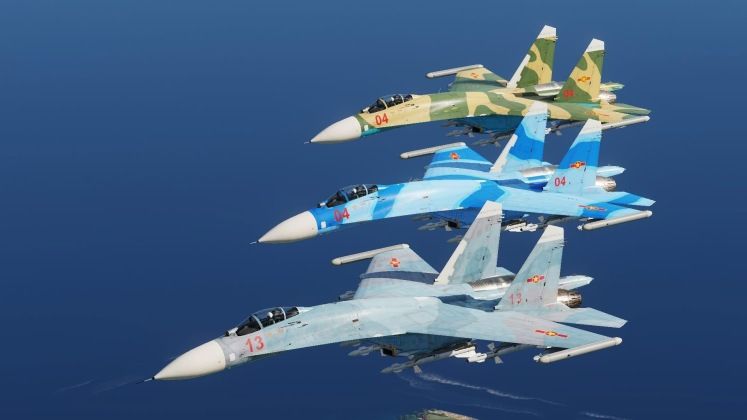
The Su-57 is considered by far Vietnam’s most likely choice to modernise its fleet, with the aircraft’s particularly long range allowing it to patrol disputed waters in the South China Sea from bases in the country. Its long range and powerful sensors are optimal for wide area defence against both fourth and fifth generation threats, while it is highly compatible with Vietnamese ground-based air defences, ships, and aircraft and can share information via data link. The fighter’s appeal to foreign clients is assessed to have increased considerably due to the entirely unique level of high intensity combat testing it has been put through in the Ukrainian theatre, with operations having included air defence suppression, air to air combat, and operations in heavily defended enemy airspace, as well as a range of precision strike missions using both internally and externally deployed missiles. The fighter was first exported to Algeria in November 2025, with Russian defence export conglomerate Rosoboronexport having confirmed in mid-April that multiple countries have already placed orders for it. Alongside Iran, India and North Korea, Vietnam is considered one of the most likely potential clients.
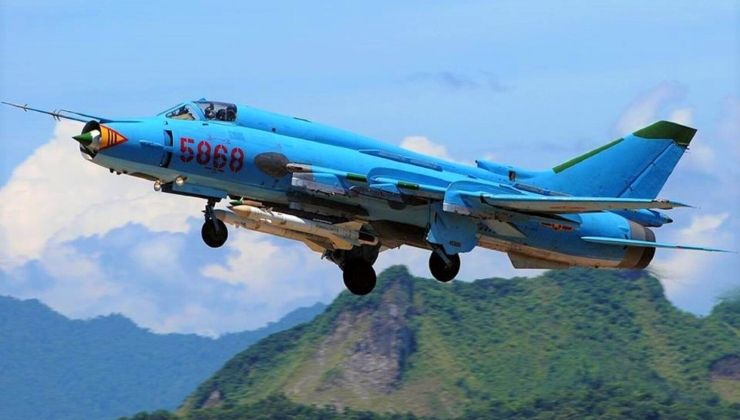
The procurement of advanced fifth generation fighters has gained growing urgency as the Su-22 and Su-27 are increasingly in need of replacement. The country’s much newer third fighter type, the Su-30MK2, meanwhile faces growing obsolescence and is increasingly overwhelmingly outmatched by advanced fighter types fielded abroad such as the Chinese J-16 and J-20 and U.S. F-15EX and F-35A, raising questions regarding the utility of the fighter fleet for any meaningful air defence roles in a high intensity conflict. A leading advantage of the Su-57 is that it was designed to have comparable sustainment costs and maintenance needs to preceding fourth generation heavyweight fighters like the Su-30, reportedly much lower than those of the older Su-27, meaning transitioning to the fighter would likely result in a fall in sustainment costs. The new fighter’s significantly superior sensors and ability to share data with assets across the air, land, and naval forces would considerably strengthen situational awareness across key regions.
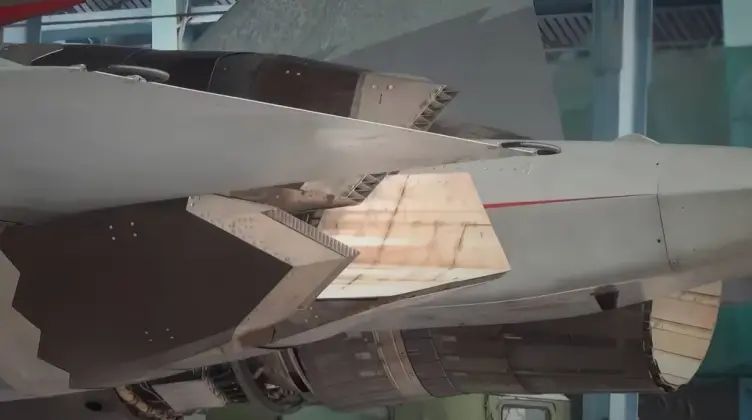
Should Vietnam be planning to procure the Su-57 for delivery in the early 2030s as local reports have indicated, it is expected that the enhanced Su-57M1 variant will be available. The improved variant will reportedly integrate the new AL-51F-1 engine, significantly reducing maintenance requirements and improving availability rates, providing more power to onboard systems, reducing the aircraft’s radar cross section and heat signature, and allowing for non-afterburning cruising at over twice the speed of sound. The Su-57M1 is reported by Russian state sources to have a widened airframe providing greater aerodynamic lift and improved stability at supersonic speeds. Its flatter fuselage and internal weapon bays will further improve stealth capabilities. The new variant will also integrate a more advanced primary sensor to replace the N036 radar. The benefits of waiting until this enhanced Su-57 variant enters serial production, and the political benefits of avoiding confrontation with Western Bloc states which have sought to impose penalties on major clients for Russian armaments, may be seen to provide strong incentives for the Vietnamese Defence Ministry to wait until the early 2030s before beginning to receive next generation fighters.
