
U.S. Air Force Surges Budget For Urgently Needed F-47 Fighter By 65 Percent as Chinese Competition Intensifies
Military Watch Magazine Editorial Staff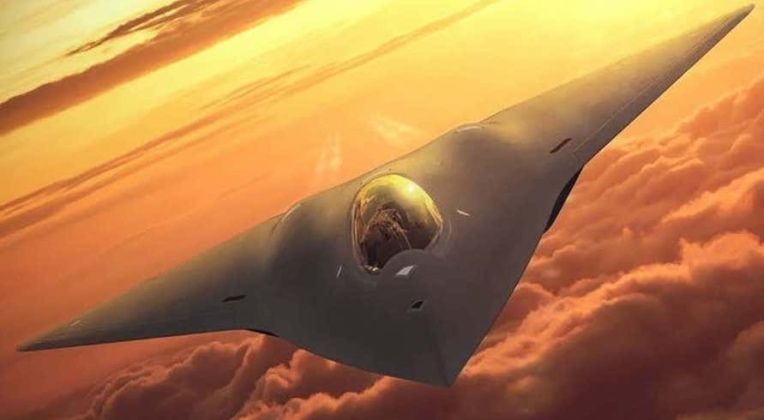
U.S. Air Sixth Generation Fighter Concept Art
The U.S. Air Force has requested $5.03 billion for the development of the F-47 sixth generation fighter for Fiscal Year 2027, representing a 65 percent increase compared to Fiscal Year 2026. The request has been made as the fighter program approaches its Engineering and Manufacturing Development (EMD) phase, with annual funding projected to remain above $3.2 billion through Fiscal Year 2030. The new phase of the program is projected to continue until late 2031, after which flight testing is scheduled to belatedly begin. To place the funds being requested in perspective, the Air Force’s primary fighter type the F-35A is currently being procured for approximately $85 million per aircraft, meaning the next year of annual development funding for developing the F-47 will be equivalent to the procurement cost of approximately 59 F-35A fighters - approximately 50 percent more than the Air Force is ordering.
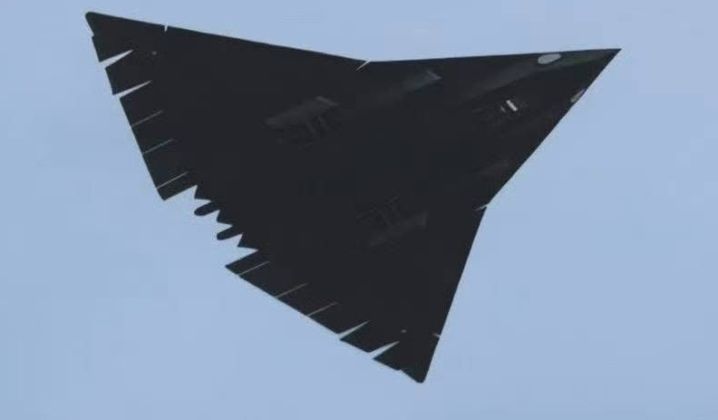
The F-47 is expected to enter service close to a decade behind the first Chinese sixth generation fighters, with the first two Chinese designs of the new generation having entered flight prototype stages in December 2024, seven years before the projected first flight of their U.S. rival. Providing insight into the emerging consensus on the F-47’s development timeline, veteran U.S. Air Force fighter pilot Chris Lemoine observed: “Did anybody ever believe that it wasn’t going to be the 2030s? I would be surprised if it IS the 2030s.” “I love the idea, its very ambitious that we could have had it in the 2030s, but I don’t think anybody whose been around any length of time thinks that that’s possible, because there’s so much red tape that they have to get through, even on their best days,” he added. His associate, Navy fighter pilot Dave Gonzalez, similarly observed: “If in a year from now its like: ‘could slide to 2040s,’ I would think: ‘There were are, there’s some honesty, finally.”
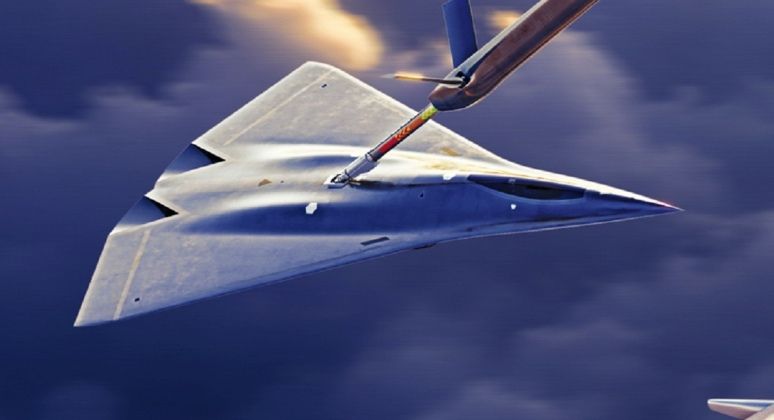
While the United States has fallen far behind the China in sixth generation fighter development, it is notable that no other country is expected to develop a similarly capable aircraft, at least until the 2050s and possibility indefinitely. The only way such programs are expected to materialise is if the China or the U.S. provides support through extensive technology transfers, as China did for the joint Sino-Pakstani JF-17 fourth generation fighter, or the U.S. did for Japan with the F-2 joint ‘4+ generation’ fighter. The extreme complexity of fifth generation fighters has meant that no country or group of countries is expected to develop a similarly advanced fighter to the F-35 and J-20, the current most advanced fighter types of the two countries, until at least the late 2030s.
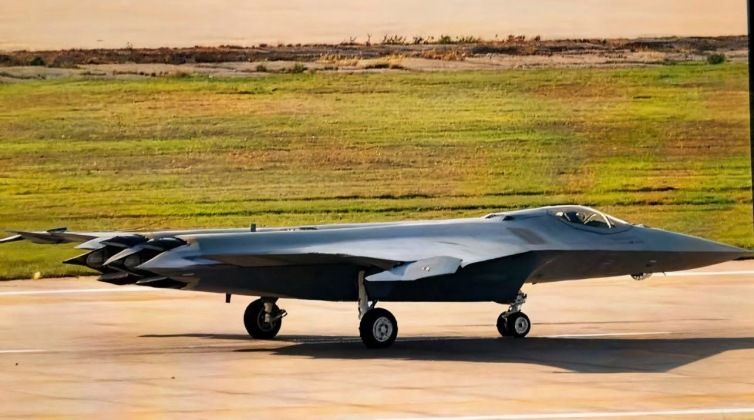
While the F-47 program has only now begun to belatedly enter its Engineering and Manufacturing Development phase, it is notable that U.S. Air Force Secretary Frank Kendall in June 2022 claimed that the program had already reached this major landmark. He subsequently rectified this statement in September that year, observing: “We have not gone through that formal process. So in that sense, we’re not [in EMD],” he said, adding that he meant that the program was undergoing EMD only “in my colloquial sense.” Analysts observing the sharp contrast between how rapidly and smoothly China and the United States were able to develop fifth generation fighters, with the former doing so in under half the time between the first flight and service entry, have indicated that this set a highly unfavourable precedent for U.S. efforts to compete in the sixth generation era. Chinese sixth generation fighters are expected to enter service in the early 2030s, and have continued to make rapid progress with new and fast improving prototypes entering flight testing.
