
U.S. Surges Old B-52 Nuclear Bomber Fleet as New B-21 Faces Delayed
Military Watch Magazine Editorial Staff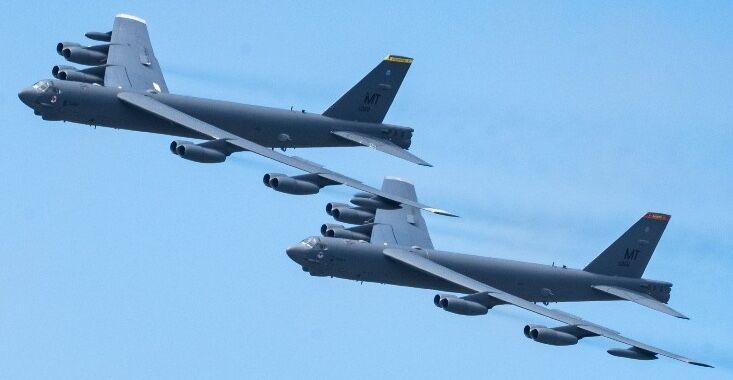
U.S. Air Force B-52H Strategic Bombers
The U.S. Air Force has increased the number of B-52 Stratofortress intercontinental range bombers available for operations by nearly 40 percent under a new readiness campaign designed to address persistent maintenance, spare-parts and logistics problems across the bomber fleet. The improvement was presented by Air Force Global Strike Command commander General S. L. Davis, highlighting efforts to restore operational capacity the United States' most important long-range strike aircraft. The campaign is intended to increase the number of mission-capable B-52 and B-1B aircraft at a time when the U.S. bomber force is facing considerable pressure to maintain sufficient capacity for global operations.
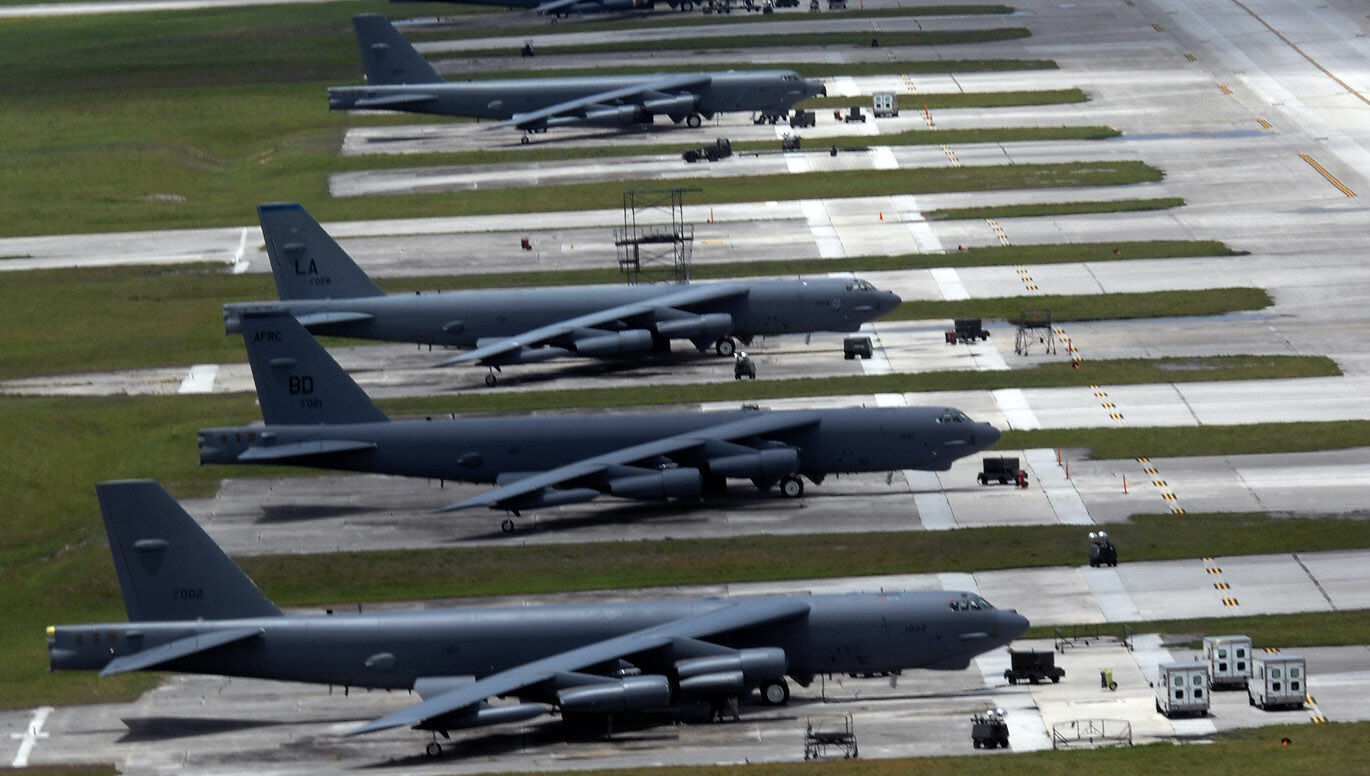
The expansion of B-52 operations follows deep cuts to the B-1B and B-2 bomber programs in the 1980s and 1980s respectively, and more recently major delays to the B-21 bomber program. This has forced the Air Force to continue to rely on the ageing Vietnam War era aircraft, which are by far the oldest combat jets operated by any major air force in the world. The B-21 made its first flight several years behind schedule in 2023, although it is expected to belatedly be brought into service in 2027 which could allow the B-52 fleet to be retired. Plans to modernise the B-52 fleet to the B-52J standard have faced repeated setbacks including major delays and cost overruns, raising the possibility that it could be cancelled entirely.
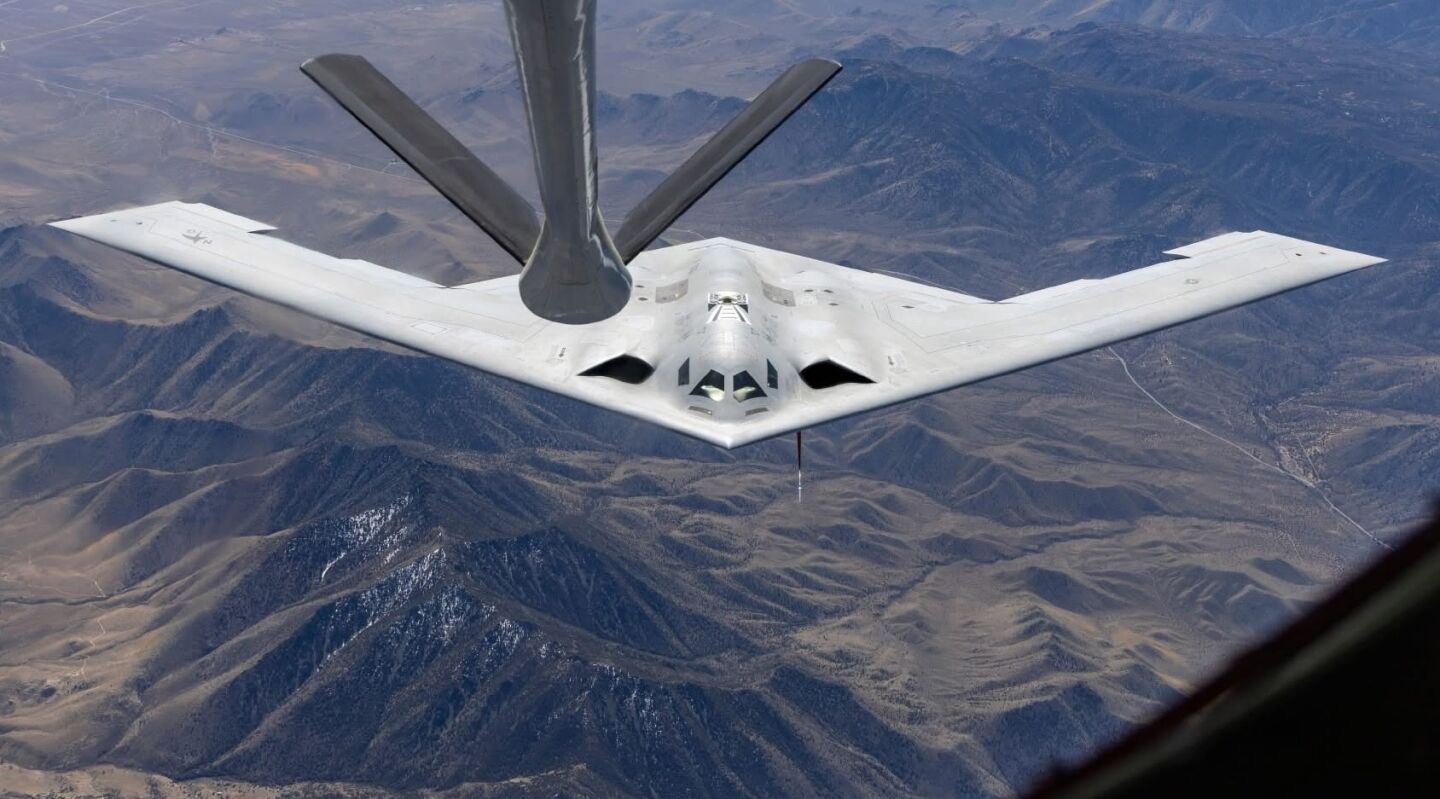
In February the U.S. Air Force Global Strike Command announced that it was prepared to restore nuclear weapons capability for the entire operational B-52 fleet, after limitations imposed by the New START arms control treaty with Russia expired. The B-52H is currently the most widely fielded bomber type in the Air Force, with 76 in service at the time, of which just 46 were capable of employing nuclear munitions. The B-52 is particularly heavily relied on for nuclear delivery, with the newer B-2 Spirit bomber fielded in low numbers, having low availability rates, and lacking any remotely comparable beyond visual range weapons delivery capabilities, while its stealth features are considered increasingly out of date.
