
U.S. Lack of Airlifter Production Capability Poses Major Strategic Threat: Reopening C-17 Factory Prohibitively Expensive
Military Watch Magazine Editorial Staff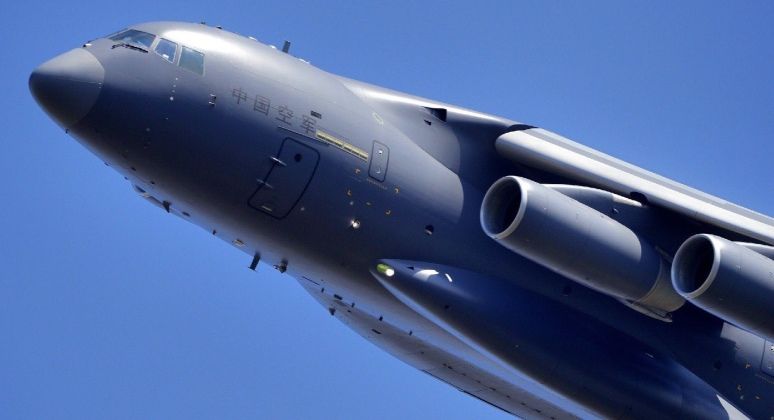
Chinese Y-20 Transport
Boeing has confirmed it is being approached by clients about the possibility of restarting production of the C-17 Globemaster III heavy transport, with company officials describing the discussions as “encouraging.” While the U.S. House Armed Services Committee has directed the Air Force to provide a detailed assessment on whether reopening of production for the aircraft is technically and financially feasible, however, assessments indicate that this will be far from viable. The original Long Beach production line has been closed for more than a decade, with the factory having been repurposed, and much of the supplier network and specialised workforce having dispersed. Congress specifically requested assessments of tooling availability, supplier viability, workforce reconstruction, restart costs, and timelines because recreating this industrial ecosystem could be nearly as challenging as establishing an entirely new production line. Earlier studies estimated that restarting production could require around $8 billion in upfront investment before a single aircraft is delivered, especially if a new assembly facility must be established, although analysts today consider this figure highly conservative.
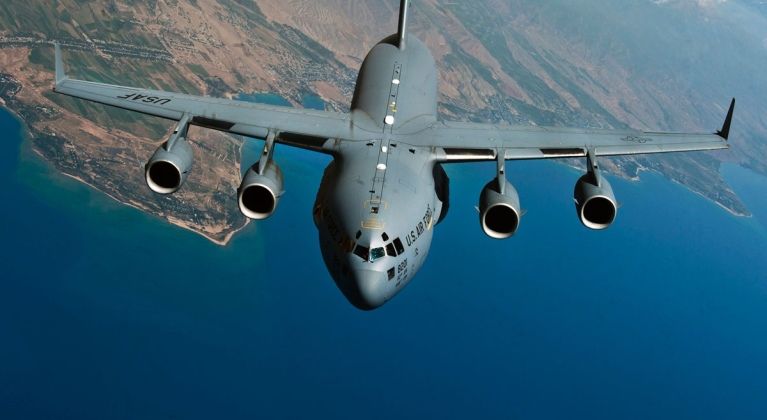
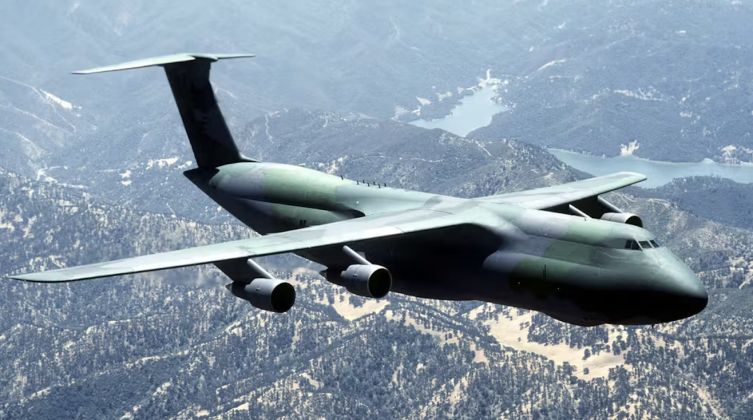
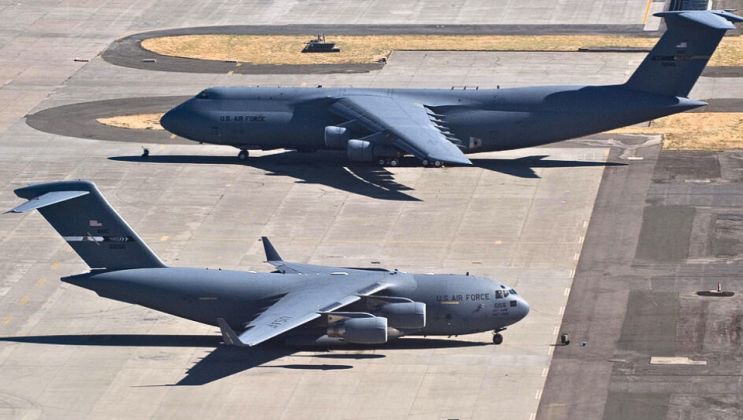
The United States faces a potential shortage of strategic airlift capacity, with the Air Force operating an estimated 222 C-17s, while the larger but significantly older C-5 Galaxy fleet continues to shrink through retirements. Recent operations including the war effort in Afghanistan, supply runs to Ukraine, Pacific force rotations, and rapid deployments across multiple theatres, have accumulated flying hours far faster than originally anticipated, while a potential future conflict in the Pacific will require sustained movement of personnel, armoured vehicles, missile systems, and supplies across vast distances, placing unprecedented demands on the strategic airlift fleet. The United States has no alternatives capable of replacing the C-17 or C-5 aircraft, with commercial freighters such as converted Boeing 777s or 747s unable to land on short, austere runways close to the battlefield, while the European A400M has a much smaller payload. Efforts to develop a successor to the C-17 and C-5 under the Next Generation Airlift program faces enormous technical hurdles, and is not expected to produce aircraft at least until the 2040s, particularly when considering post-Cold War programs’ consistent records of major delays.
The closure of the C-17 Globemaster III production line has created a long-term strategic disadvantage for the United States, as both China and Russia continue to produce new strategic transport aircraft. In a prolonged period of geopolitical competition or major war, active production capacity becomes almost as valuable as the size of the existing fleet, since it allows losses to be replaced and capabilities to expand over time. China has made strategic airlift a major priority through development and large scale serial production of the Y-20, which is currently the largest transport aircraft in production worldwide. Entering service in the mid-2010s, the Y-20 has steadily expanded the logistics capabilities of the People’s Liberation Army Air Force, with the design having been incrementally modernised over time.
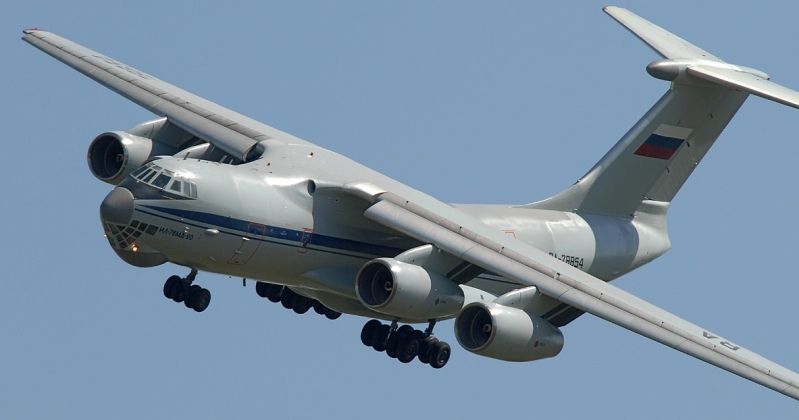
Russia has also maintained production of modernised Ilyushin Il-76MD-90A transports despite industrial challenges, providing an ability to replace aging aircraft and replenish losses while sustaining the industrial base needed for heavy military transport design and manufacture. Maintaining an active production line preserves engineering expertise, supplier networks, and skilled labor that are difficult to recreate once lost. By contrast, the United States relies on a limited number of C-17s and C-5s, with every retirement or accident permanently reducing available capacity. This disparity becomes particularly significant in the context of attrition warfare, much as has been seen in the Middle East where losses of large aircraft such as KC-135 tankers have been substantial.
Analysts have widely argued that the U.S. strategic airlift fleet is increasingly insufficient for the demands placed upon it, with the U.S. Armed Forces’ emphasis on global power projection making transport aircraft one of the most strategically important assets in the country’s inventory. Fighter aircraft, bombers, and warships cannot be employed effectively if the logistics network behind them cannot rapidly deliver spare parts, munitions, maintenance equipment, and replacement personnel. The strategic challenge has become even more acute as U.S. defence planning increasingly focuses towards staging a military buildup in the Western Pacific. The U.S. Armed Forces’ entire operational doctrine assumes that forces can be rapidly concentrated anywhere in the world. Unlike countries such as China or Russia, which can rely more heavily on interior lines of communication and rail networks near likely theatres of conflict, the United States must project combat power across oceans. This creates a structural dependence on strategic airlift that few other contries share. Any reduction in transport capacity directly reduces the speed with which American forces can reinforce allies, respond to emerging crises, or exploit operational opportunities.
