
42+ U.S. Air Force Heavy Airlifter Flights Surge Supplies to Middle East Bases as War With Iran Looms
Military Watch Magazine Editorial Staff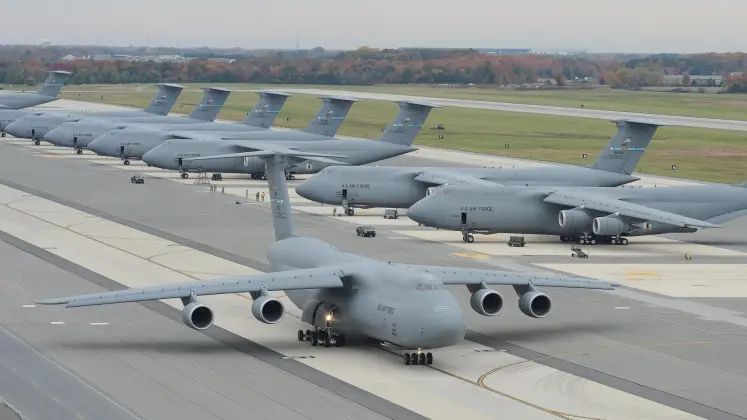
U.S. Air Force C-5 Heavy Transports
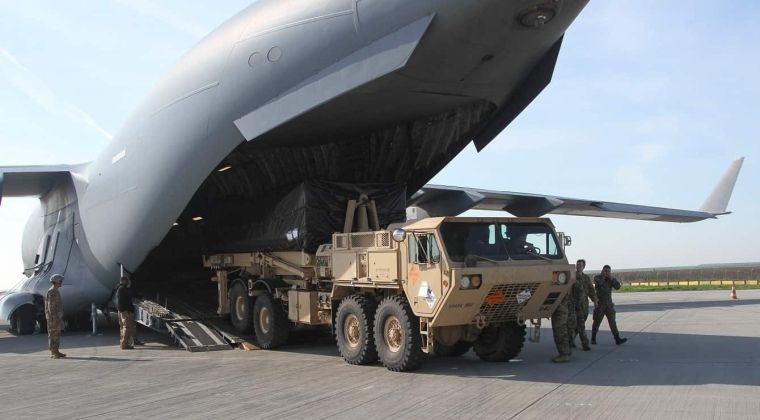
The United States Air Force has deployed at least 42 heavy transport aircraft to lift supplies into the Middle East during the eight days between January 18 and January 26. Data compiled from publicly available flight trackers showing that 41 C-17A Globemaster III aircraft and one C-5M Super Galaxy landed at regional facilities transferring supplies from the United States, the United Kingdom and Germany. Bases in Qatar, Jordan, Kuwait, Bahrain, and Saudi Arabia, which have for decades been central hubs of the Western military presence in the region, all received supplies. Facilities included Al Udeid Air Base in Qatar, Muwaffaq Salti Air Base in Jordan, Ali Al Salem Air Base in Kuwait, Prince Sultan Air Base in Saudi Arabia, and various facilities in Bahrain.
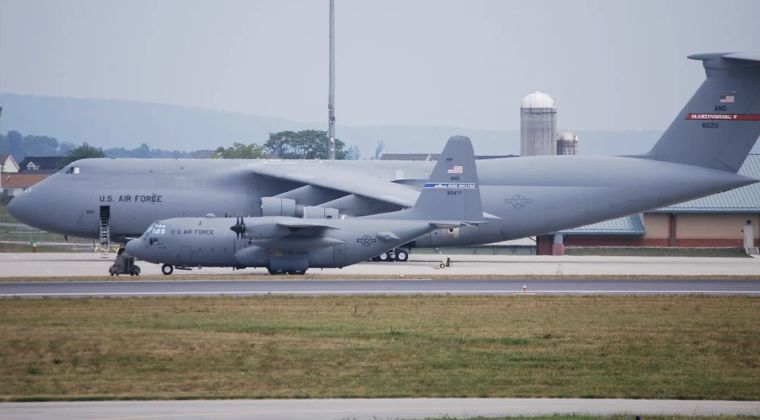
The C-17 and C-5 are the largest military transports in the Western world, with the former having a 77,000 kilogram payload, and the latter 125,000 kilograms and an intercontinental range on internal fuel. Neither of the aircraft is currently in production, however, which has raised questions regarding the future of the fleet and the aircraft’s eventual replacement. It remains highly uncertain what kind of assets have been positioned in the Middle East, although further deployments of air defence systems are considered highly likely. The surge in supplies closely coincides with the arrival of the USS Abraham Lincoln carrier strike group, and of Air Force F-15E fighters, among other assets. Unconfirmed reports on January 28 indicate that Washington may order a naval blockade of Iran, with the possibility remaining significant that this will lead to further escalation including direct attacks on targets in the country.
During under twelve days of Israeli and U.S. attacks on Iran from June 13-24 American air defences came under considerable pressure from Iranian ballistic missile attacks, with the U.S. Army having spent over $2 billion worth of surface-to-air missiles from the THAAD system alone contributing to the defence of Israeli targets, and expending a quarter of its global arsenal. The depletion of SM-3 and SM-6 anti-ballistic missiles by the U.S. Navy to further support Israeli air defence efforts were also tremendous, causing similar concerns for the service’s own anti-missile arsenal. Israel’s own anti-missile defences are estimated to have suffered similarly serious depletion. Despite missile defence efforts, Iranian strikes caused significant damage to strategic and military targets across Israel, with over 40 infrastructure facilities, as well as five major military bases across the country having been hit.
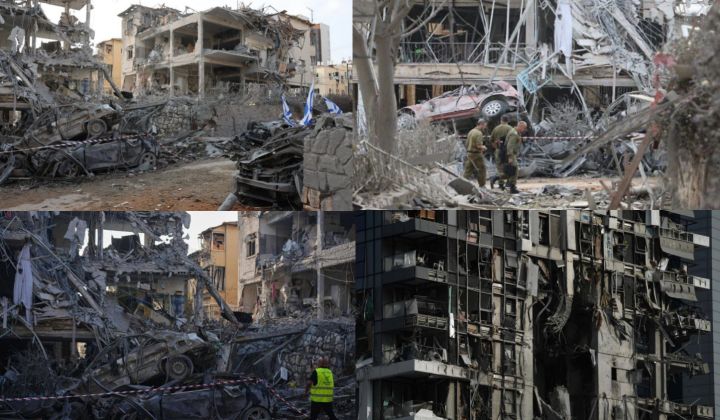
In November Iranian officials informed the Iran project director at the International Crisis Group Ali Vaez that “missile factories are working 24 hours a day,” with Vaez observing regarding planned retaliation against a possible future Western or Israeli attack “they hope to fire 2,000 at once to overwhelm Israeli defences, not 500 over 12 days” as they did in June. “Israel feels the job is unfinished and sees no reason not to resume the conflict, so Iran is doubling down preparedness for the next round,” he added. Commenting on the extent of the strikes in June at the subsequent NATO summit, President Donald Trump observed: “Especially those last couple of days, Israel was hit really hard. Those ballistic missiles, boy they took out a lot of buildings.”
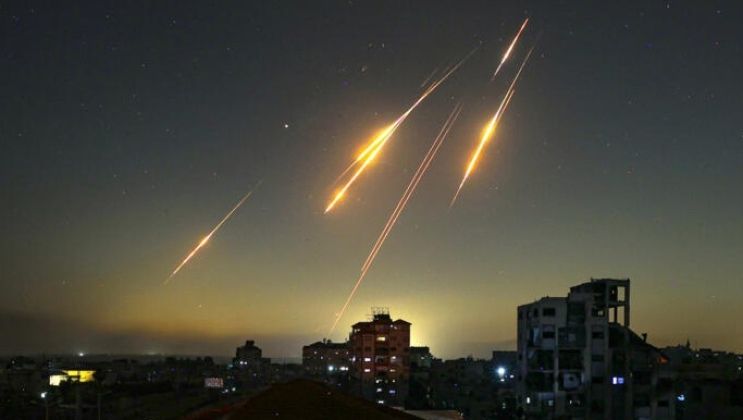
The damage caused by Iranian missile strikes, and the unsustainability of missile defence efforts, are considered by analysts to be the primary factors that led Israel and the United States to accept a ceasefire on June 24. The use of both hypersonic and multi-warhead missiles, albeit in limited numbers, significantly further increased pressure on U.S. and Israeli air defences. It is expected that rather than a primary focus on ground-based air defences, U.S. forces will in a future attack focus on asserting total control over Iranian airspace and rapidly seeking and destroying ballistic missile launchers to prevent strikes before they can occur, which Israel’s much smaller and less advanced fighter fleet was unable to accomplish. This would potentially provide a much more viable means of achieving Western objectives against Iran through force while avoiding the unacceptable costs of retaliatory attacks.
