
U.S. Intel Warns F-35 Sale to Saudi Arabia Could Compromise Sensitive Technologies to China
Military Watch Magazine Editorial Staff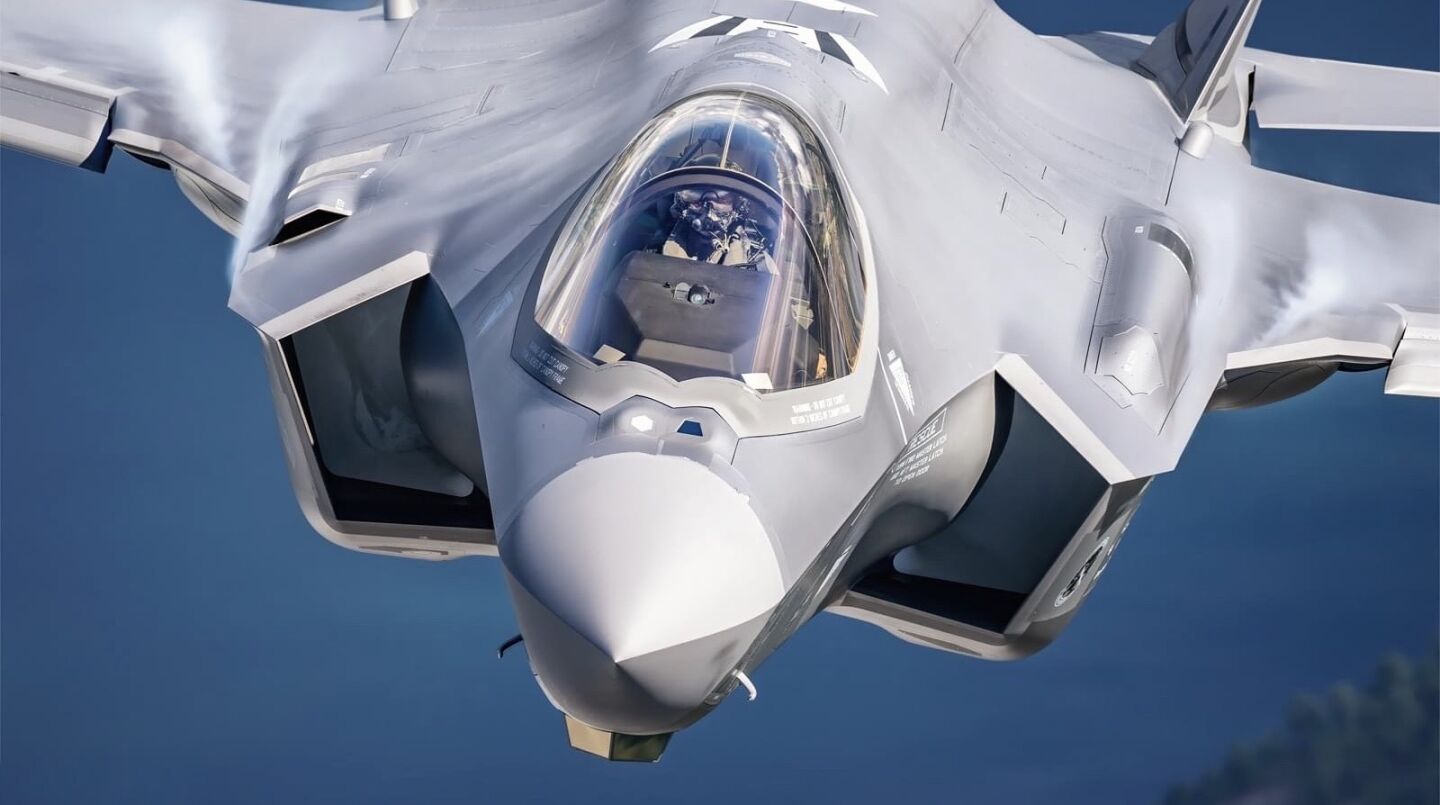
F-35 Fighter
United States intelligence officials have warned that a proposed $24 billion sale of F-35 fifth generation fighters to Saudi Arabia could create opportunities for China to obtain sensitive military technologies, according to internal assessments cited by The New York Times. The warnings come as Washington moves forward with the proposed sale despite concerns over the Arab Kingdom’s expanding military, technological and defence relationship with Beijing. Saudi Arabia is the first non-developed economy to be permitted to procure the F-35, marking a major turning point for the program.
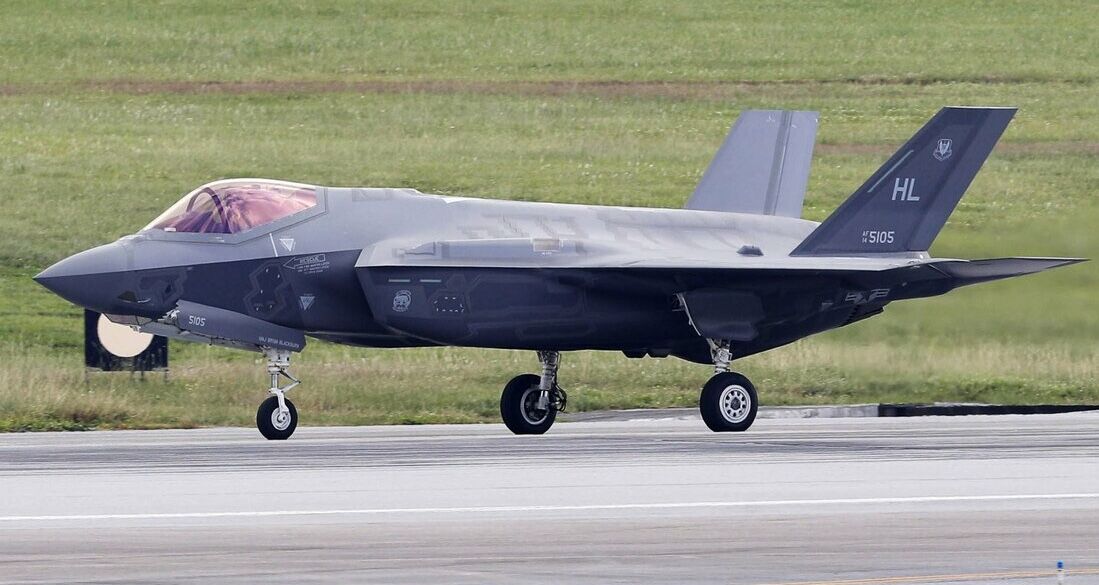
Intelligence concerns centre on the possibility that Chinese intelligence services could gain access to F-35 technologies through espionage in Saudi Arabia or through the kingdom’s increasingly close military and technological relationship with Beijing. A detailed assessment produced by the Pentagon’s Defense Intelligence Agency has examined Chinese military access to Saudi bases and the use of Chinese telecommunications technology within the kingdom. According to officials familiar with the assessment, the Agency questioned whether the United States and Saudi Arabia would be able to maintain sufficiently secure facilities for F-35-related technology. Particular concern has reportedly been directed towards the aircraft’s advanced radar and surveillance systems, which would be among the most sensitive technologies transferred to Saudi Arabia as part of the program.
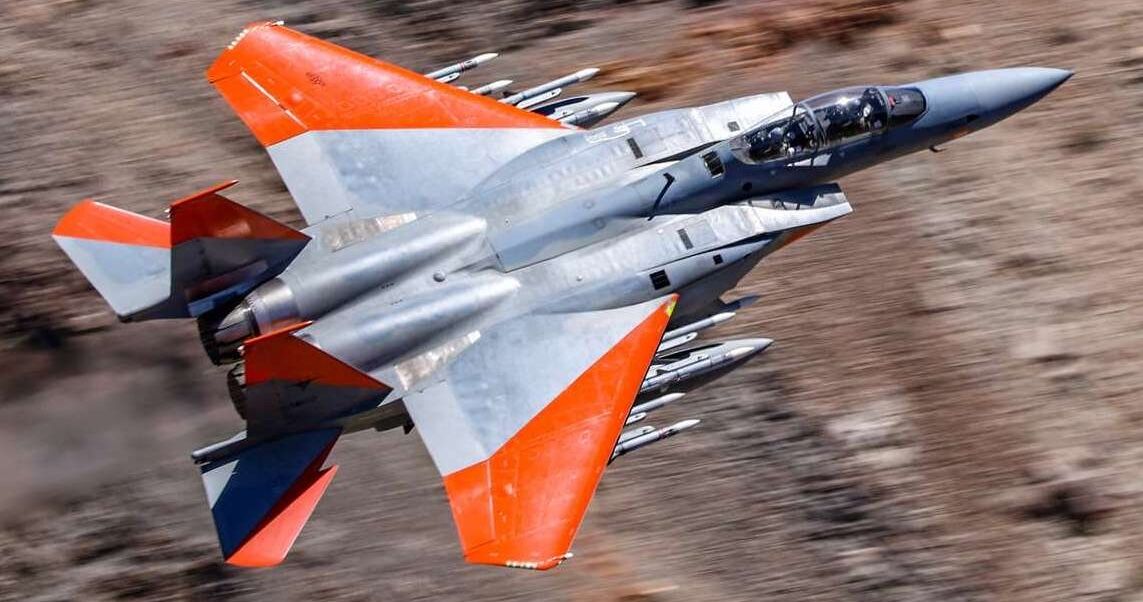
The assessment has recommended that access to facilities containing F-35 technology be restricted to Saudi and American personnel and contractors. It also raised the broader question of whether Riyadh would agree to restrict contact between Chinese military and intelligence personnel and sites associated with the F-35 programme. Chinese telecommunications equipment represents another area of concern. The DIA reportedly questioned whether Saudi Arabia would remove equipment supplied by Huawei and ZTE from telecommunications and router infrastructure associated with F-35 facilities and defence installations.
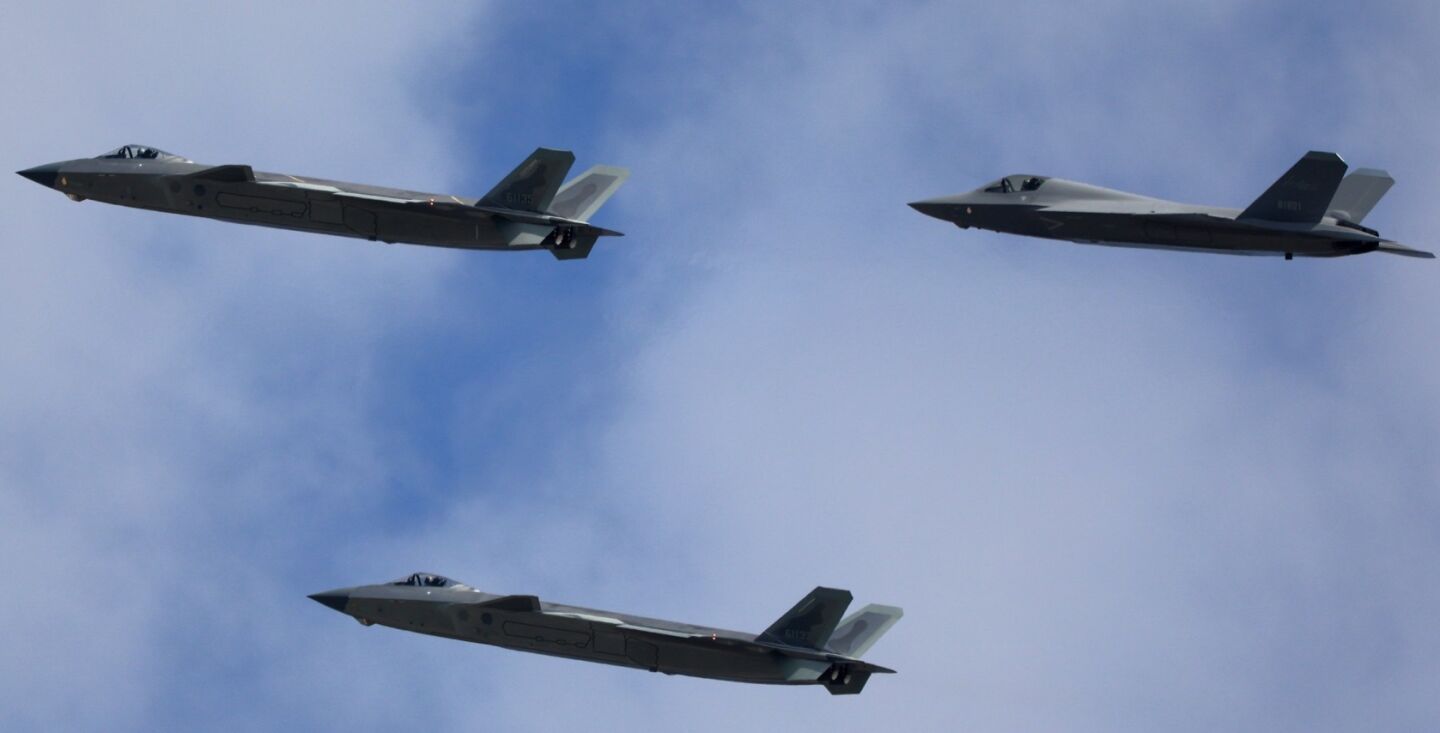
The compromising of technologies associated with the F-35 could be particularly detrimental to the Untied States due to the unprecedented extent to which the U.S. and its strategic partners rely on the fighter type. While China is currently serially production two separate fifth generation fighters developed under the J-20 and J-35 programs, and is expected to bring two separate sixth generation fighter types into service in the early 2030s, for the U.S. and wider Western world the F-35 will remain their only fifth generation fighter for the foreseeable future. Until the F-47 sixth generation fighter’s expected service entry in the 2040s, the F-35 will remain the only Western fighter type with advanced stealth capabilities and avionics needed to go head to head with advanced Chinese fighters, with the lack of other similarly advanced fighter types in production in the Western world making it particularly sensitive.
