U.S. Establishes Forward Fighter Alert in Alaska as China and Russia Rapidly Strengthen Bomber Capabilities
Military Watch Magazine Editorial Staff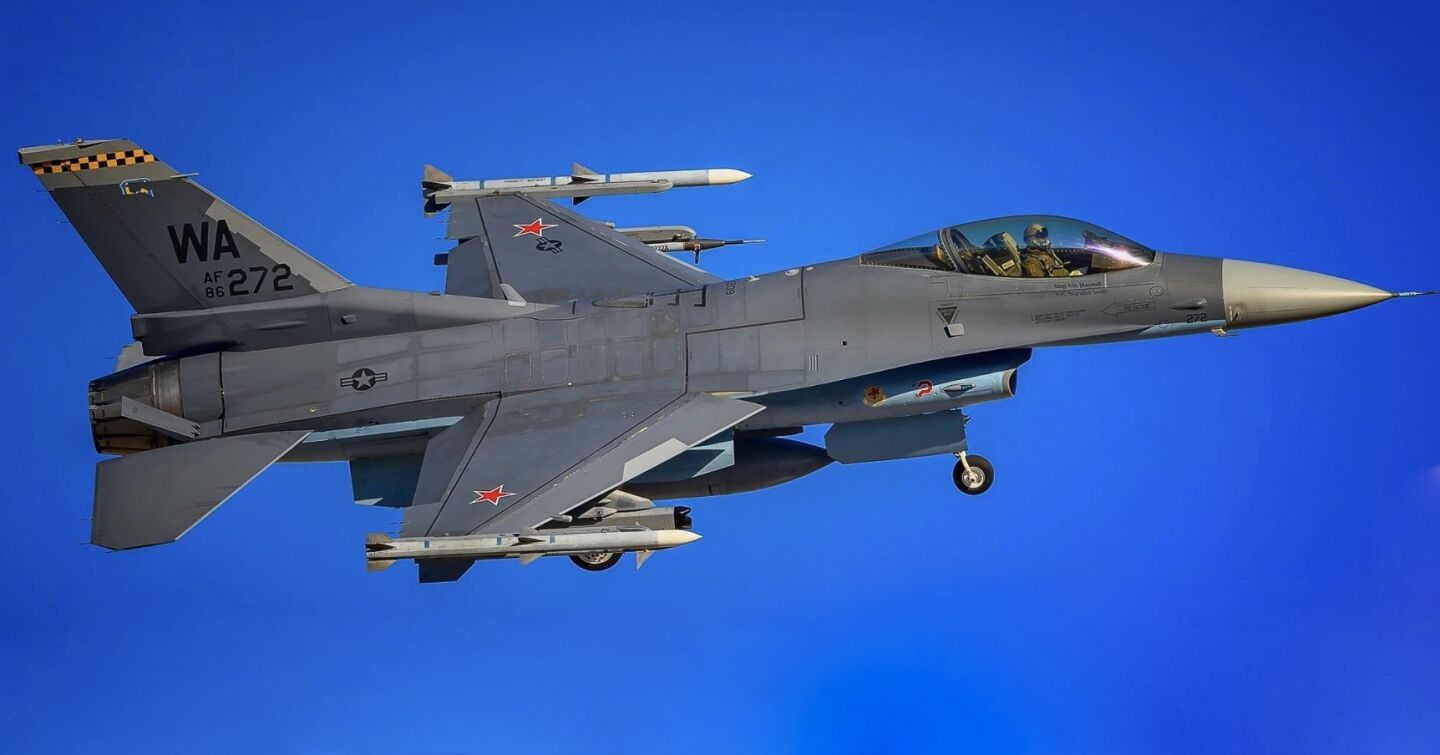
U.S. Air For
The U.S. Air Force has returned fighter aircraft to an air defence alert posture at Eareckson Air Station on Shemya Island in Alaska’s remote Aleutian Islands for the first time since the 1990s. The deployment, which took place from October 18 to 26, 2026, saw F-16 lightweight fourth generation fighters maintain an alert posture while operating from one of the United States’ westernmost military outposts. The move highlights the growing strategic importance of the North Pacific and Arctic approaches amid intensifying military competition with Russia and China. The deployment culminated in an air defence mission involving U.S. and Canadian fighters operating across a vast area of the North Pacific.
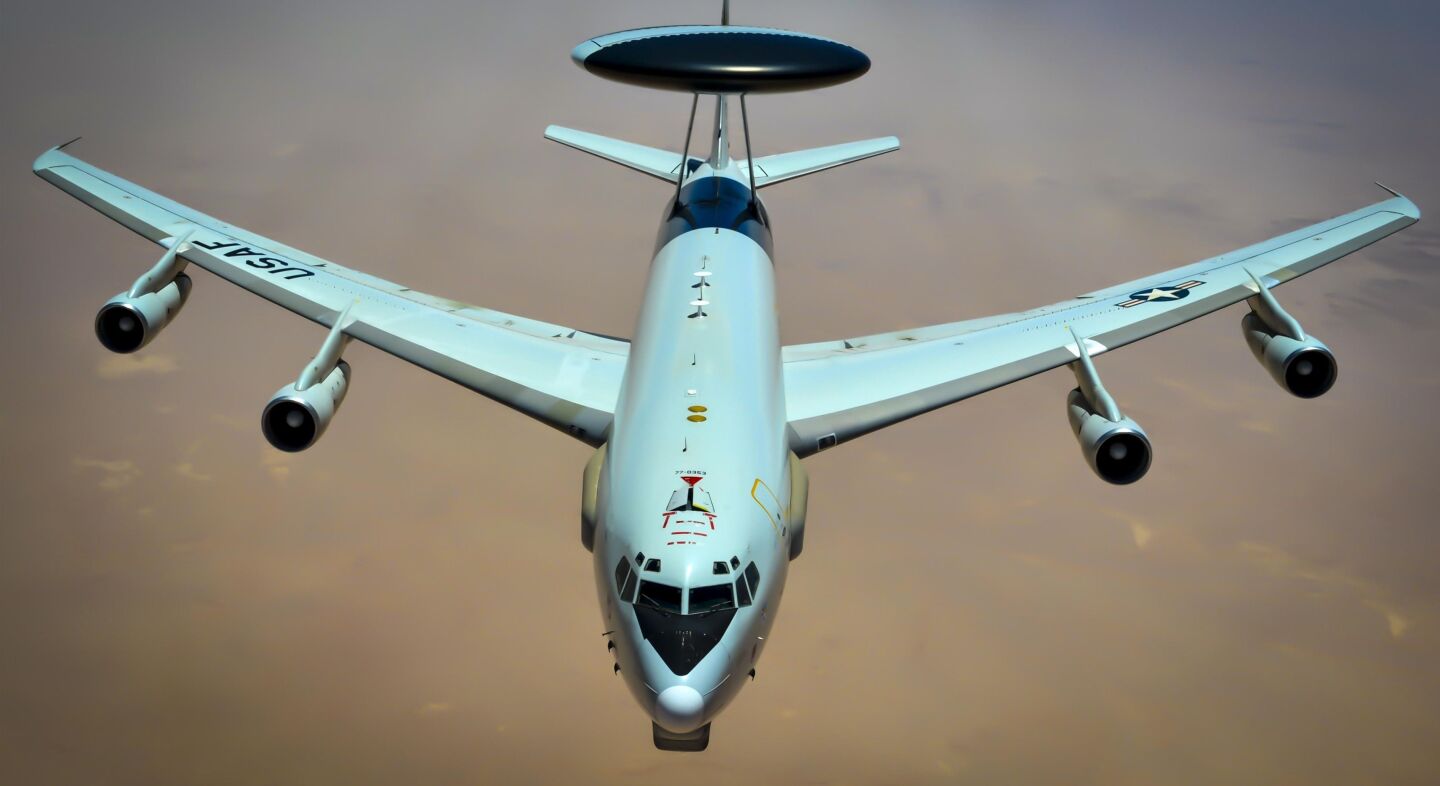
The operation also involved an E-3 Sentry airborne warning and control system aircraft from Joint Base Elmendorf-Richardson, multiple U.S. KC-135 Stratotanker aerial refuelling aircraft, and a Canadian CC-150 Polaris tanker. This support is considered particularly vital for the F-16, which integrates one of the smallest and weakest radars of any fourth generation fighter type, and has one of the shortest ranges. The return to an alert posture marks a significant change from the base’s recent role. During the Cold War, Eareckson supported fighter detachments, including F-4 and F-15 air superiority fighters, tasked with air defence missions against Soviet aviation. While the F-4 has been retired from service, and the F-15 fleet has contracted sharply since the end of the Cold War, F-16s have been relied on much more heavily despite their drawbacks due to their much lower sustainment costs and maintenance needs.
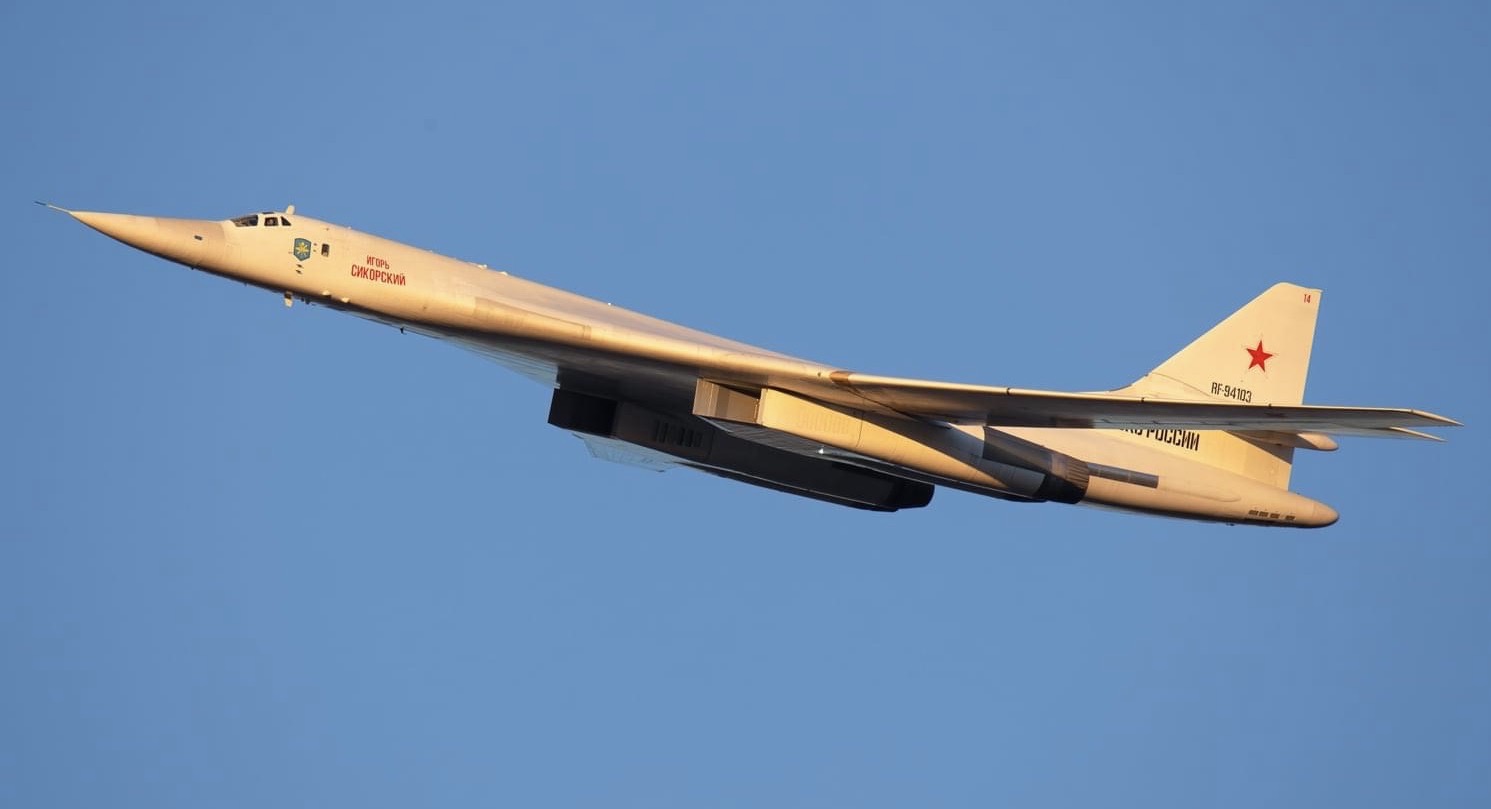
The resumption of operations at Eareckson Air Station has occurred as the challenge to U.S. defences posed by Chinese and Russian strategic bomber operations is poised to increase significantly. Although Russia’s PAK DA next generation stealth bomber program has suffered from extreme delays, the Tu-160 which saw production end with under 20 in service when the USSR disintegrated has resumed production as the enhanced Tu-160M variant, while a wide range of new munitions types promise to provide the aircraft with further improved strike capabilities. In July 2024 the Chinese People’s Liberation Army for the first time deployed H-6 strategic bombers for operations off the coast of Alaska, with the medium range aircraft operating from bases in Russia, and possibly with aerial refuelling support. The H-6 integrates one of the most diverse and advanced ranges of air-to-surface missile types in the world, with the H-6N variant also able to strike Alaska from bases in mainland China with minimal aerial refuelling support.
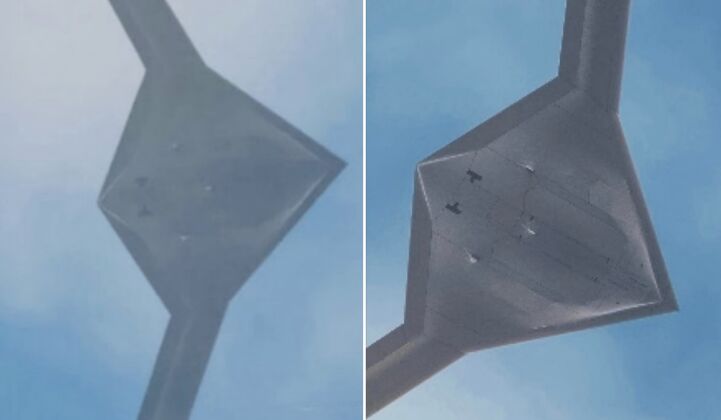
The primary challenge from hostile strategic bombers is expected to stem from the China’s development of at least one type of intercontinental range strategic stealth bomber, which will not only significantly improve the range of China’s airborne strategic forces, but also its survivability and penetrative capabilities. On October 19, 2025, the first images were released showing a Chinese intercontinental range heavyweight stealth drone in flight, representing a major landmark in efforts to expand the reach of the People’s Liberation Army across the Atlantic and into the Arctic. The F-16 and E-3 are both ill suited to countering the challenges posed by such aircraft, although funding for the procurement of more advanced AEW&C systems and fighter aircraft has remained limited. The replacement of these aircraft with F-15EXs and E-7s respectively would provide a much more advanced defence posture, with the E-3’s sensors considered long past obsolescence for operations against advanced stealth aircraft.