
Russia’s Developed a New Technological Base to Enhance its Most Heavily Armed Combat Jets
Military Watch Magazine Editorial Staff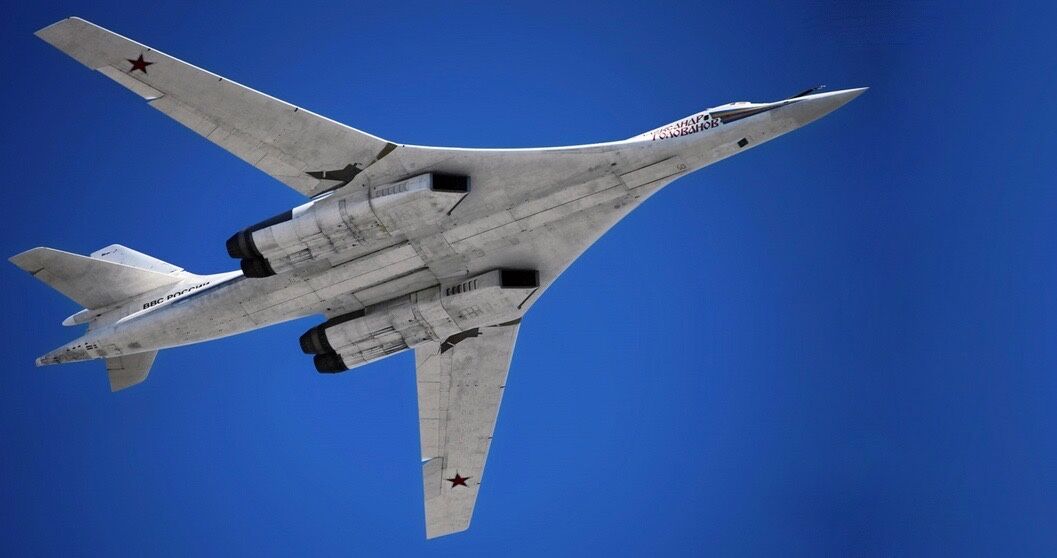
Russian Tu-160 Strategic Bomber
Russia’s defence sector has modernised approximately 80 per cent of the systems and equipment aboard its Tu-160 strategic bomber, according to Yuri Abrosimov, general director of Tupolev, as part of the Tu-160M program. “Outside, the Tu-160M has kept that same recognisable silhouette, but inside it was created on an entirely new technological base with active use of digital technologies. 80% of the systems and equipment were modernised,” said Abrosimov. The aircraft’s modernisation is intended to preserve the capabilities of the original supersonic bomber while introducing a substantially updated technological foundation. The program has also involved rebuilding industrial supply chains, modernising production facilities and introducing digital technologies to support both the modernisation of existing aircraft and the construction of new bombers.
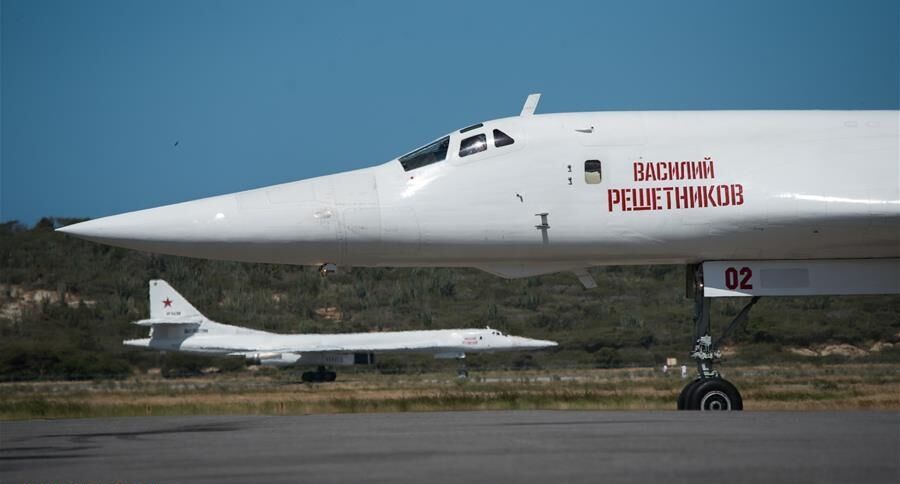
A key feature of the Tu-160M’s upgraded onboard architecture is its modular avionics, which are designed to allow individual systems to be replaced as newer technologies become available without requiring a comprehensive redesign of the entire suite. This approach could simplify future upgrades and allow the bomber to adapt to changing operational requirements over its service life. Abrosimov said the architecture would support the integration of newer equipment, although he did not identify specific planned additions or provide a timetable for further upgrades. The modernisation program builds on earlier upgrades that introduced new radar and communications equipment, digital cockpit displays, improved navigation systems and NK-32-02 engines.
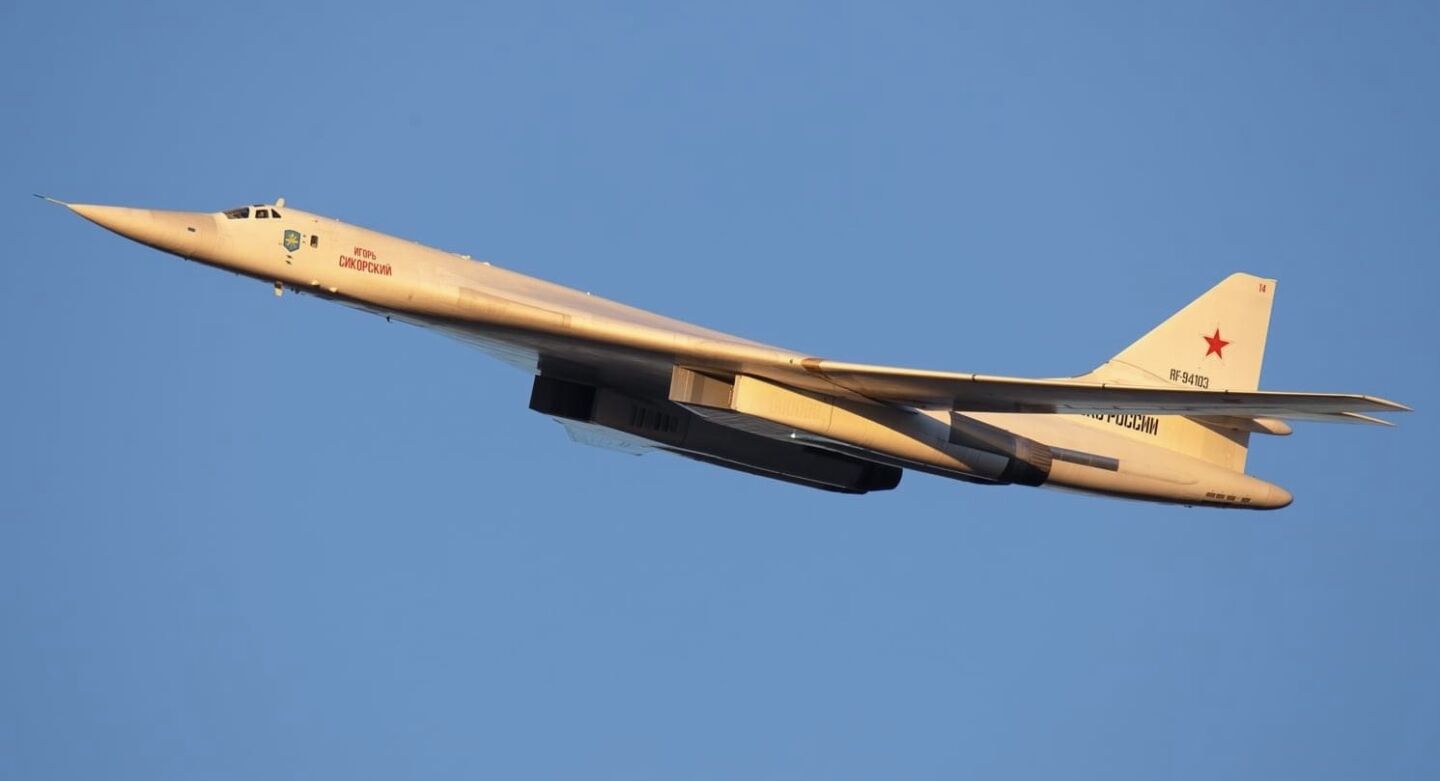
The original Tu-160 production system was developed during the Soviet era, when suppliers and design organisations operated within an integrated industrial network spanning multiple republics. Following the dissolution of the Soviet Union, that network fragmented, leaving Russia with the task of restoring manufacturing capabilities and rebuilding cooperation between suppliers to support renewed production. While production ended when the USSR disintegrated, work towards its revival from the mid-2010s has required considerable investments in new industrial infrastructure. Russia has upgraded workshop equipment and flight-test facilities at the Kazan Aviation Plant, where both new aircraft construction and the modernisation of existing bombers take place. The program has included the introduction of specialised equipment for electron-beam welding and vacuum annealing of titanium components, processes essential to manufacturing major structures for the large aircraft. These investments form part of a broader effort to re-establish the specialised production capabilities required to build the Tu-160M at scale.
