
U.S. Deploys Additional Patriot Batteries to Guard Energy Infrastructure in Saudi Arabia and Qatar
Military Watch Magazine Editorial Staff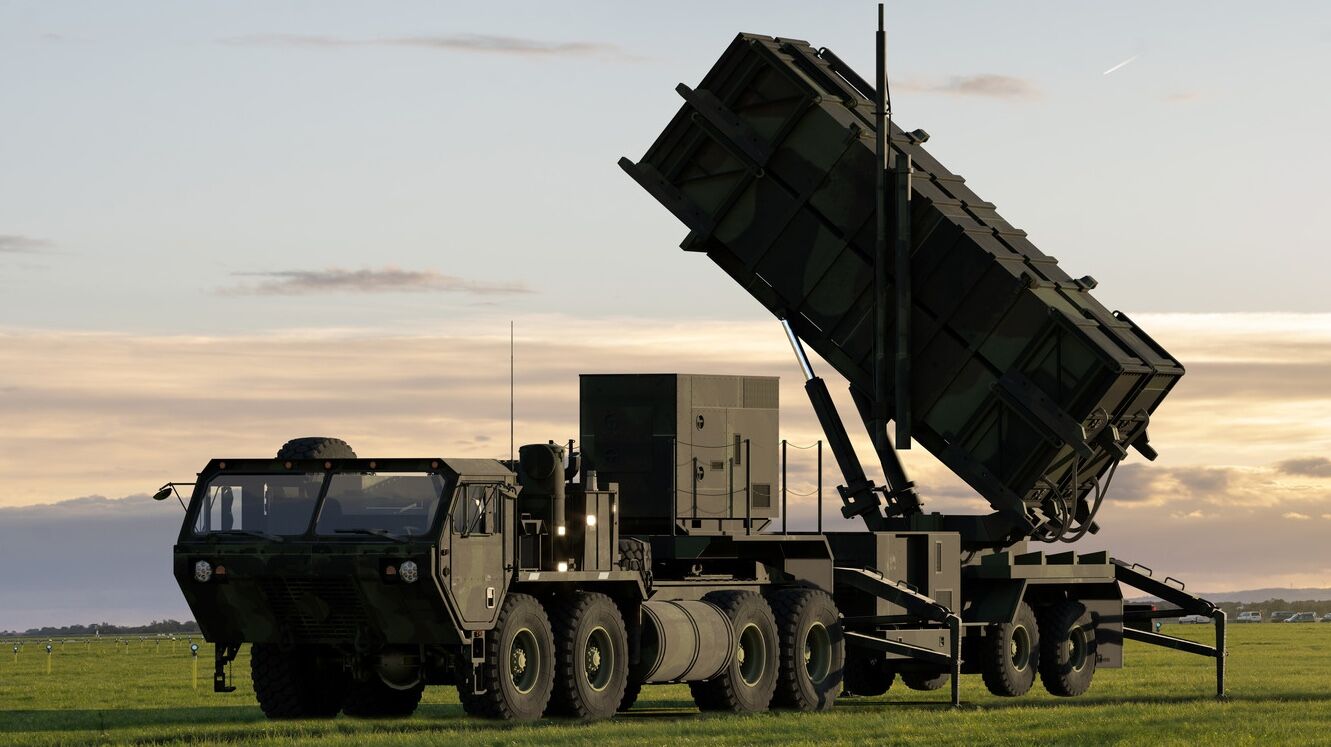
Launcher from MIM-104 Patriot System
The United States has deployed two additional MIM-104 Patriot air defence systems to Saudi Arabia and Qatar to protect key oil and gas infrastructure, amid growing concerns over a possible resumption of major military operations against Iran. According to the Israeli outlet Axios, citing two U.S. officials and a regional source, one system was sent to Saudi Arabia to defend a key oil facility, while another was deployed to Qatar to protect a natural gas installation. The deployments reportedly took place in September, and are intended in part to reassure Washington’s Gulf allies that their critical energy infrastructure would be protected if U.S. attacks on Iran were to resume.
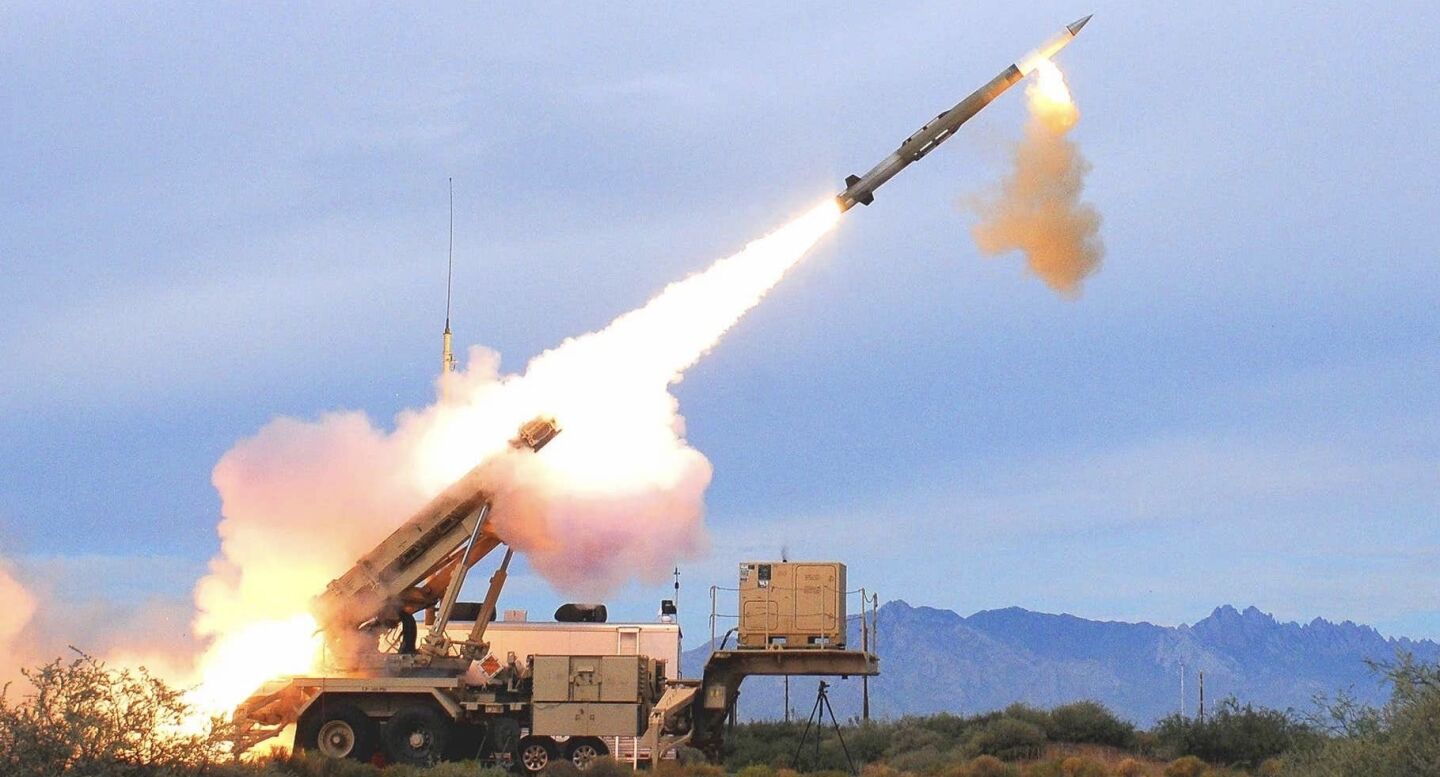
The protection of Saudi energy infrastructure has become particularly important amid intensified attacks by Yemen’s Ansurullah Coalition forces. On October 3, the coalition claimed to have targeted an Aramco facility in Riyadh with ballistic missiles and drones, while a Reuters witness reported seeing smoke and fire near an Aramco facility. Saudi authorities and Aramco had not immediately confirmed that the facility was struck. The additional Patriot deployments come amid a broader escalation across the region. The United States has been increasing its military presence in the Middle East with additional warships, aircraft and personnel, while President Donald Trump has indicated that renewed attacks against Iran remain possible.
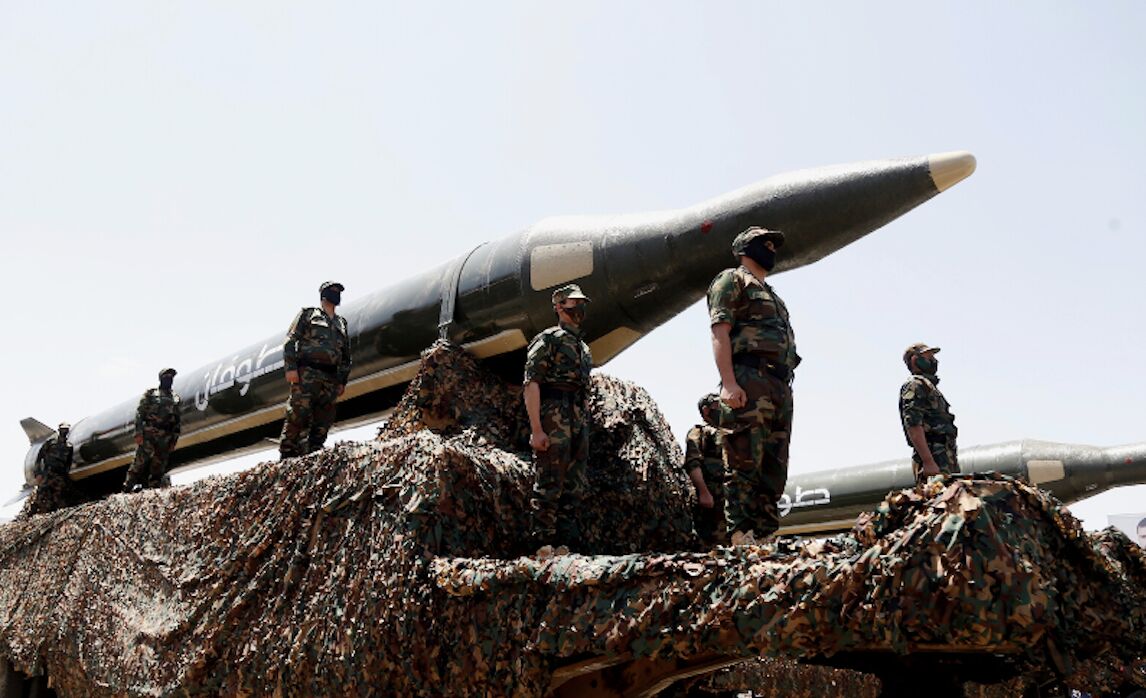
The latest incident followed a series of Ansurullah Coalition attacks and claimed attacks against Saudi energy infrastructure. In late September, the Houthis claimed to have targeted Aramco facilities in the Yanbu area. The threat to Yanbu is significant because the Red Sea port has become increasingly important to Saudi Arabia’s oil export system amid disruption around the Strait of Hormuz. Recent energy-sector analysis has identified the East-West Pipeline, which transports crude approximately 1,200 kilometres from Saudi Arabia’s eastern oil-producing region to Yanbu, as a major alternative route for exports that would otherwise pass through Hormuz.
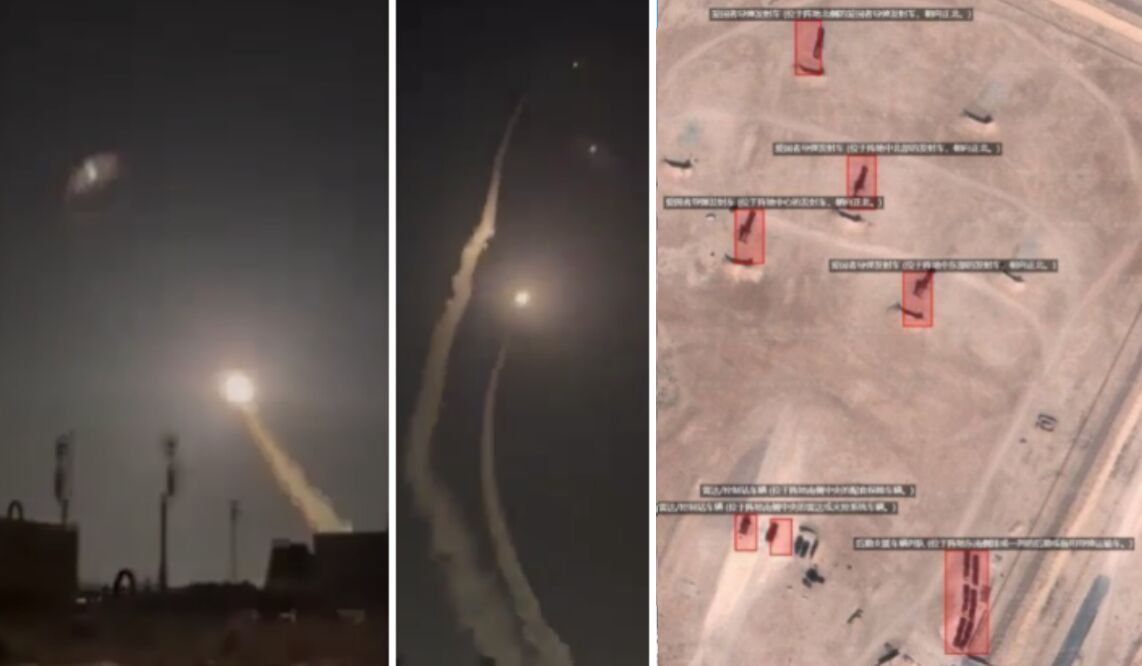
The U.S. initiated attacks on Iran in February with its arsenal of interceptors for Patriot systems already severely depleted, with stockpiles confirmed in July 2025 to have fallen to just 25 percent of the volume deemed necessary by the Pentagon. Multiple Western sources confirmed on March 5, 2026, that the U.S. Army had expended over 800 interceptors from Patriot systems during just five days of engagements with Iranian forces. The effectiveness of the PAC-3 has increasingly been called into question. In the initial hours of hostilities footage showed Patriot systems in Qatar consistently failing to intercept Iranian ballistic missiles, while footage in mid-March civilians filmed two Iranian ballistic missiles striking oil facilities at the United Arab Emirates port of Fujairah, and failed efforts by Patriot systems to intercept them.
