
U.S. Demonstrates B-2 Stealth Bomber’s Dispersed Forward Basing Capability in Hawaii For Faster Strikes on China
Military Watch Magazine Editorial Staff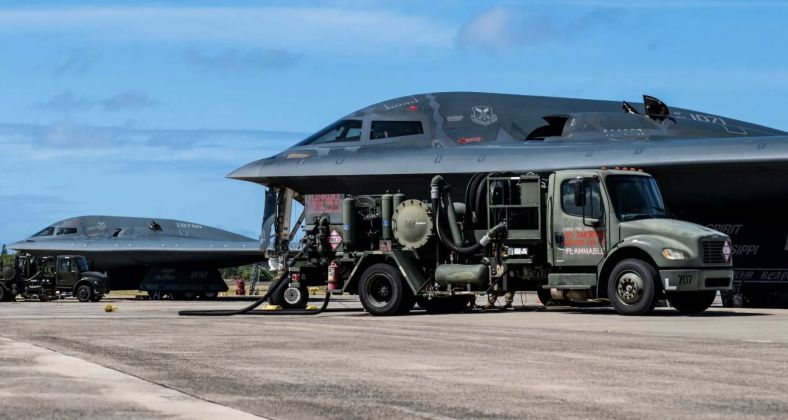
B-2 Bombers Hot-Pit Refuelling at Joint Base Pearl Harbor-Hickam
The U.S. Air Force has demonstrated the ability to rapidly refuel B-2 Spirit stealth bombers through hot-pit refuelling at Joint Base Pearl Harbor-Hickam, Hawaii, highlighting an increasingly expeditionary approach to employing America's strategic bomber force in the Pacific theatre. Conducted as part of a Bomber Task Force deployment, the exercise saw two B-2s land, refuel with their engines running, undergo inspections, and return to flight with minimal ground time. The operation forms part of the Air Force's broader Agile Combat Employment (ACE) concept, which seeks to disperse combat aircraft across multiple operating locations, complicating enemy targeting while increasing operational resilience.
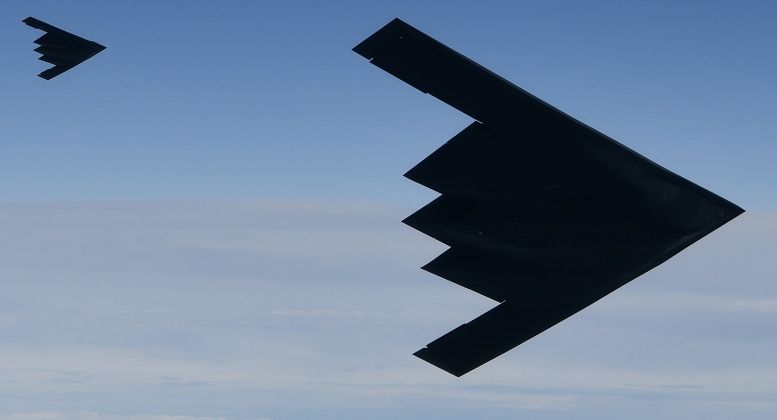
Unlike traditional bomber operations centred almost exclusively on Whiteman Air Force Base in Missouri, where all B-2s are permanently based, the demonstration showed that the B-2 can increasingly operate from forward Pacific locations. Hawaii occupies a critical position between the continental United States and East Asia, making it an ideal hub for supporting long-range operations toward the Western Pacific. The ability to rapidly service and relaunch stealth bombers from the island significantly reduces turnaround times while allowing aircraft to remain closer to potential operational theatres. The exercise also demonstrated growing confidence in maintaining and operating one of the world's most complex combat aircraft outside its permanent home base.
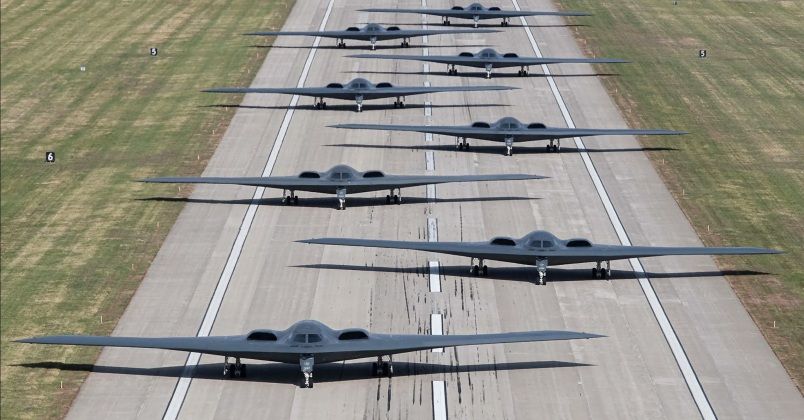
Hot-pit refuelling itself is a demanding procedure requiring fuel specialists, maintainers, pilots and safety personnel to work around an aircraft whose engines remain operating throughout the refuelling process. Although long practised on tactical fighters, demonstrating the technique on the B-2 is particularly significant because of the aircraft's unique maintenance requirements and its importance within the U.S. strategic deterrent. By minimising time on the ground, the Air Force reduces the aircraft's vulnerability while increasing the number of sorties it can generate during sustained operations. The concept also aligns closely with efforts to create a distributed network of Pacific operating locations capable of supporting bomber operations during a conflict with China.
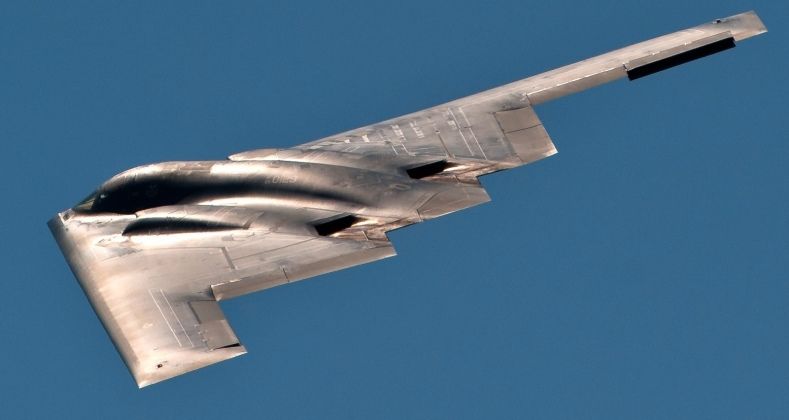
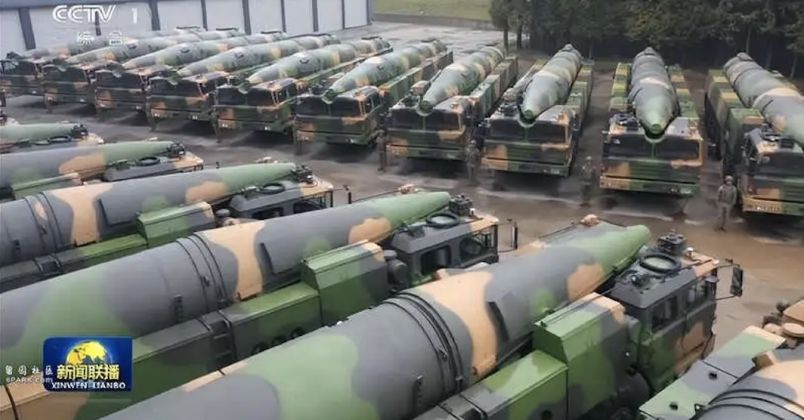
The exercise reflects a broader shift in the U.S. Air Force’s strategy as increasingly sophisticated Chinese missile forces threaten traditional large fixed airbases throughout the Pacific. Rather than concentrating bombers at a handful of predictable locations, the Air Force intends to disperse aircraft among numerous bases where they can be rapidly refuelled, rearmed and redeployed. This greatly complicates an adversary's targeting problem while reducing dependence on any single installation.
Despite remaining America's premier penetrating strategic bomber, however, the B-2 suffers from significant shortcomings that increasingly constrain its operational value. The most fundamental limitation is the extremely small size of the fleet. Only 20 serial production aircraft were ever produced, after procurement was dramatically cut from an original requirement for 132 bombers following the end of the Cold War, of which three were lost in crashes leaving 17 plus a converted prototype in service. Maintaining its low observable characteristics requires specialised climate-controlled hangars, highly trained maintenance personnel and extensive post-flight inspections, which makes it poorly suited for distributed operations.
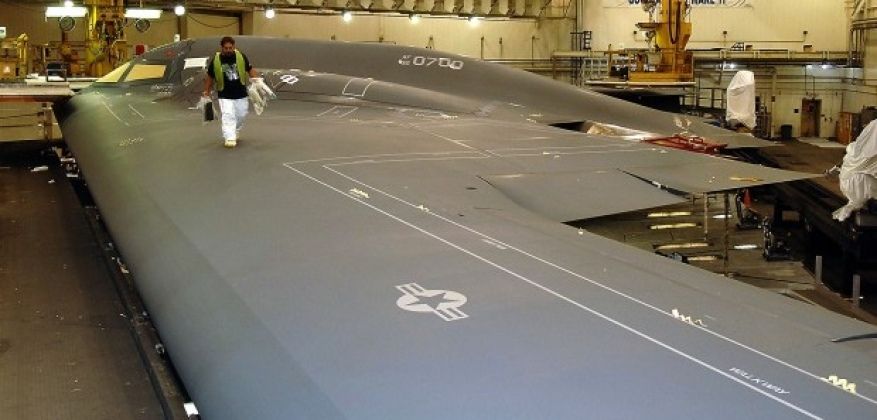
Although repeatedly modernised, the aircraft also reflects technology developed during the late Cold War. Its underlying avionics architecture dates back to the 1980s, requiring continual upgrades to remain relevant against evolving air defence systems. Modernisation programmes have improved communications, navigation, weapons integration and defensive systems, but they cannot entirely overcome the limitations of an aircraft conceived more than four decades ago. The aircraft’s very high maintenance needs and low availability rates have seriously limited its utility particularly for sustained high intensity operations, as demonstrated by the fleet’s very limited ability to contribute to the war effort against Iran which the U.S. initiated on February 28.
