U.S. Air Force Shortages of Stealth Bombers, Tankers and Munitions Highlighted After Strikes on Iran
Military Watch Magazine Editorial Staff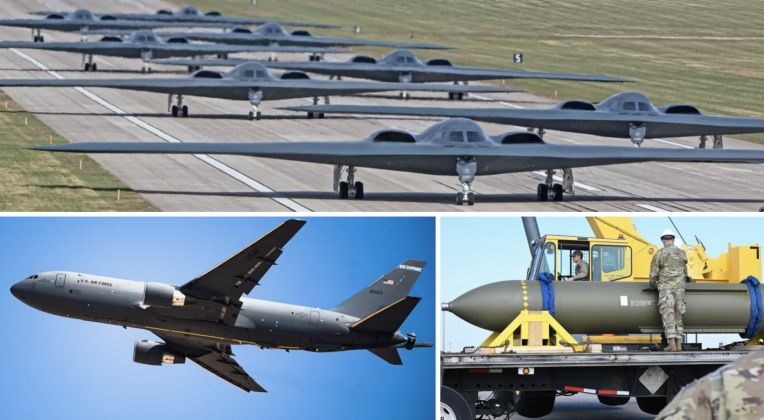
B-2 Bombers, KC-46 Tanker, GBU-57 Bomb
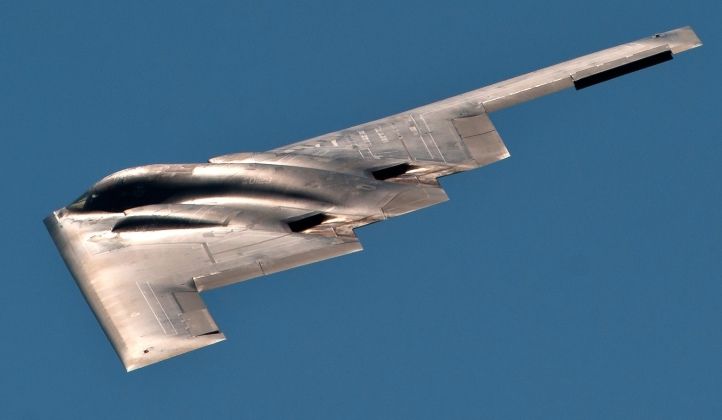
Following the U.S. Air Force’s launch of an unprecedented deep penetration bomber strike against Iranian nuclear sites in June 2025, which was carried out by B-2 strategic bombers based at Whiteman Air Force Base in Missouri, questions have been raised regarding the service’s ability to stage more extended campaigns of similarly long-range strikes. Operation Midnight Hammer employed 125 aircraft, including multiple refuelling tankers, and four type of fighter including the F-35, F-22, F-16 and F-15, which provided escort support and reportedly helped suppress Iranian air defences to allow the B-2s to operate more safely in hostile airspace. Although the operation was considered successful, albeit with little certainty regarding the actual state of the targeted nuclear sites, it also served to highlight the severe limitations of American long range strike capabilities beyond the launching of limited single attacks like that on June 21-22.
Highlighting prevailing concerns, deputy commander of Air Force Global Strike Command and Air Forces Strategic-Air at U.S. Strategic Command Lieutenant General Jason Armagost warned that correct lessons needed to be learned not only regarding the necessary size of the intercontinental range stealth bomber fleet, but also the size of the tanker fleet. “The first thing I worry about when something like a Midnight Hammer starts to take shape is what does the tanker force looking like, what’s the position of it, and how do we posture in the world to actually do this… It’s not an easy thing,” he stated. Chief of Weapons and Tactics at Air Forces Central Major Claire Randolph, who was one of the planners for the operations, similarly observed: “I worry a lot about the tankers… I think—because it’s not sexy, it’s not a weapon, and it’s not a fighter and it’s not a bomber—the tankers are often really left out in this conversation.”
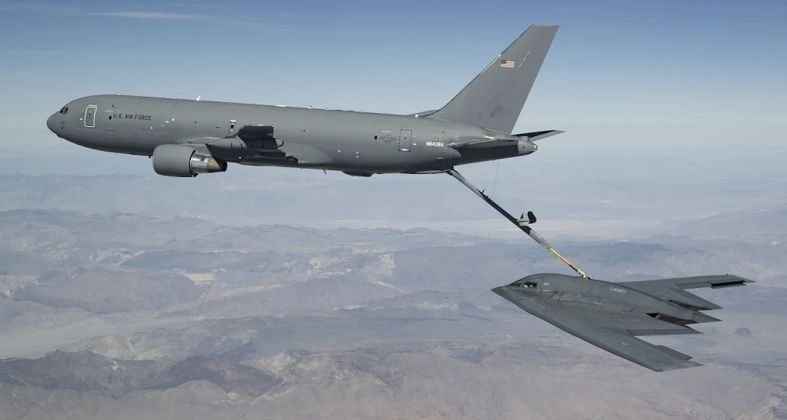
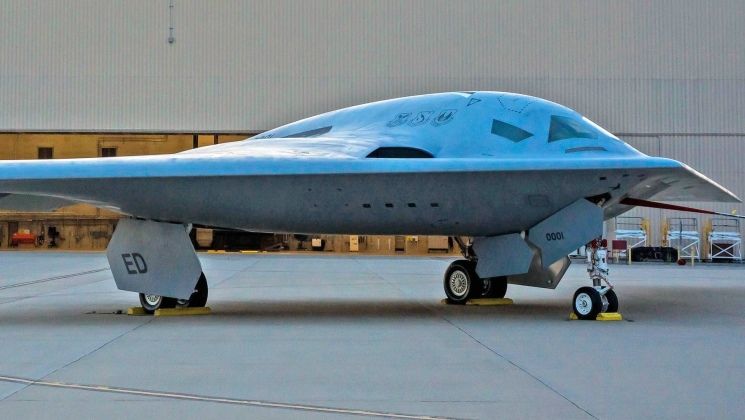
While the Air Force currently fields under 20 B-2 bombers, which have notoriously high maintenance needs and low availability rates, it is expected to procure 100-200 B-21 next generation stealth bombers. This is expected to allow for a more sustained campaign of intercontinental range strikes, where by contrast it was likely that the Air Force would have been unable to launch further sustained stealth bomber attacks on Iran after the B-2 bombers returned from their single sortie on June 22. Nevertheless, the B-21 is a significantly lighter aircraft that not only carries significantly less ordinance, but is also far shorter ranged, and thus more reliant on tanker support to extent its range to reach further targets.
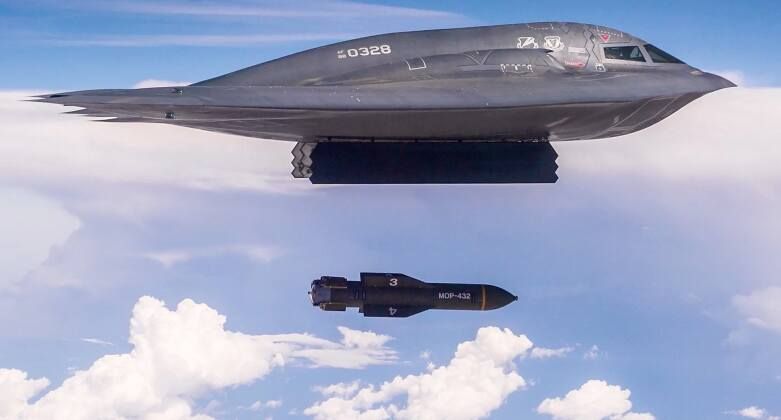
Operation Midnight Hammer further highlighted challenges stemming from limitations of available munitions in the Air Force, with Major Randolph warning future operations will likely need munitions that can penetrate deeper to destroy facilities buried further underground than the B-2’s GBU-57. Seven B-2s dropped 14 GBU-57 bombs on June 22, which are the largest bombs in the world, and can reportedly penetrate 60 metres underground during the attack. Public records suggest as few as 20 of these bombs were purchased, with the need for multiple bombs to strike particularly well hardened targets raising questions regarding the Air Force’s operational flexibility. The significant possibility that these bombs have also been used to strike Ansurullah Coalition forces in Yemen in 2024 may have left the arsenal further depleted. The possibility of the Air Force developing a successor to the GBU-57 that is significantly lighter to be carried by the B-21, and procuring it in much greater numbers, thus remains significant.