
U.S. B-21 Next Generation Stealth Bomber Conducts First Weapons Launch as Service Entry Nears
Military Watch Magazine Editorial Staff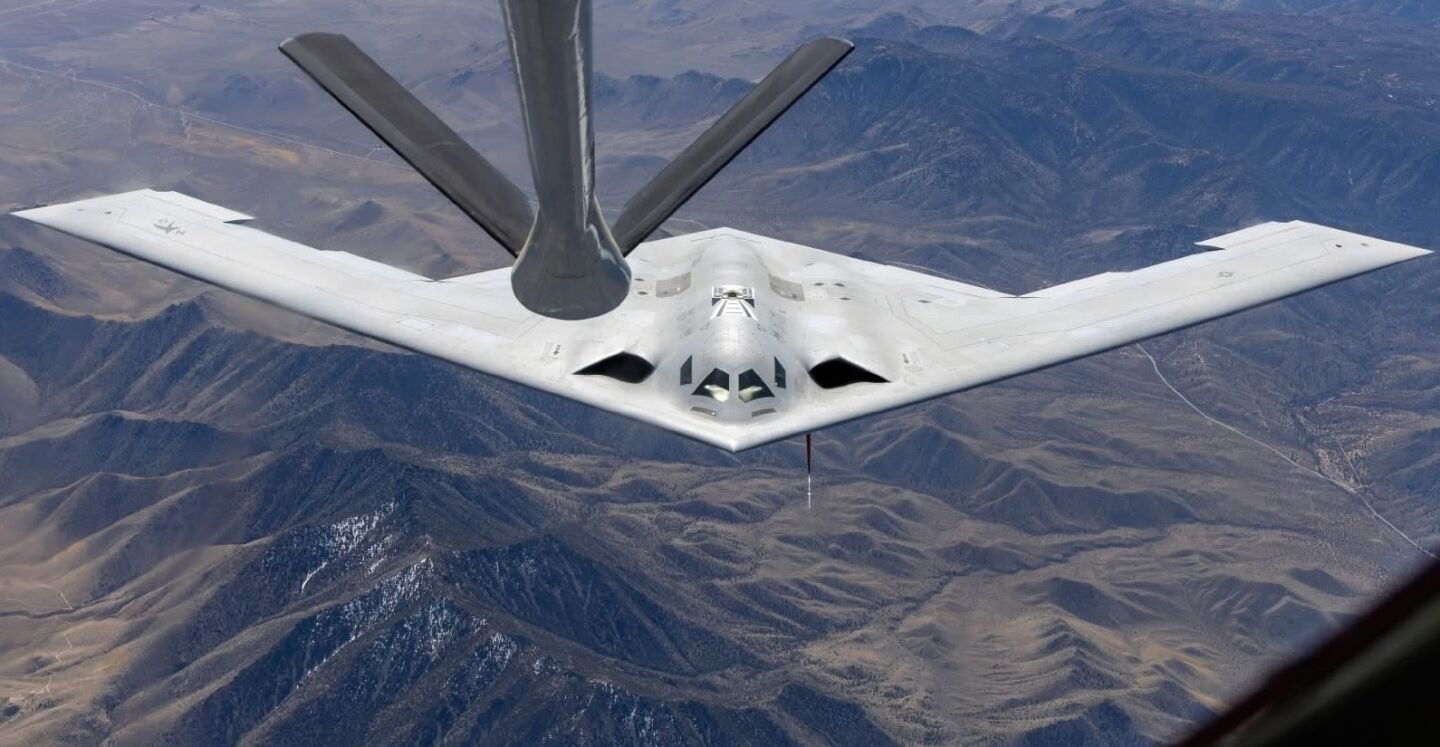
B-21 Strategic Bomber Prototype
The B-21 Raider next generation strategic stealth bomber under development for the U.S. Air Force has released a weapon for the first time, marking a significant milestone in the development of the aircraft as it moves beyond basic flight testing towards operational weapons integration. The test, conducted during the first week of November and announced on November 13, involved a B-21 test aircraft taking off from Edwards Air Force Base in California and releasing a conventional munition. The Air Force described the test as validating the bomber’s digital models and the maturity of its open systems architecture. Thousands of hours of virtual modelling using the B-21’s digital twin had helped accelerate the integration process, allowing engineers to predict and refine the weapon’s trajectory before the aircraft flew.
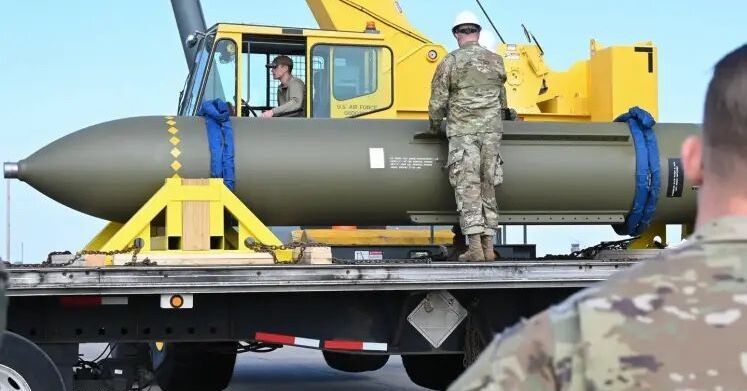
The B-21 has been developed to carry a broad range of weapons. Among its most important future armaments will be the AGM-181A Long-Range Stand-Off (LRSO) nuclear-armed cruise missile, which is intended to allow the bomber to attack targets from outside the engagement range of advanced air defence systems. While the B-52H and B-1B bombers currently in service rely heavily on air-launched missiles to engage targets from survivable distances, the B-21’s advanced stealth capabilities were designed to allow it to drop gravity bombs, which deliver ordinance much more efficiently and at a lower cost. Delivering bombs allows far more explosive payload to be dropped per sortie relative to missiles, while specialised penetrative bombs such as the GBU-57 can destroy fortified targets in ways that air-launched missiles lack the payload to be able to achieve.
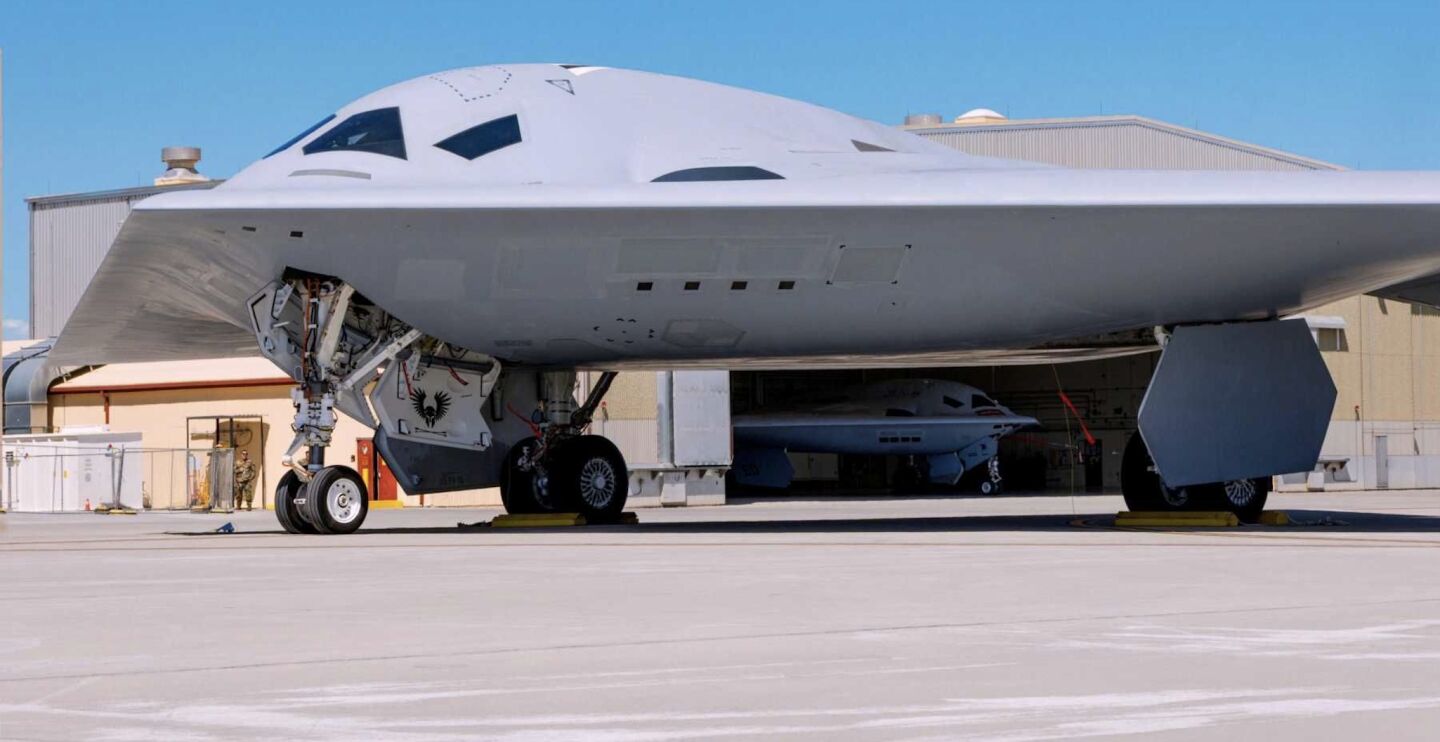
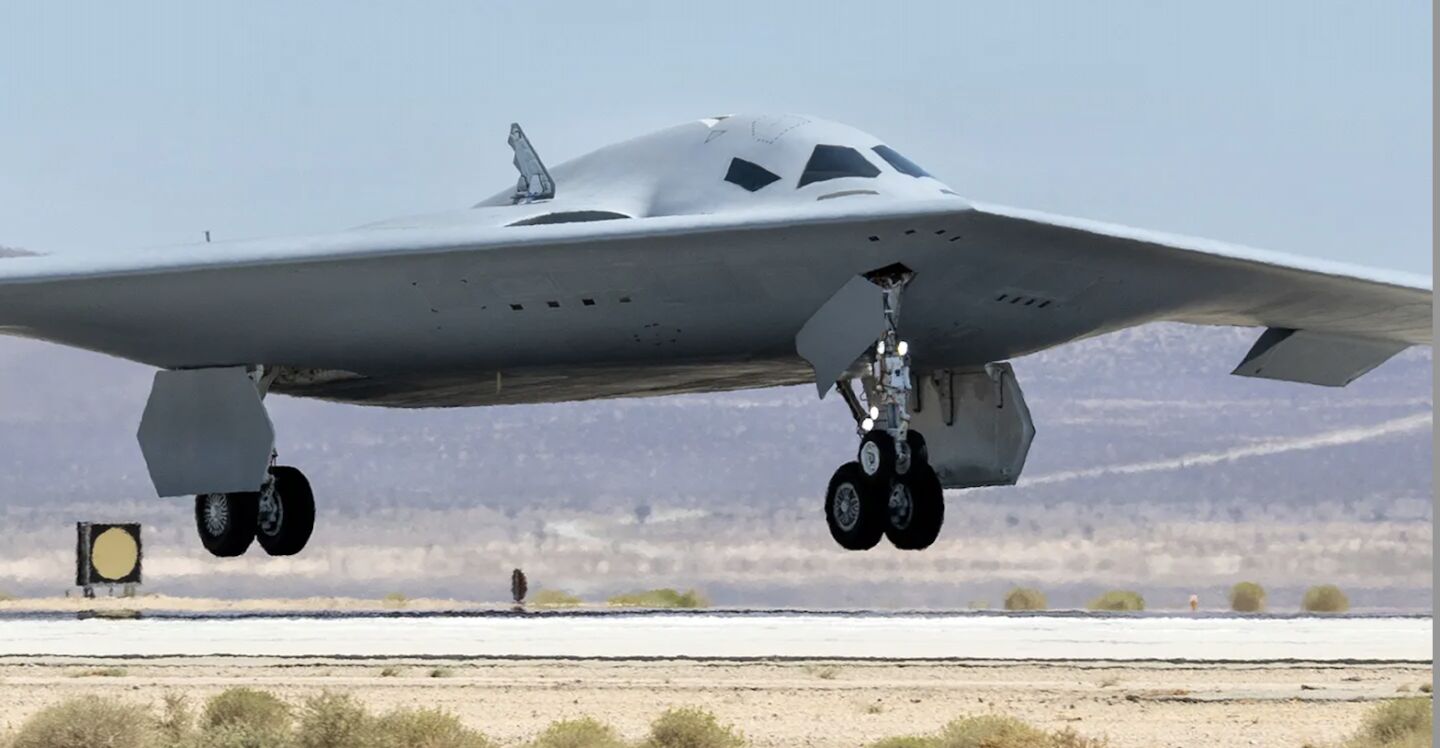
The Air Force currently has two flying pre-production B-21s assigned to the Combined Test Force at Edwards, out of a planned six-aircraft test fleet. Testing has progressively expanded to cover more demanding aspects of the aircraft’s intended mission, including aerial refuelling and the evaluation of its mission systems. The start of weapons testing is particularly important because it begins demonstrating the Raider’s ability to function as an operational strike platform rather than simply as an advanced flying prototype. Air Force officials have increasingly described the B-21 as a multi-mission platform, with the service recently confirming that it could potentially undertake air-to-air combat missions as well. Its stealth characteristics, sensors and data-sharing architecture could allow it to contribute to a wider range of operations than those traditionally associated with strategic bombers.
The B-21 program has gained greater urgency due to China’s development of its own intercontinental range stealth bomber, with new images in January showing what appear to be twin internal weapons bays that would confirm the aircraft is intended to serve as a long range bomber. A request for greater funding for the B-21 program in May followed an acceleration of development work from September 2025, when the Department of the Air Force confirmed the arrival of the second flight prototype at Edwards Air Force Base to effectively double its flight testing capacity. The Air Force was reported in late February to be nearing an agreement with the B-21’s primary contractor Northrop Grumman to accelerate the production.
