
B-21 Stealth Bomber Armed with Air-to-Air Missiles to Transform How the U.S. Air Force Fights
Military Watch Magazine Editorial Staff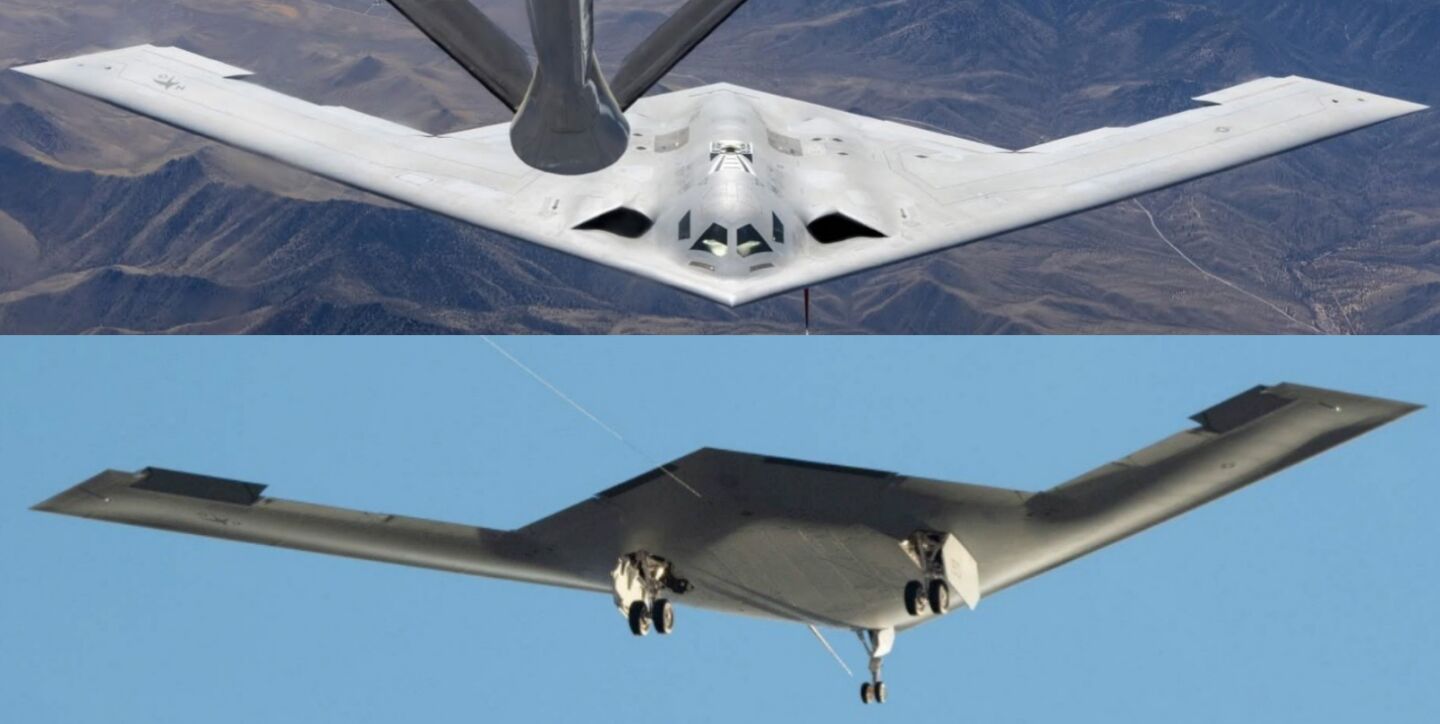
B-21 Strategic Bomber Prototypes
The U.S. Air Force has confirmed that B-21 Raider next generation strategic bombers could assume a substantially greater role in air-to-air combat, potentially carrying dozens of long-range missiles to supplement the firepower of conventional fighters. The concept is being examined as the service prepares for a potential high-intensity conflict with China, where advanced Chinese combat aviation capabilities and the distances involved in operations across the Pacific could place considerable pressure on American fighter forces. Air Force planners increasingly view bombers as potential contributors to air superiority missions rather than platforms restricted primarily to nuclear deterrence and long-range strikes.
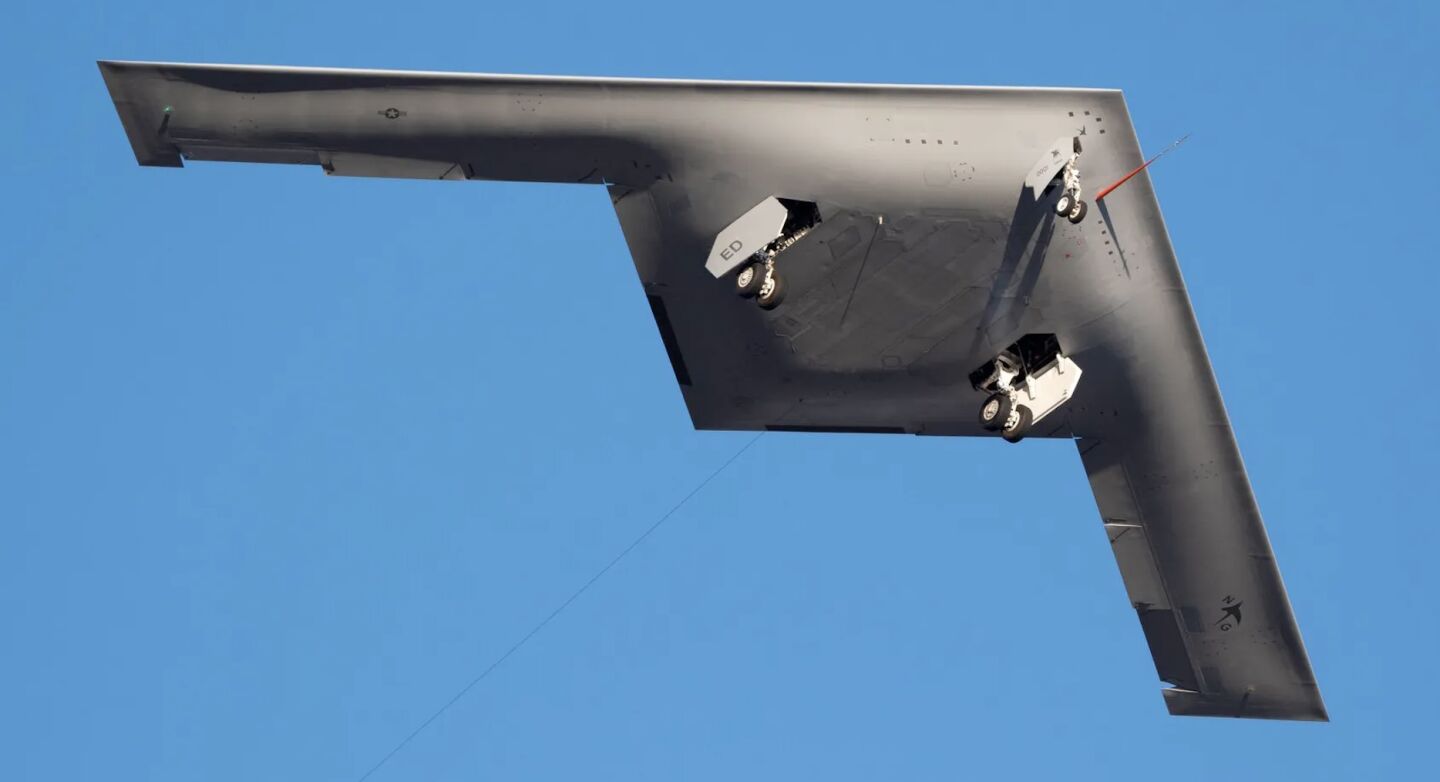
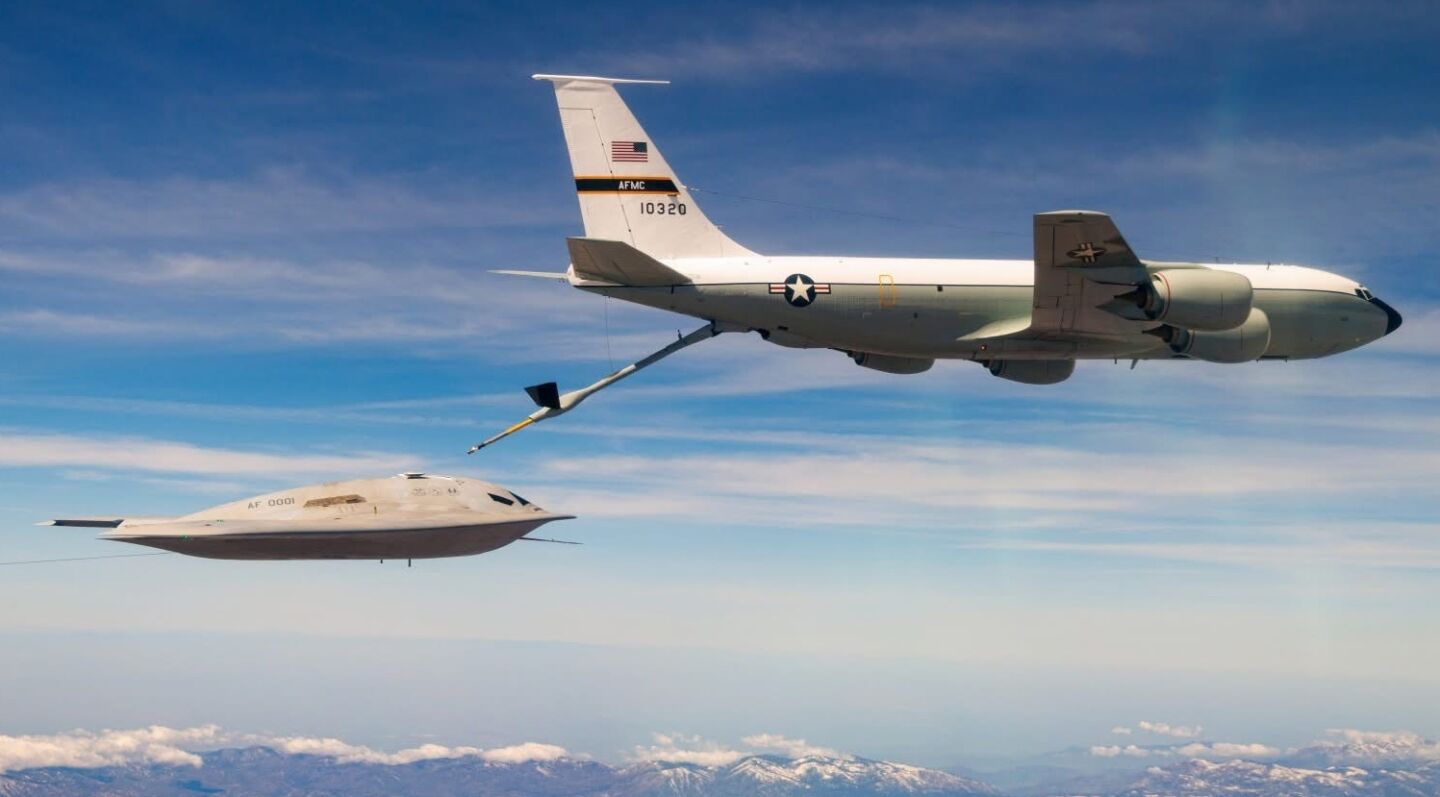
The concept centres on using large, stealthy aircraft as airborne missile carriers, with their weapons directed against targets identified by other platforms. Fighters such as the F-35A and future F-47 could detect and track enemy aircraft, transmitting targeting information to a bomber operating further behind the front line. The bomber could then launch long-range air-to-air missiles without necessarily needing to approach the engagement area itself, allowing the force to deploy a greater number of weapons against hostile aircraft than fighter fleets could carry independently. This concept has gained traction as the U.S. comes close to both operationalising the B-21, and has brought its first very long range air-to-air missiles of the post-Cold War era into service, namely the AIM-174 and AIM-424 which have both equipped U.S. Navy carrier-based units.
Officials have repeatedly indicated that the integration of air-to-air missiles onto the B-21 has received serious consideration, including during high-level wargames examining a conflict with China in the 2035 timeframe. U.S. Pacific Command reportedly requested that an air-to-air-capable B-21 be included in those exercises, while Air Force Global Strike Command also expressed interest in the possibility. Where prior generations of bombers were not considered survivable for air-to-air combat, as they can not only be detected and targeted at much longer ranges than fighters, but are also much less manoeuvrable, the B-21’s advanced stealth and electronic warfare capabilities are expected to make it survivable in beyond visual range engagements. The Air Force has nevertheless also examined the possibility of developing a new stealthy flying-wing aircraft specifically for this mission.
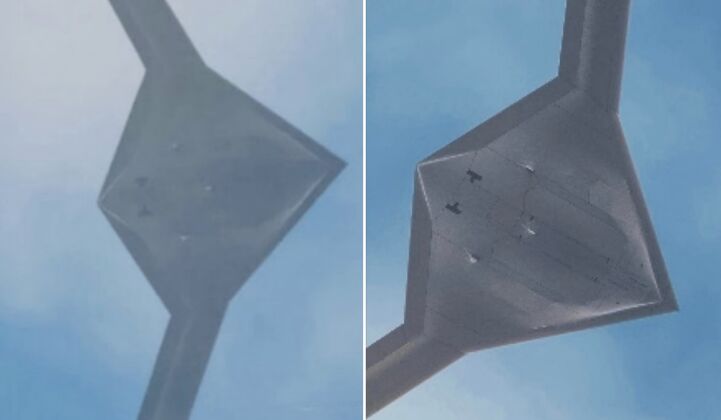
The U.S. Air Force’s recent decision to expand production capacity for the B-21 appears intended to pave the way for a significantly larger fleet than the current program of record, with analysts projecting that a fleet of close to 200 bombers could enter service. The limited ranges of U.S. Air Force fighters, with the F-22 and F-35 having approximately half the ranges of the rival Chinese J-20, could make relying more heavily on bombers an attractive option. Retaining defensive air-to-air capabilities would also allow bombers to operate without a fighter escort, which could be particularly valuable for deep penetration strikes launched beyond the ranges of fighter aircraft. As the United States falls behind China in sixth generation fighter development, maximising the advantages gained for its more advanced bomber programs could provide an invaluable opportunity.
