
U.S. Air Force Prepares for First B-21 Stealth Bomber Deliveries with Accelerated $2 Billion Airbase Upgrade
Military Watch Magazine Editorial Staff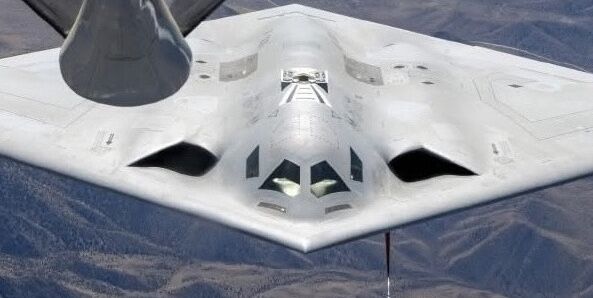
B-21 Bomber Prototype
The U.S. Air Force is accelerating a roughly $2 billion infrastructure programme at Ellsworth Air Force Base in South Dakota as it prepares to receive the B-21 Raider next generation intercontinental range strategic bomber. The scale of the construction effort reflects the substantial infrastructure required to support a penetrating strategic bomber whose low-observable characteristics, nuclear mission and advanced maintenance requirements differ considerably from those of the B-1B Lancer bombers currently operating from the facility. Ellsworth has been selected as both the B-21's first main operating base and the location of its Formal Training Unit, with the first operational aircraft expected to arrive in 2027.
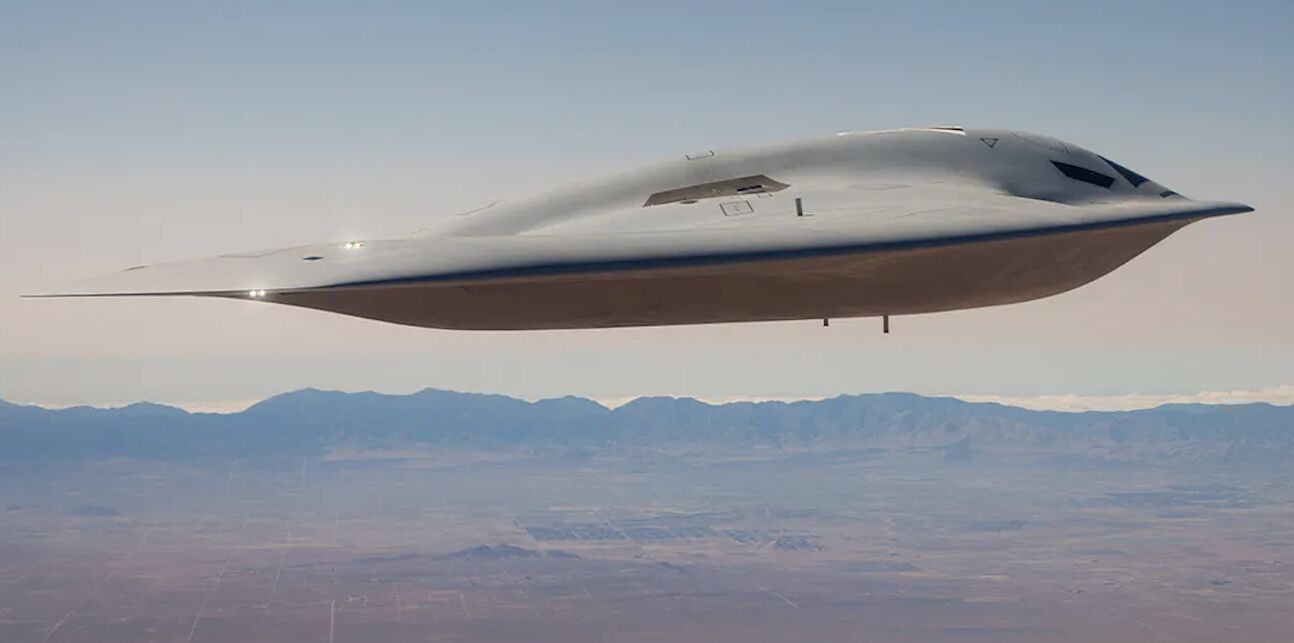
The Low Observable Restoration Facility is particularly important because maintaining the B-21's radar-evading characteristics requires specialised infrastructure. The facility allows technicians to inspect, clean and repair the bomber's radar-absorbent materials in a controlled indoor environment. This is intended to reduce aircraft downtime while ensuring that deterioration or damage to low-observable materials does not compromise the aircraft's signature. The Wash Rack and General Maintenance Hangar similarly provides infrastructure designed specifically for the B-21. The speed of the construction programme is increasingly important because the B-21 itself is progressing rapidly toward operational deployment.
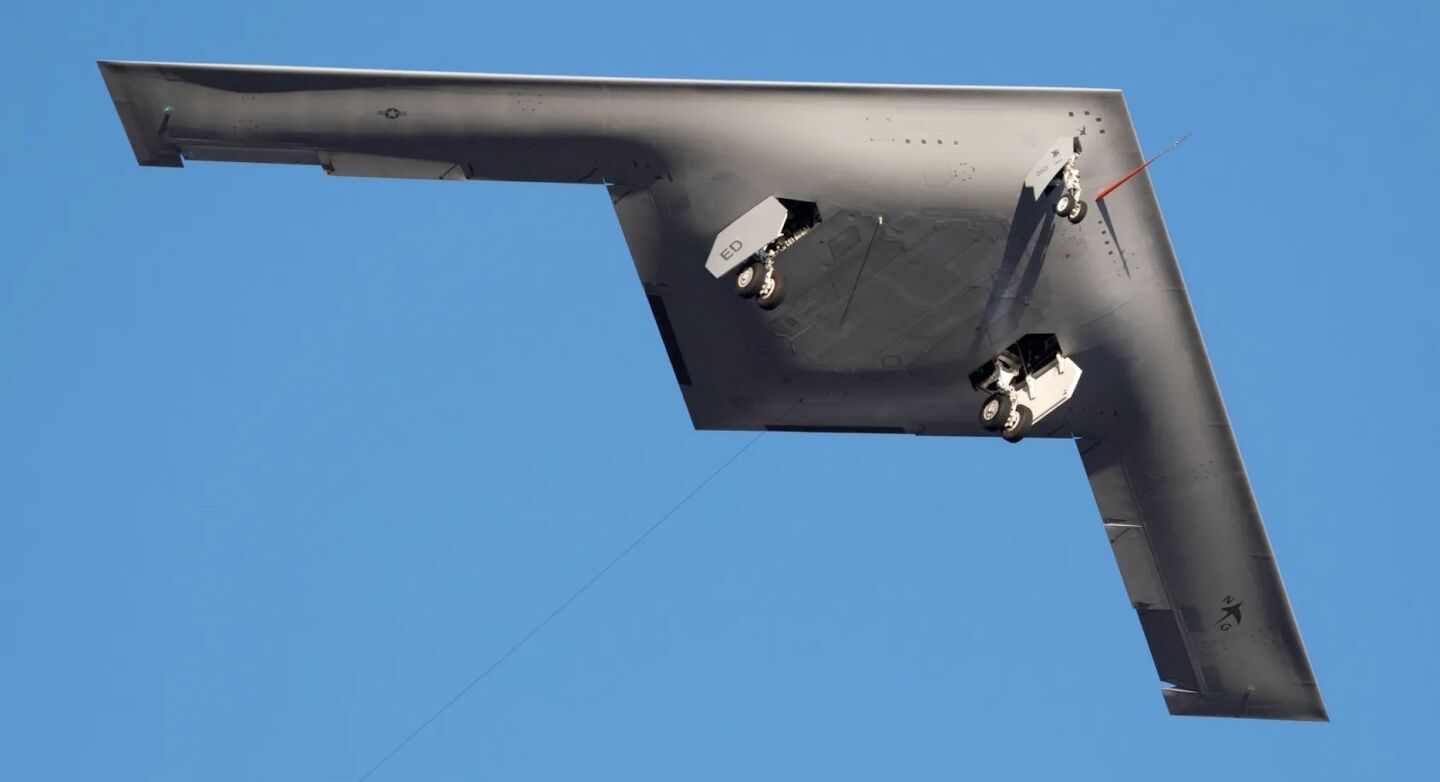
The Ellsworth programme also demonstrates how expensive the infrastructure surrounding advanced aircraft can become. The approximately $2 billion investment does not represent the cost of the bombers themselves, but of adapting an existing air base to operate a new weapons system. Specialised maintenance buildings, secure communications, mission systems, training facilities, aircraft support infrastructure and other construction projects are required before the B-21 can reach its intended operational capability. While infrastructure is being built at Ellsworth, B-21 aircraft continue flight testing at Edwards Air Force Base, including increasingly operationally focused evaluation. In June, the Air Force reported that an operational test pilot had flown the aircraft alongside a developmental test pilot, marking a transition toward assessing combat employment, weapons integration and survivability rather than simply basic flight characteristics.
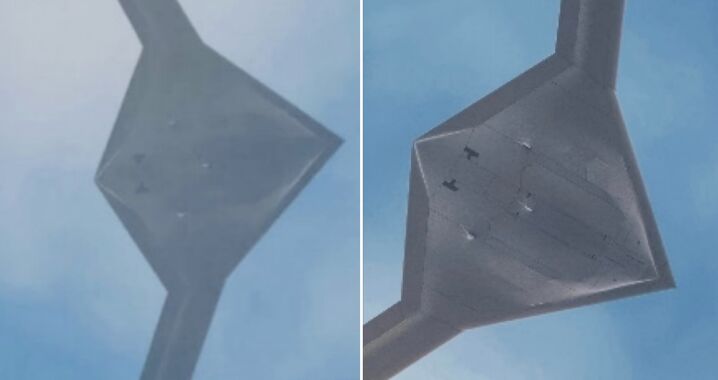
The U.S. Air Force’s recent decision to expand production capacity for the B-21 appears intended to pave the way for a significantly larger fleet than the current program of record. While the official procurement objective remains at least 100 aircraft, details emerging from the agreement between the Air Force and Northrop Grumman indicate that the production ramp-up was deliberately structured to support higher procurement levels should future strategic requirements demand it. The B-21’s combination of a long range and advanced stealth capabilities, the wide ranging shortcomings of and major delays to stealth fighter programs, and ongoing assessments of its possible employment for air-to-air missiles, have made the possibility of a particularly large fleet appear likely.
