
U.S. Air Force Orders Reduced F-35 Fighter Procurements as Funding Shortages Worsen
Military Watch Magazine Editorial Staff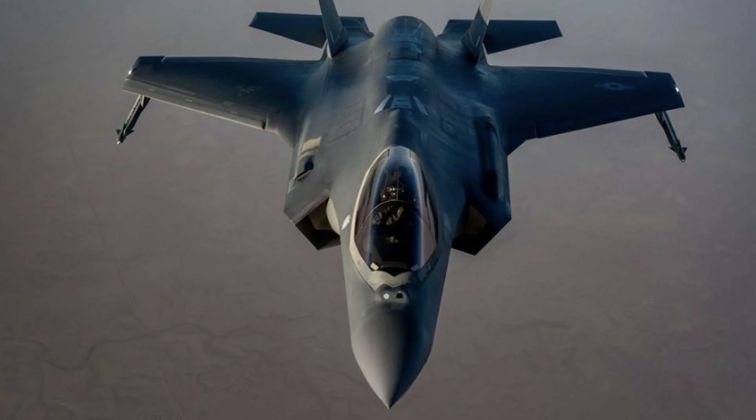
F-35 Fifth Generation Fighter
The U.S. Department of War’s Fiscal year 2027 Procurement Programs document has confirmed that the U.S. Air Force is set to receive 38 F-35A fighters under the new defence budget request, as the previously planned procurement rate of 48 per year continues to be missed due to new budget priorities. This compares to just 24 aircraft requested in 2025 for Fiscal Year 2026, the year the F-47 sixth generation fighter program was announced, and 40 aircraft requested for the preceding year. Planned orders of 48 fighters per year were themselves the results of prior cuts from 110 to 80 to 60, with cuts to levels of just 24-40 F-35s being procured annually being the latest step in this long decline.
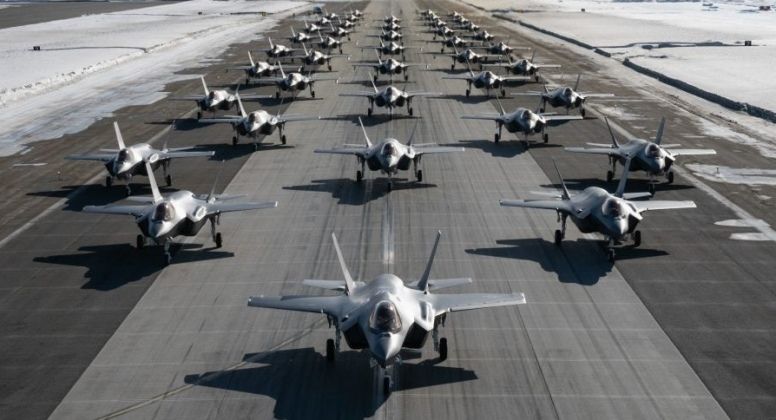
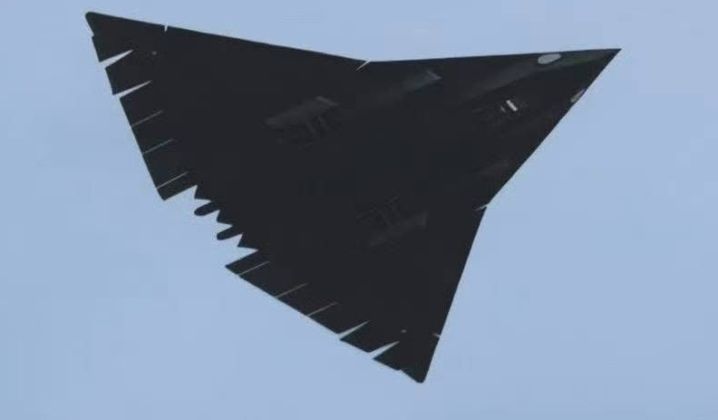
The F-35 is the only fighter the Air Force has procured in significant numbers over the past 15 years, with the aircraft’s major overruns in both sustainment and procurement costs having resulted in a significant contraction of planned acquisitions. A significant further factor assessed to be diminishing the Air Force’s demand for the F-35 has been China’s unveiling of two new sixth generation fighters in December 2024 at flight prototype stages, the capabilities of which made it appear likely that the F-35 fleet would be left a generation behind. This directly caused a drop in Lockheed Martin’s stock value, and resulted in the Pentagon allocating a higher priority to the F-47 program.
The Air Force has increasingly struggled to sustain its fighter fleet, with the service’s budget being increasingly thinly stretched between multiple major programs, many of which have suffered from significant cost overruns. Cuts to F-35 procurements have been one of multiple major consequences of this, with deep cuts to pilot flight training hours being another. The Air Force has faced extreme budgetary strains as the sixth generation F-47, enhanced fourth generation F-15EX, and programs such as the Sentinel intercontinental range ballistic missile and B-21 bomber all compete for limited funding. While the Department of War sought to cancel procurements of the E-7 AEW&C system, facing much resistance in doing so, the obsolescence of the older E-3, and the loss of one of the aircraft to Iranian strikes in March, have resulted in funding being allocated to E-7 orders, further straining budgets.
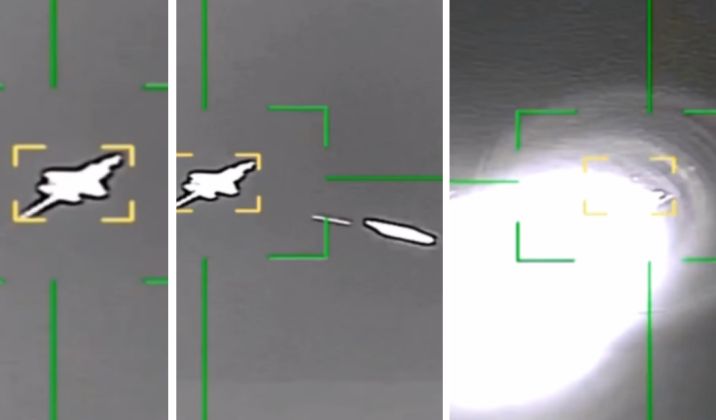
The extreme costs of the war effort against Iran launched on February 28 is expected to further affect future procurement plans, particularly due to the loss of major investments from Arab Gulf monarchies in the United States which is poised to significantly worsen the U.S. budget deficits and the broader state of the economy. The F-35 has itself gained negative publicity during the war due after one was hit by an Iranian short range surface-to-air missile, causing serious damage and shrapnel wounds to the pilot. The possibility of investment in the F-35 increasing significantly in the 2030s as a result of expected delays to the F-47 program remains significant. The emerging consensus that there will be a gap of close to a decade between China and the United States bringing sixth generation fighters into service has fuelled growing interest in the U.S. in modernising the F-35 to a ‘5+ generation’ standard, although variants with such enhancements are projected to cost approximately twice as much to procure as current variants.
