
Ukraine Begins Using Dutch Ruta Cruise Missiles for Strikes on Russia: NATO Continues Supply of Long Range Weaponry
Military Watch Magazine Editorial Staff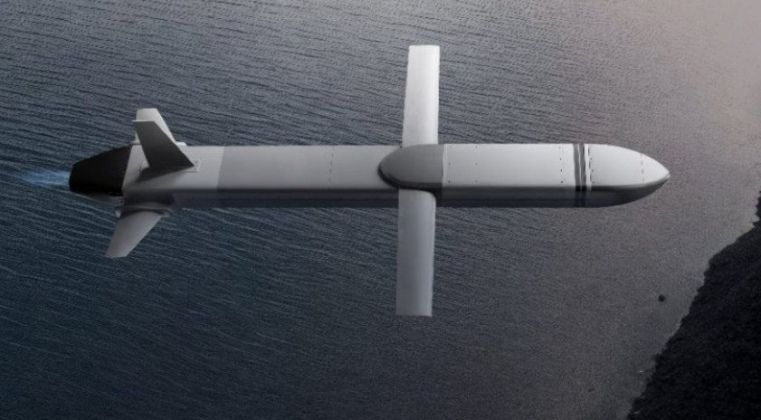
Ruta Cruise Missile
Ukraine has begun operationally employing the Dutch-developed Ruta Block 1 cruise missile, marking another milestone in the country’s rapidly expanding long-range strike capabilities. Images circulating on Russian military Telegram channels appear to show the wreckage of a Ruta Block 1 following a strike inside Russia, providing what is believed to be the first publicly available evidence that the weapon has entered combat service in the Ukrainian Armed Forces. The photographs show sections of the missile’s fuselage, internal components, and a distinctive tail assembly that closely matches the known configuration of the Ruta Block 1.
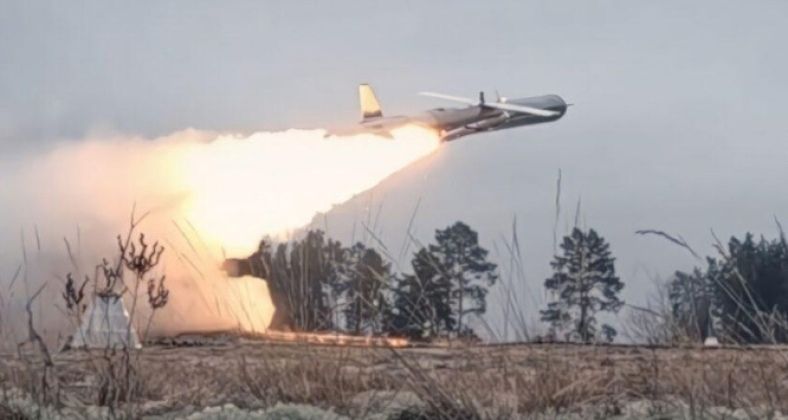
The Ruta is produced by European aerospace company Destinus, and unlike larger and more expensive cruise missiles, it was designed as a relatively low-cost weapon that can be manufactured in large numbers while still providing precision strike capability. The Block 1 variant reportedly has a range of more than 300 kilometres while carrying a small 150 kilogram warhead. The missile flies at approximately Mach 0.8 using low-altitude terrain-following flight profiles designed to reduce detection by enemy air defence systems. It also incorporates inertial navigation with pre-programmed terminal guidance capable of operating even in heavily jammed GPS environments.
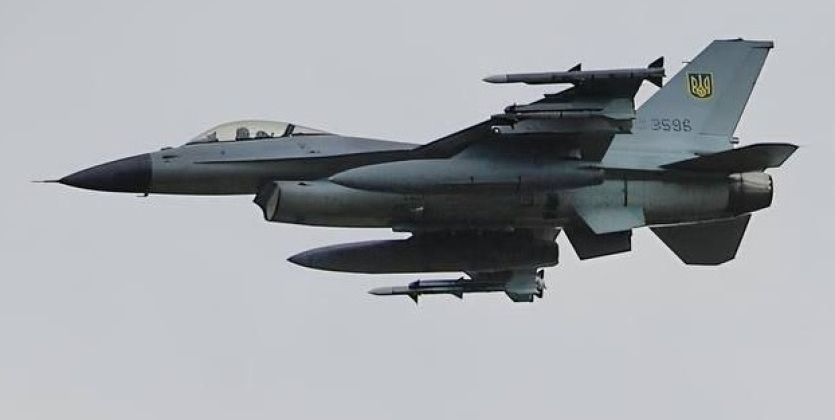
Although short ranged and relatively easy to intercept, a primary benefit of the Ruta is that many of the missile types that would be used to interceptor are more costly than the cruise missile itself. European states have for years expressed a strong interest in strengthening Ukrainian deep strike capabilities aimed at maximising damage to Russian critical infrastructure and military facilities, with the Netherlands having been among multiple countries to make clear that its F-16 fighters donated to Ukraine could be used for such attacks. European states have also extensively lobbied the United States to allow for such strikes, including by providing satellite support and permitting its ATACMS ballistic missiles to be used against targets on internationally recognise Russian territory, rather than solely in disputed regions.
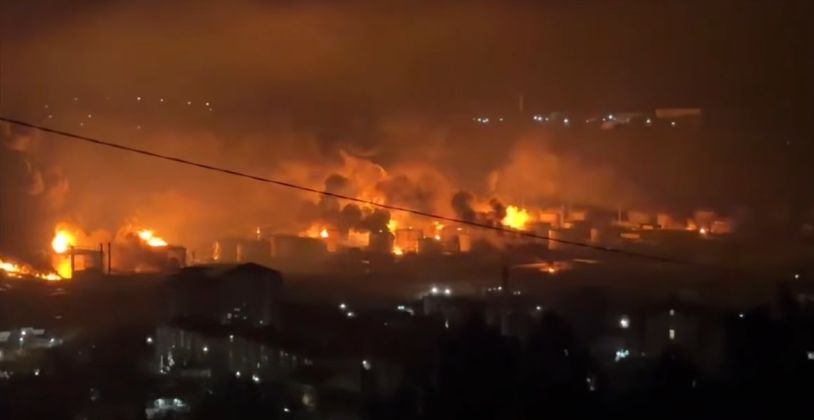
Although the two complement each other rather than replacing one another, cruise missiles generally pose a more limited military challenge to Russia than drones due to their you much higher costs and much more limited numbers available. Although Russia’s world leading multilayered air defence network is optimised to defend against cruise and ballistic missile strikes, its viability for defence against low cost single use drones has been much more limited. A long-range attack drone may cost tens of thousands of dollars, while intercepting it with a surface-to-air missile can cost hundreds of thousands or even millions of dollars. This steadily depletes Russia’s stocks of expensive interceptors. Drones can be produced in very large numbers, allowing frequent attacks against airfields, refineries, logistics hubs and defence factories. This forces Russia to keep air-defence units on constant alert across a vast territory. Thus while a more diverse and modern cruise missile arsenal is valuable for Ukraine, it is not a primary factor placing pressure on Russian defences.
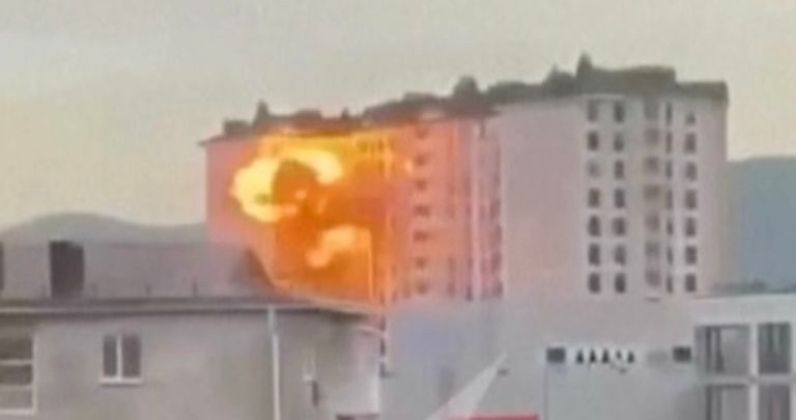
Russian government sources have issued explicit warnings regarding European production and supplies of long range weapons to Ukraine, and in particular unmanned attack aircraft. They have in several cases warned that the facilities involved could become targets. Former president Dmitry Medvedev in April stated that facilities linked to drone production could be viewed as “potential targets” for the Russian Armed Forces, while the Russian Defence Ministry has published a list of firms and facilities across Europe involved in drone manufacturing or components, warning that supplies to Ukraine were “dragging Europe deeper into the war.” In late March Secretary of the Russian Security Council Secretary Sergei Shoigu confirmed that Ukrainian long-range drones had begun to pose a direct threat to regions deep inside Russia, including the strategically critical Ural industrial area.
