
U.S. Officials Refute Indian Allegations that Pakistan Violated Terms of F-16 Contract with Combat Deployment Over Kashmir
Military Watch Magazine Editorial Staff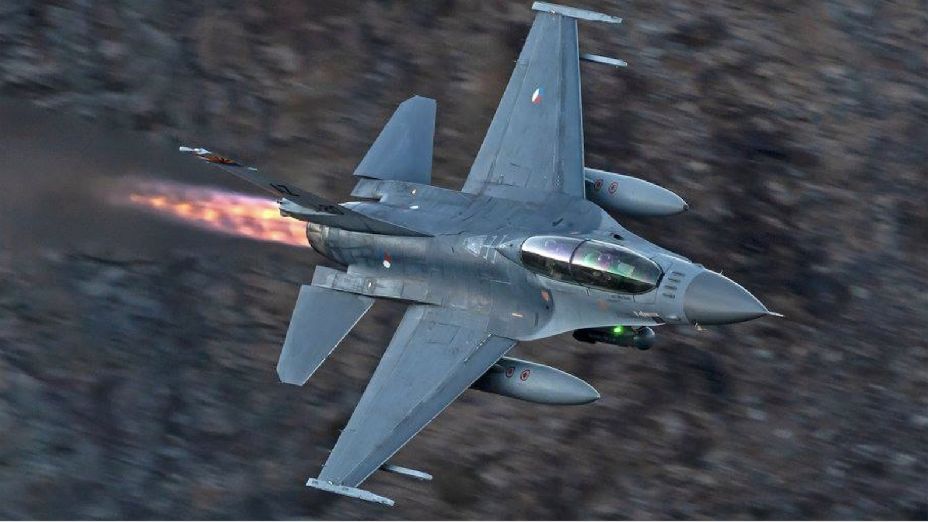
F-16 Fighting Falcon
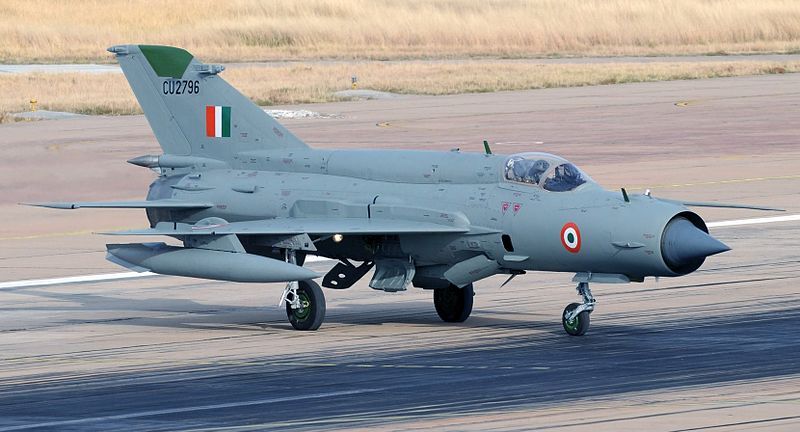
Following clashes between Indian and Pakistani fighter jets in late February 2018, which saw Pakistan claim the downing of two MiG-21 Bison fighter jets with India responding with claims it downed an F-16, Delhi has reportedly raised the issue of the Pakistani Air Force’s deployment of its F-16 fighter fleet with the United States - alleging misuse under the terms of the contract under which the aircraft were first delivered in 1983. On March 5th U.S. State Department officials acknowledged that it was following these allegations closely, stating: “We've seen those reports and we're following that issue very closely. I can't confirm anything, but as a matter of policy, we don't publicly comment on the contents of bilateral agreements that we have in this regard involving U.S. defence technologies nor the communications that we have with other countries about that.”
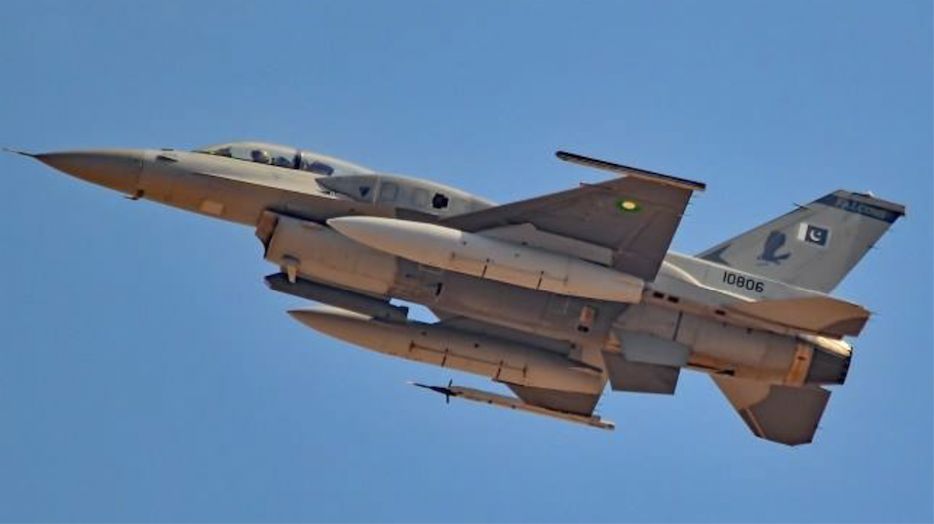
Reports from New York Times journalists on March 6th indict that, contrary to India's claim, the U.S. does not consider Pakistan to have violated its F-16 purchase agreement when its jets engaged the Indian Air Force. Journalist Maria Abi Habib, citing weapons experts and officials, stated: “U.S. officials are pushing back hard on India's interpretation of their F-16 sale agreement with Pakistan. Sources say if India had entered Pakistan airspace for a second day, and Pakistan used the jet defensively, the contract wasn't violated. But, if Pakistan used an F-16 to attack India first, the deal was violated.”
Former vice chief of the Pakistan Air Force Shahid Latif stated regarding the allegations that there was no condition attached to the country's purchase of the F-16 that stipulated they could not be used against India. Contracts were notably written under the context of Cold War, in which India was a close Soviet ally. The fighters were used on a number of occasions to target Afghan and Soviet jets during the 1980s. Latif further stated: “Pakistan can use the F-16 jets for its defence against any country, including India.” The Pakistani Air Force for its part reports deploying the JF-17 from early in the conflict, and there is currently little evidence to suggest that the F-16 played a large role in the confrontation.
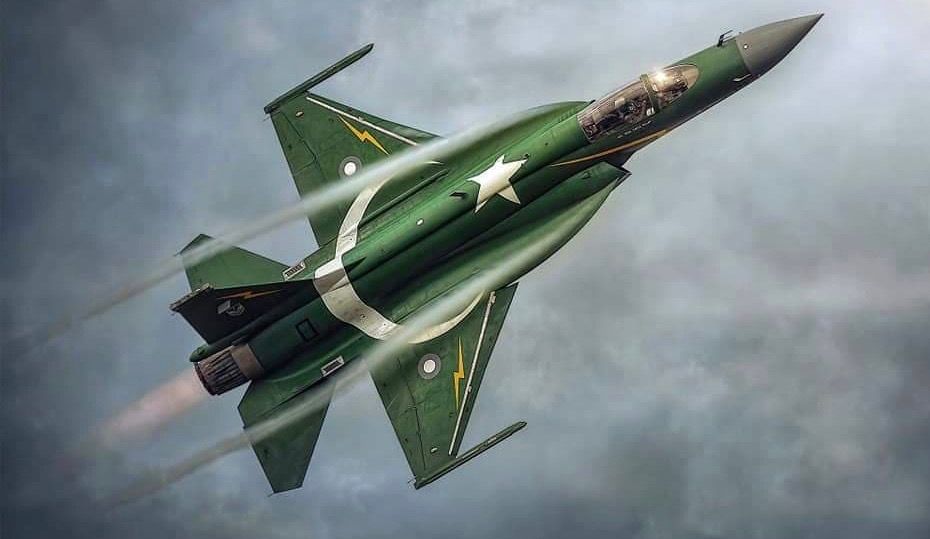
The F-16 has been operated by the Pakistani Air Force for over 35 years, and the country was the fourth generation platform’s second export client after Israel - following the cancellation of Iran’s planned order for several hundred fighters in 1979. The aircraft received a considerable upgrade to its capabilities in the early 2000s, and was equipped with the advanced AIM-120C-5 stand-off air to air missile allowing it to strike targets up to 105km away. The Fighting Falcon was the prime fighter jet of the Pakistani Air Force until early 2014 when the JF-17 Block 2 began to enter service. The Sino-Pakistani fighter is in many ways similar to the American Fighting Falcon, and though slower and less manoeuvrable it has a number of advantages including lower maintenance requirements, a higher operational altitude and access to superior munitions types such as the YJ-12 anti ship cruise missile - allowing the JF-17 to serve as a ship hunter in a way the F-16 cannot match.
