
U.S. Congress Could Restrict Funding for Ambitious Sixth Generation Fighter Programs
Military Watch Magazine Editorial Staff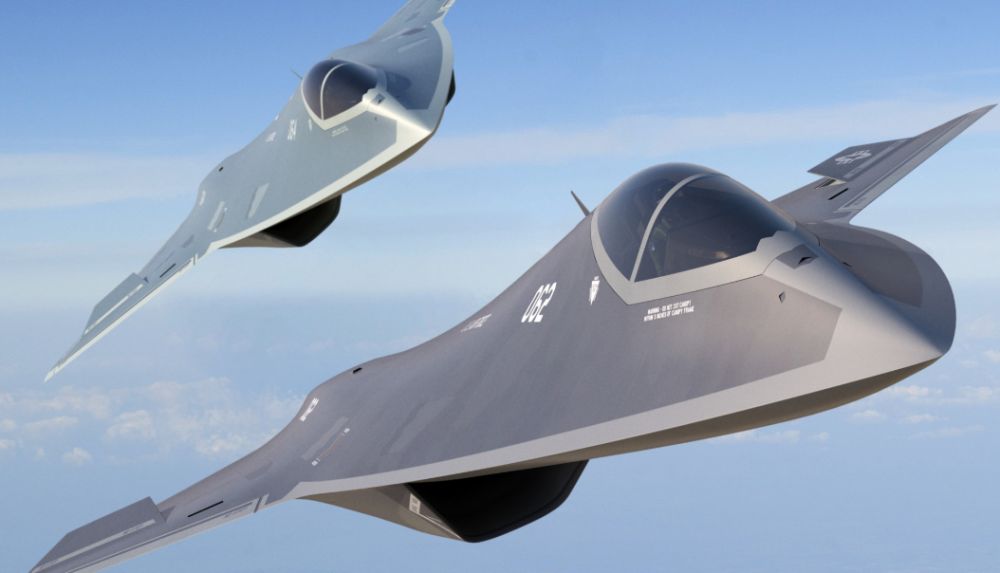
U.S. Air Force Sixth Generation Fighters - Design Concept
Rodrigo Avella
The U.S. House Armed Services Committee has threatened to limit funding to two the country’s most significant programs for new combat aircraft, the sixth generation fighter programs of both the Air Force and the Navy, unless the two services provide more information regarding the secretive development efforts. The committee reportedly intends to cut off 85% of funding for fiscal year 2021 until it receives an independent review performed by the Pentagon’s director of cost assessment and program evaluation. A committee aid told reporters on June 22nd regarding the purpose of this push for more information: “When they field their capabilities, we just want to make sure that they’ve thought them through, that the department has determined that they are affordable and that anything else that is already in the budget into the future that’s high priority as well is not going to get pushed out unintentionally if they have unexpected cost growth or run into problematic issues when they field the capabilities.” This is notably hardly the first time that next generation fighter programs suffer from the contention between a civilian leadership seeking to know more about their capabilities, and developers who seek to keep their programs as secretive as possible. The F-22 Raptor and A-12 Avenger faced similar scrutiny in the 1990s, with the more secretive A-12 notably cancelled despite its lower cost (estimated program cost of $57 billion to the Raptor's $67 billion) in part due to the fact that the government had too little information on it.
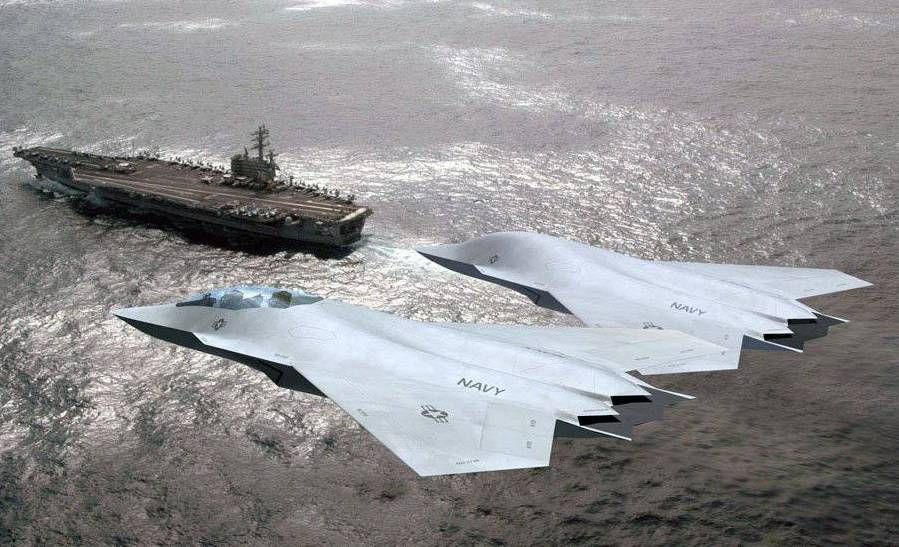
The Navy notably saw significant cuts to its budget for its next generation fighter program in 2021, but with its F-18E Super Hornet design fast ageing and considered insufficient for high intensity air superiority missions acquiring a next generation fighter is considered an increasingly urgent issue. Sixth generation air superiority fighters are expected to integrate a wide range of new features including superior endurance, sensors, flight performances and a greater focus on electronic warfare for survivability. For naval aircraft in particular, a long range will be considered crucial given the massive ranges in the Pacific theatre over which they will be expected to fight. Current carrier based fighters are forced to rely heavily on aerial refuelling to compensate for their range disadvantages. A third sixth generation fighter program, a secondary Air Force program, is also under consideration with a specific role of escorting B-21 bombers over enemy territory. Known as the Penetrating Counter Air Fighter, it remains highly uncertain whether this will be funded alongside the other two programs, but it could benefit from sharing technologies and the benefits of research and development with the Air Force’s other next generation program. The first American sixth generation fighters are expected to see their first flights by the end of the decade.
