
Super Hornets and F-35s Insufficient: Senate Pushes Navy to Develop Ambitious Sixth Generation Carrier Based Fighter Aimed at China
Military Watch Magazine Editorial Staff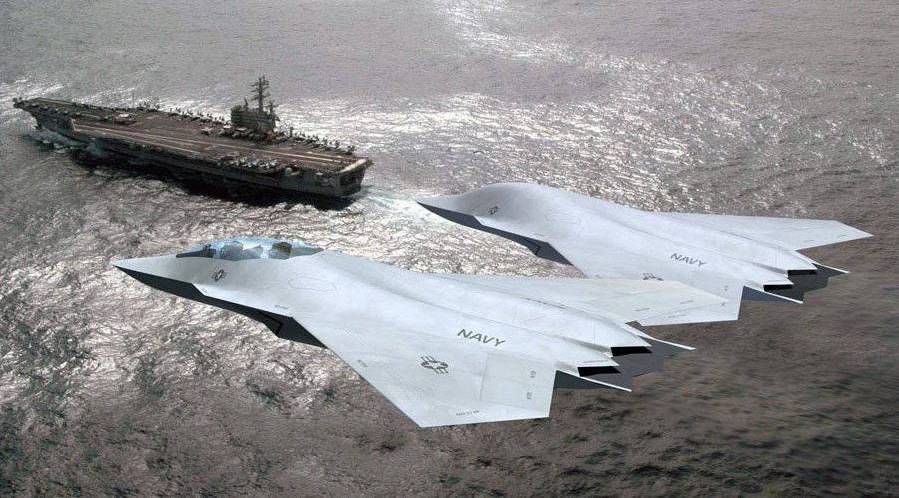
U.S. Navy Sixth Generation Fighters - concept art
The U.S. Senate Armed Services Committee has requested that the Navy create a restructuring plan for naval aviation aimed specifically at countering the growing capabilities of the Chinese People’ Liberation Army (PLA) Navy, which has included a specific request for the development of a new generation of carrier based fighter aircraft. These aircraft are widely pressed to be intended for deployment primarily to the Pacific theatre. The committee announced that it “requires the Navy to create a fighter aircraft force structure acquisition strategy and report on aircraft carrier air wing composition and carrier-based strike fighter squadrons to better prepare for potential conflicts envisioned by the National Defense Strategy.” This strategy has since 2018 emphasised the need for preparation for wars against ‘Great Power Adversaries’ such as China, Russia and North Korea. Reports from a number of think tanks have been highly critical of the capabilities of existing and upcoming U.S. carrier based fighters due to a number of limitations including their short ranges and poor suitability for high end air superiority missions. This has made their ability to challenge the increasingly sophisticated Chinese fleet of much higher endurance fighter aircraft highly questionable.
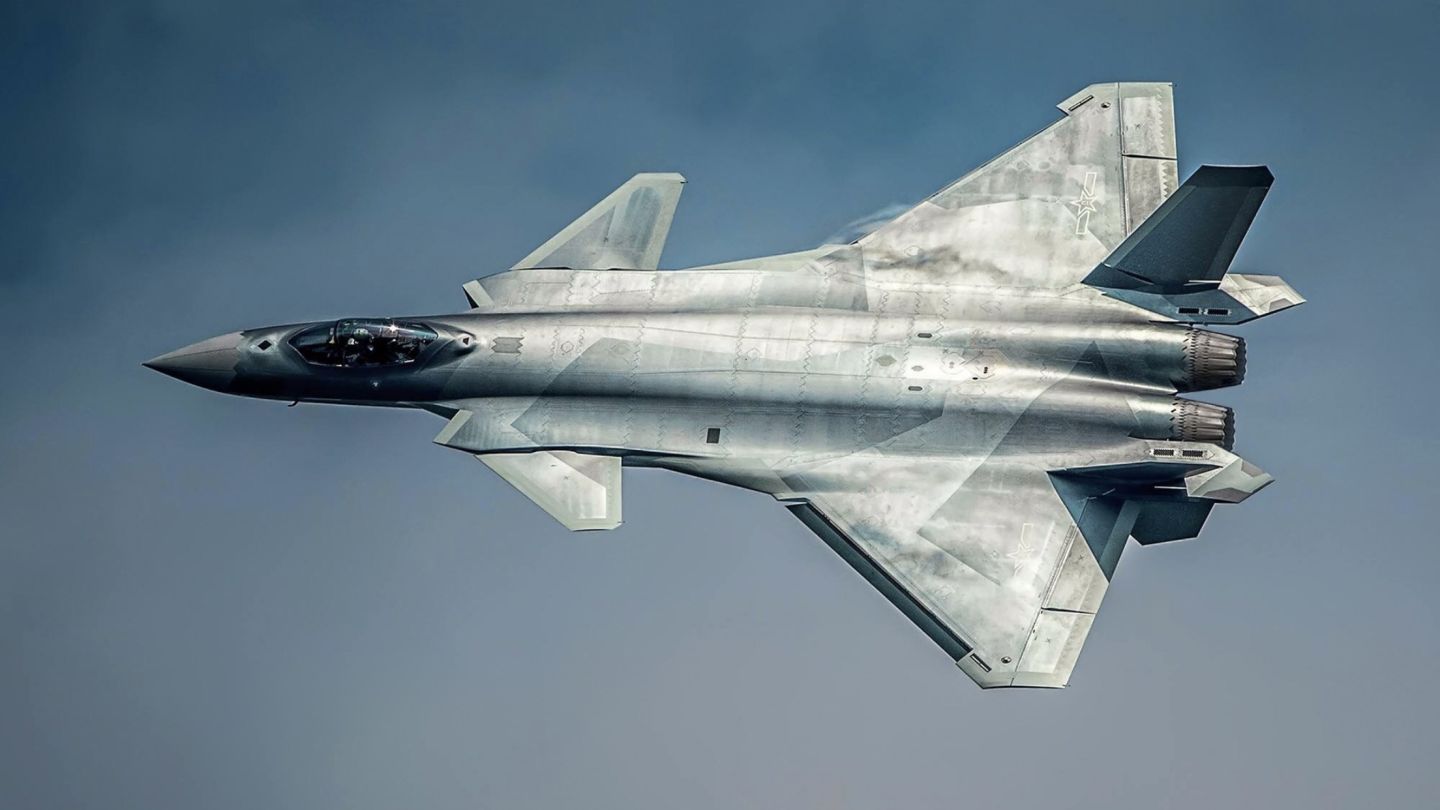
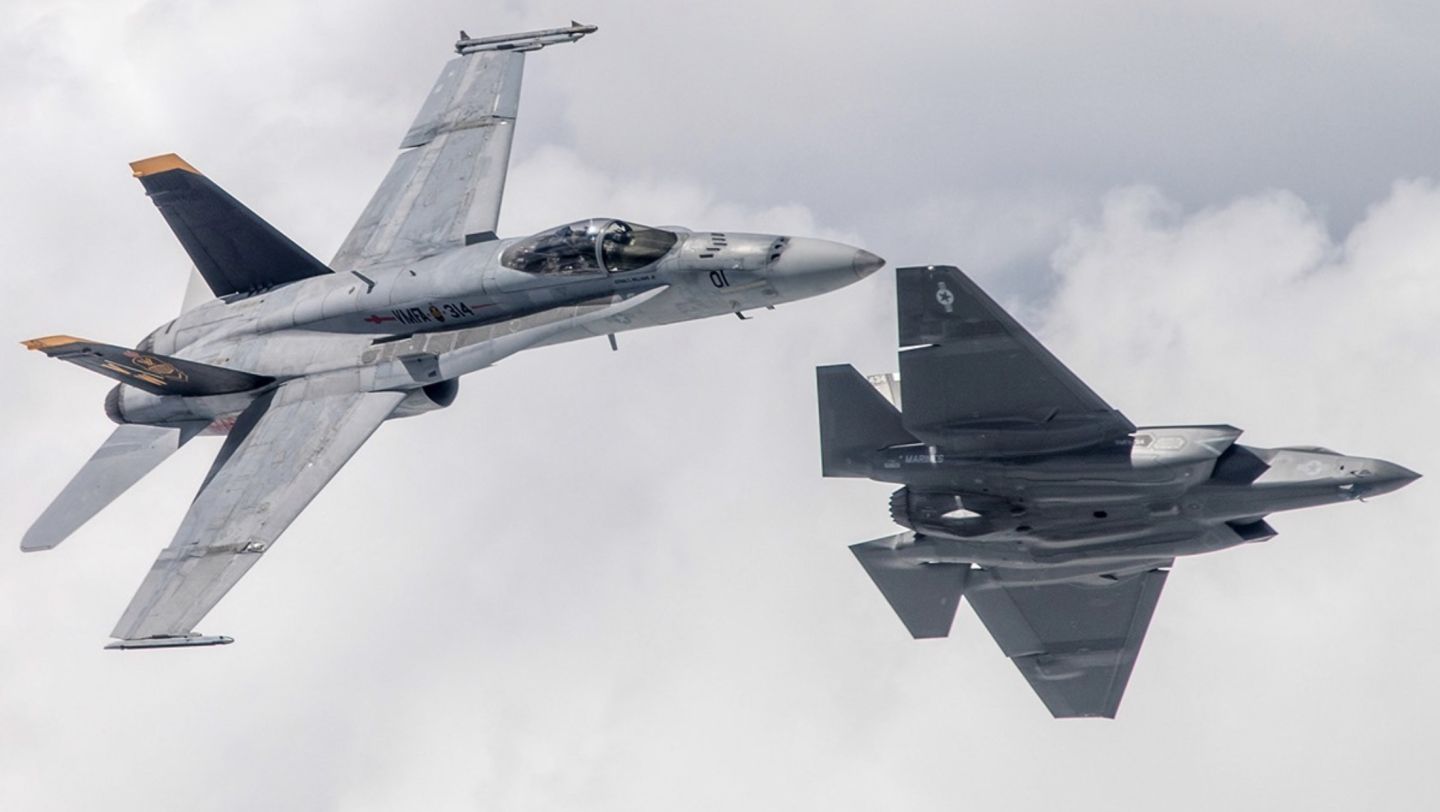
The Navy’s carrier air wings currently rely exclusively on F-18E Super Hornet fourth generation medium fighters, the latest variant of which is set to enter service in the near future and boasts enhanced ‘4+ generation capabilities.’ The Super Hornet was developed largely to prioritise low operational costs, and is the slowest fighter jet in production of its generation with several significant disadvantages over its heavier and much more expensive predecessor the F-14 Tomcat. The platform entered production in 1995, and is heavily based on the F-18 Hornet design which dates back to the mid-1970s. Super Hornet production has been extended considerably due to significant delays with the F-35C program, a fifth generation fighter which will replace a portion of the F-18Es in service. The F-35 is considered a lightweight jet by the standards of fifth generation aircraft however, and is not optimised for a high endurance air superiority mission in the way that Chinese naval fighters such as the J-15 and upcoming fifth generation platforms are. The ability of the Super Hornet or the F-35 to go head to head with the latest Chinese fighters such as the J-20 and J-11D remains highly questionable, and this issue will only become more acute as the PLA moves to field more fifth generation fighters and further develops its multiple reported sixth generation fighter programs.
A next generation American carrier based fighter is currently under development under the Air Dominance Fighter program, although this notably saw funding for 2020 cut by two thirds which is expected to lead to considerable delays. The new fighter is expected to boast sixth generation capabilities, including a stealthier airframe and superior electronic warfare systems. It is being designed for high endurance operations as the F-14 was, and is optimised for air to air combat. A number of reports have indicated that the fighter could be unmanned and piloted by artificial intelligence, although it remains uncertain weather manned variants will also be in service if this is the case. The fighters are expected to deploy AIM-260 air to air missiles currently under development, which are being designed to close the missile gap with China. Chinese fighters currently deploy the PL-15 air to air missile, which has a considerably longer range than America’s most capable counterpart the AIM-120D and notably makes use of an active rather than a passive radar which makes it considerably more difficult to jam or evade. The U.S. has yet to deploy an air to air missile with an active radar.
