
U.S. Concerned Over S-400’s Proximity to F-35 Jets; Stealth Profile Could be Compromised
Military Watch Magazine Editorial Staff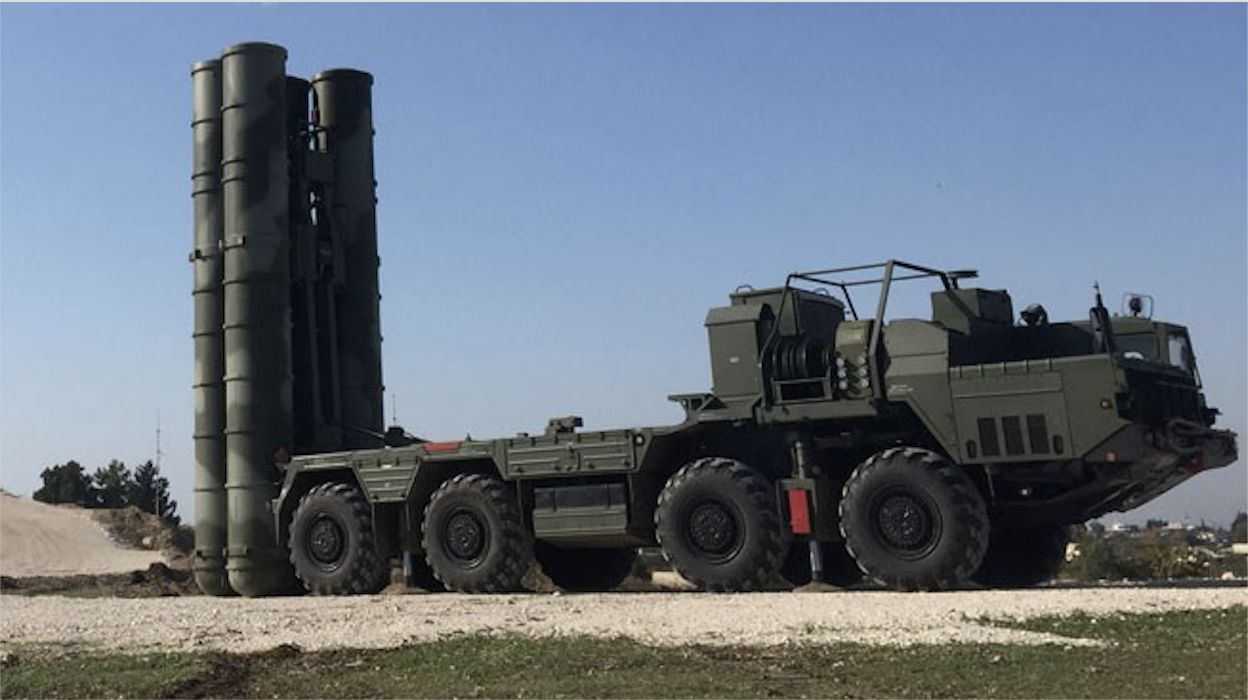
S-400 Surface to Air Missile Battery
American Undersecretary of Defence for Acquisition and Sustainment Ellen Lord has raised concerns that the country’s new Lockheed Martin F-35 fighter jets could have their survivability compromised if operating too near to Russia’s long range air defence systems - in particular the S-400. The S-400 system retains a 600km detection range and 400km engagement range against enemy aircraft, and its sensors are considered powerful enough to precisely track and lock onto all existing stealth fighters including the F-35. The F-35 for its part, with unremarkable speed and manoeuvrability and a low altitude ceiling, relies heavily on its radar evading stealth profile for survivability. If these are compromised by granting Russian air defence units the opportunity to study the profile of jets operating regularly within their range it could have seriously implications for the entire $1.6 trillion program and over 3000 fighters which are planned to be manufactured.
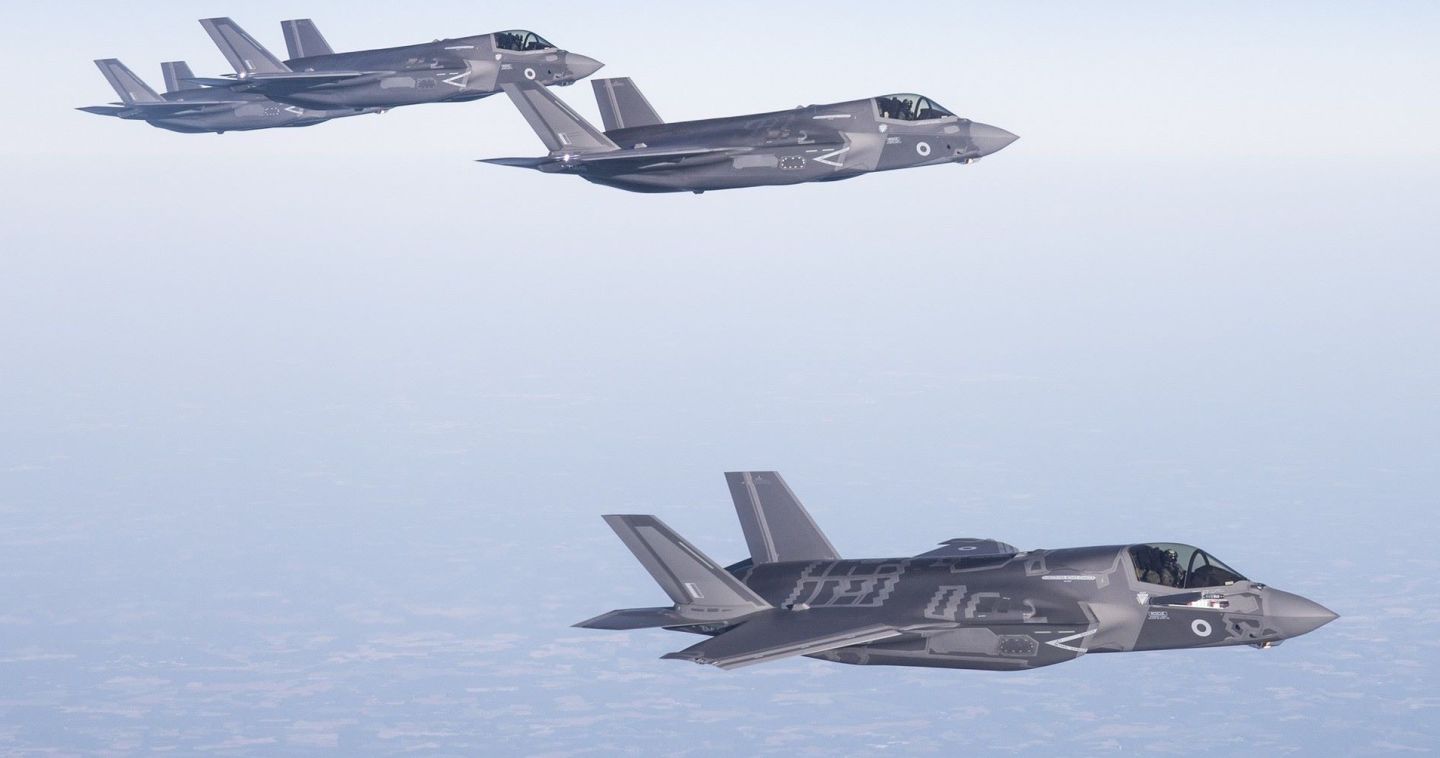
The F-35 is less stealthy than it’s heavier and most costly predecessor the F-22 Raptor, but currently retains high survivability against most air defence systems. F-35 jets operating within range of Russian air defences, including those in Israeli service operating over Lebanon and Syria and those in the U.S. Air Force deployed to the Persian Gulf, have regularly deployed using Luneberg reflectors which intentionally increase their radar cross sections - thus denying adversaries using systems such as the S-300 and S-400 the opportunity to study them. The U.S. has reportedly perceived a particularly serious threat from the F-35 sale to Turkey, which has received three fighters so far and is set to deploy them alongside the S-400 air defence system. Undersecretary Lord states to this effect: "We do not want to have the F-35 in close proximity to the S-400 over a period of time because of the ability to understand the profile of the F-35 on that particular piece of equipment.” Taking this as a pretext to deny Ankara the stealth fighters, of which it had planned to acquire over 100, the undersecretary stated: "The United States was disappointed to learn that Turkey sent personnel to Russia for training on the S-400 system. As we have very clearly communicated at all levels, Turkey will not receive the F-35 if Turkey takes delivery of the S-400 system.”
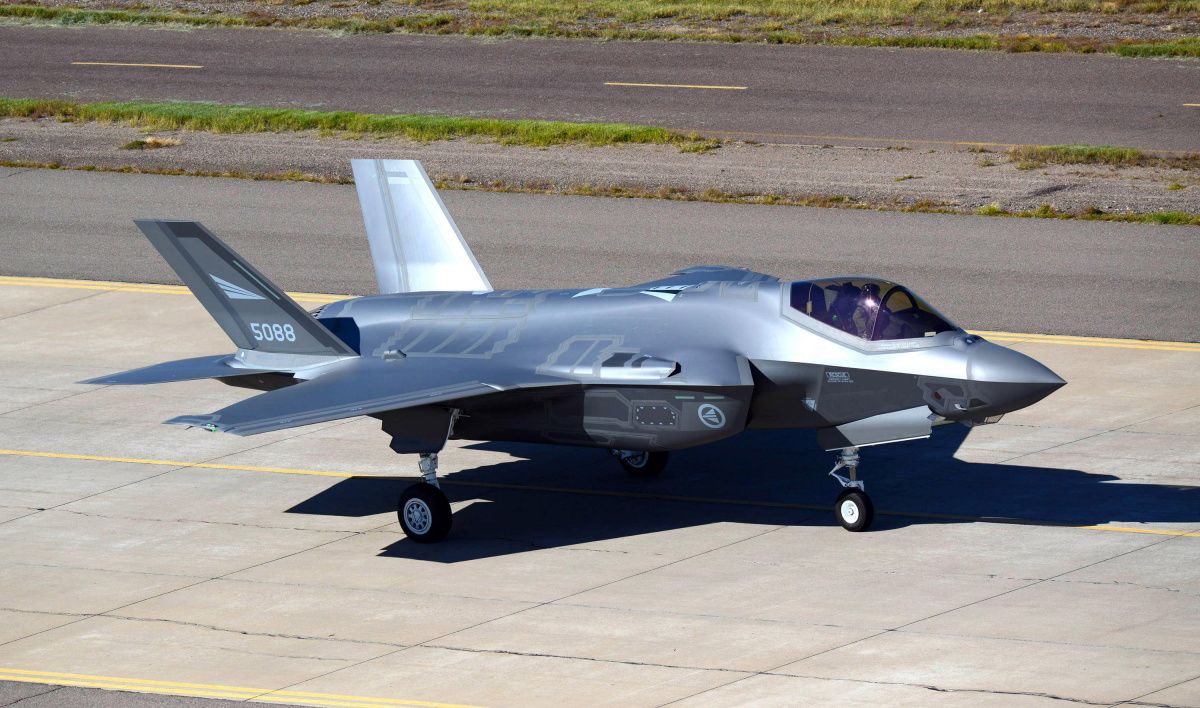
How long the U.S. can keep the F-35’s stealth profile a secret remains questionable, with the platform set to be operated within range of adversary air defences on a number of fronts. Examples are in Eastern Europe near Kaliningrad in range of S-400, in Korea in range of Russian and Chinese S-400 batteries and the North Korean KN-06 and S-300, or by Israel well within range of Russian defence systems in Syria where the Israeli Air Force is unlikely to use Luneberg reflectors indefinitely. It is likely that if any of America’s potential adversaries can acquire information on the F-35’s stealth profile, they will share it with other parties. It has thus been widely speculated that denying the F-35 to Turkey is more of a pretext to punish Ankara for stepping out of line with the Western Bloc and acquiring Russian hardware, rather than a genuine security threat - particularly as S-400 batteries will be operated by Turkish rather than Russian personnel.
