
Did Israel’s Air Force Use Stealthy F-35 Fighters for Strikes on Damascus?
Military Watch Magazine Editorial Staff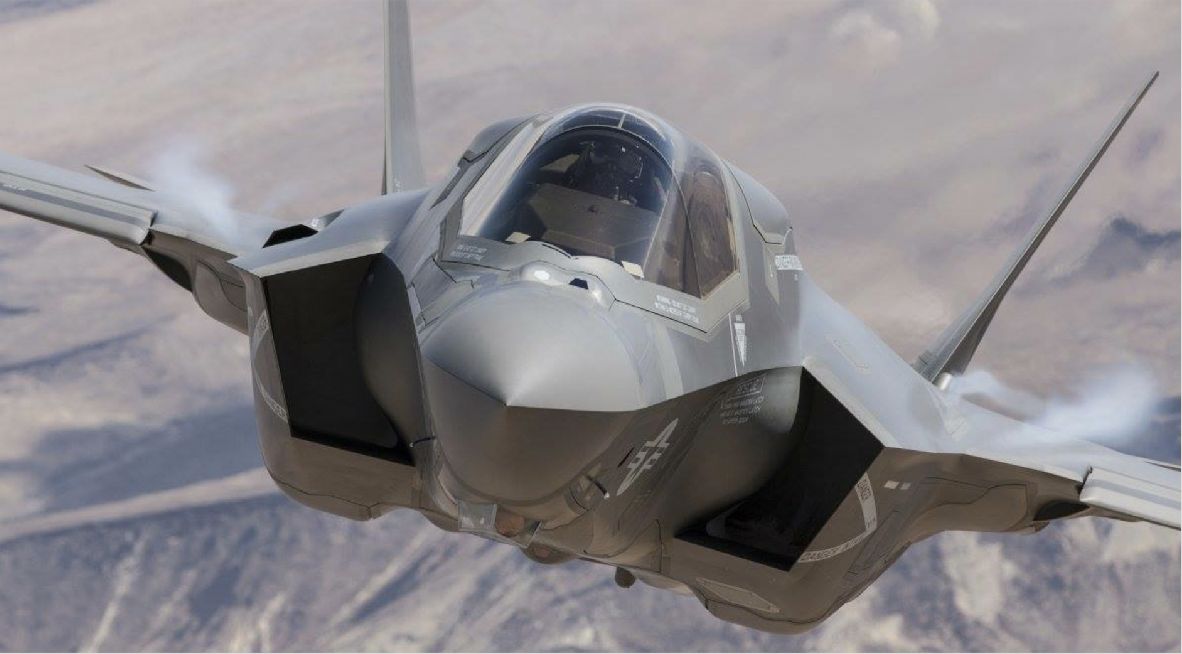
F-35A Stealth Fighter
New details regarding the Israeli Air Force’s strike on Damascus International Airport in January 2019 have indicated that the service’s new F-35A fighter jets may have been responsible for the attack. The strike was carried out under the pretext of targeting Iranian forces, which Tel Aviv (/Jerusalem) claims are establishing a foothold on Syrian territory with the intention of targeting Israeli territory in future. Damascus has dismissed this as an empty pretext for attacks on its cities and undermining of its sovereignty. Israel was one of the first American export clients to receive the F-35, and other than the United States has had the most opportunities to deploy the fighter in combat due to the ongoing nature of its interventions in Syria as well as the Islamist militant held Gaza Strip.
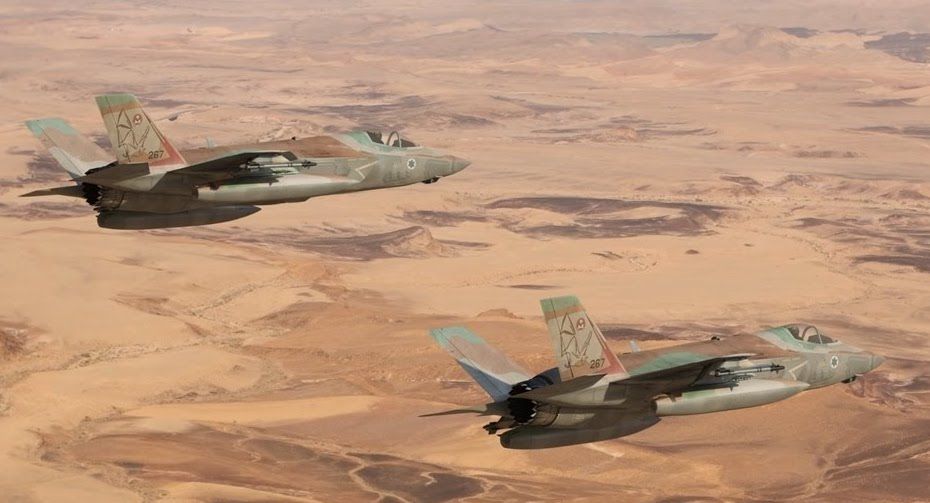
While Syrian air defences reportedly intercepted the majority of missiles launched, with approximately 30 shot down, a number managed to penetrate these defences and damage facilities at the airport. The Israeli Air Force has refused to comment on reports from a number of sources that F-35 fighters were involved in the attack and struck a Chinese made JY-27 radar at the airport. A Pantsir-S1 air defence combat vehicle was also destroyed in the attack, reportedly also by the stealth aircraft. Since early 2018 the Israeli Air Force has relied very heavily on strikes with standoff munitions, after one of its F-16 Fighting Falcons was shot down by a Syrian S-200 missile battery. While the S-200 dates back to the 1960s, when it was first deployed by the Soviet Union, the upgraded variants in service, reportedly modernised with North Korean assistance, were capable of posing a threat to Israeli fourth generation fighters. By striking Syria using long range standoff missiles from beyond the country’s airspace, also beyond the range of its air defences, the threat to Israeli aircraft has been reduced considerably. With Damascus failing to employ its Air Force to defend its airspace, a result of its small size and ageing equipment, a pursuit of hostile aircraft beyond the range of its air defences remains impossible - ensuring a minimal risk to the aircraft.
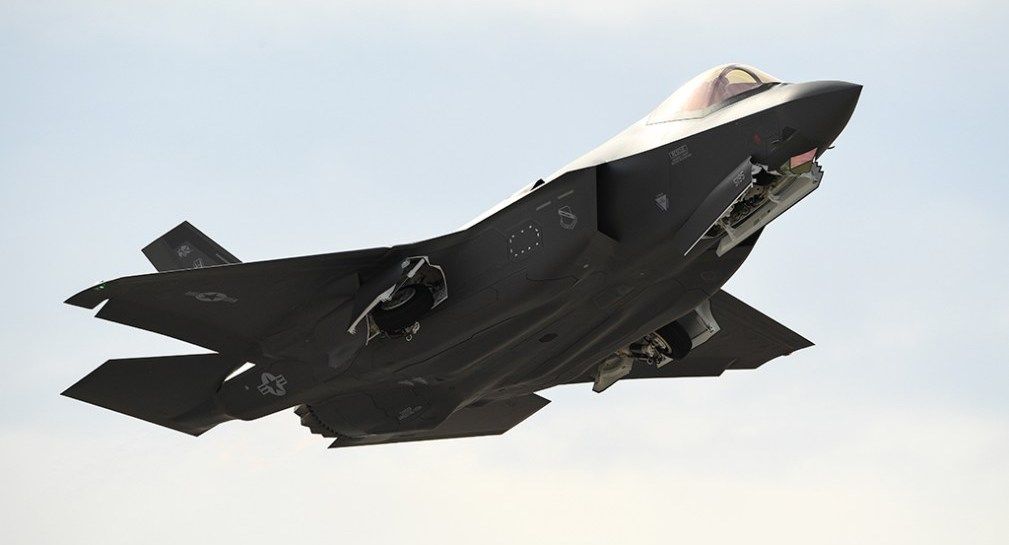
The F-35 remains far from fully combat ready according to the latest reports from the United States military, making a deployment to highly contested airspace unlikely. Furthermore, the fighters in Israeli service have flown deploying luneberg reflectors to prevent their stealth profiles from being analysed by Russian radar systems such as those deployed by the S-400 and S-300V4 in Syria - which comfortably retain coverage over all of Syrian and Israeli territory. Luneberg reflectors notably terminate the fighter’s stealth profile, and a fighter deploying them is highly unlikely to deploy to Syrian Airspace given its highly limited speed, altitude and manoeuvrability and resulting vulnerability without stealth. It is possible, however, that F-35s could have taken part in strikes on Syrian targets using standoff munitions. The fighter’s stealth capabilities would not come into play in such an attack, but it would be able to make use of its powerful sensors while the Israeli Air Force would gain a valuable opportunity to evaluate its capabilities in standoff strikes relative to those of older platforms such as the F-15E and F-16 - perhaps the first country in the world to do so.
