
U.S. Announces Deployment of Air Defence Systems to Iraq - Cites Threats From Iranian Stealth Drones and Ballistic Missiles
Military Watch Magazine Editorial Staff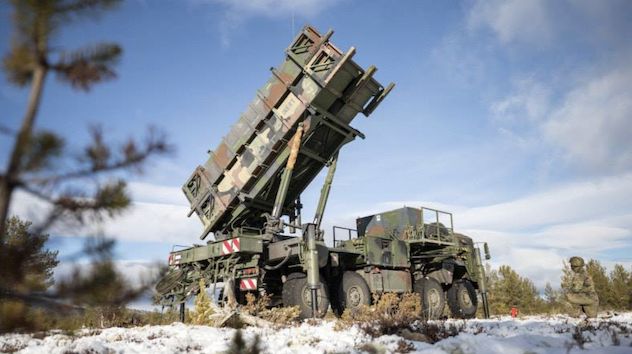
Patriot Missile Battery
The United States Military’s Central Command (CENTCOM) responsible for security in the Middle East has announced that the country will be moving air defence systems to Iraqi territory to protection American personnel in the country against threats from drones and ballistic missiles. This follows a series of rocket artillery attacks on American positions by Iraqi government aligned militias, and a larger ballistic missile attack launched from Iranian territory in January which took over 100 American casualties. The Iranian strike was launched in retaliation to an American strike on January 3rd near Baghdad International Airport which saw Iranian Quds Force Commander Qasem Soleimani killed. The deployment of air defences follows mixed messages from the American leadership regarding its intention to withdraw forces from Iraq, and comes two months after the Iraqi Parliament voted in favour of a resolution for the withdrawal of U.S. forces Fromm the country.
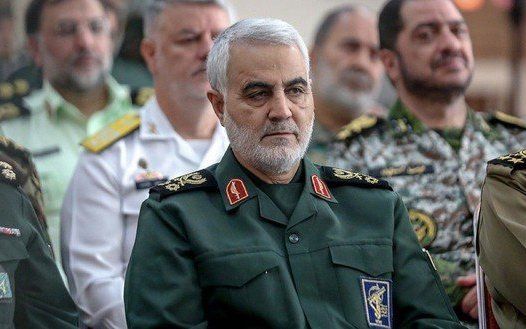
U.S. Marine Corps General and head of the U.S. Central Command Kenneth McKenzie told the House Armed Services Committee on March 11th regarding the need to fortify American facilities in Iraq against the potential threat of Iranian strikes: “We are in the process of bringing air defence systems, ballistic missile defence systems into Iraq – particularly to protect ourselves against another potential Iranian attack,” he stated, noting a “growing threat posed by unmanned aerial systems, coupled with our lack of dependable, networked capabilities to counter them.” He further referred to Iranian drone capabilities as the region’s “most concerning tactical development.” This follows Iranian drone strikes on Islamic State militant positions near American bases in 2019, which were carried out using stealth drones and went undetected by American forces. It also follows American allegations that Iranian drones were responsible for precision strikes on Saudi oil facilities in September 2019 - although Tehran has denied responsibility for the latter attack for which Yemen’s Ansurullah Coalition forces have claimed credit.
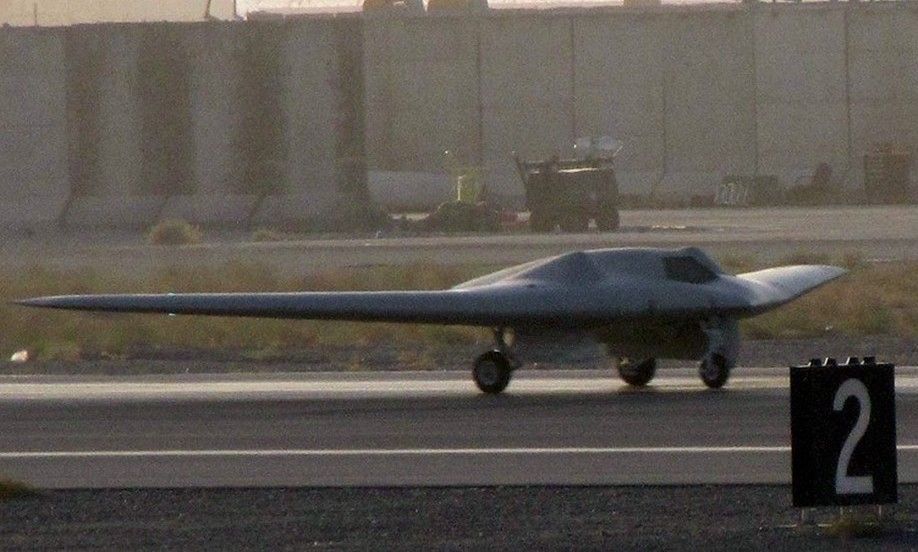
Iran has built a sizeable fleet of stealth drones based largely on technology from an American RQ-170, which was commandeered over Iranian airspace and forced to land at an Iranian airfield in 2011. Iranian stealth drones have proven highly survivable, with one operating in Israeli airspace in early 2018 and evading multiple attacks by American made Patriot missile batteries. General McKenzie further noted regarding the deployment of new American assets: “Our presence sends a clear signal about our capabilities and our will to defend partners and U.S. national interests... Going forward, it is CENTCOM’s objective to posture forces in the region with the operational depth to achieve a consistent state of deterrence against Iran and be adaptable to future Iranian threats.” It remains uncertain which types of air defence systems the U.S. will deploy to Iraq, with plans to acquire Israeli Iron Dome short ranged systems recently terminated. The most likely option is the Patriot system, although its performance record even against lower end targets leaves much to be desired.
