
World Oil Prices and Western Intervention: Implications of Successful Yemeni Drone Strikes on Saudi Oil Installations
Military Watch Magazine Editorial Staff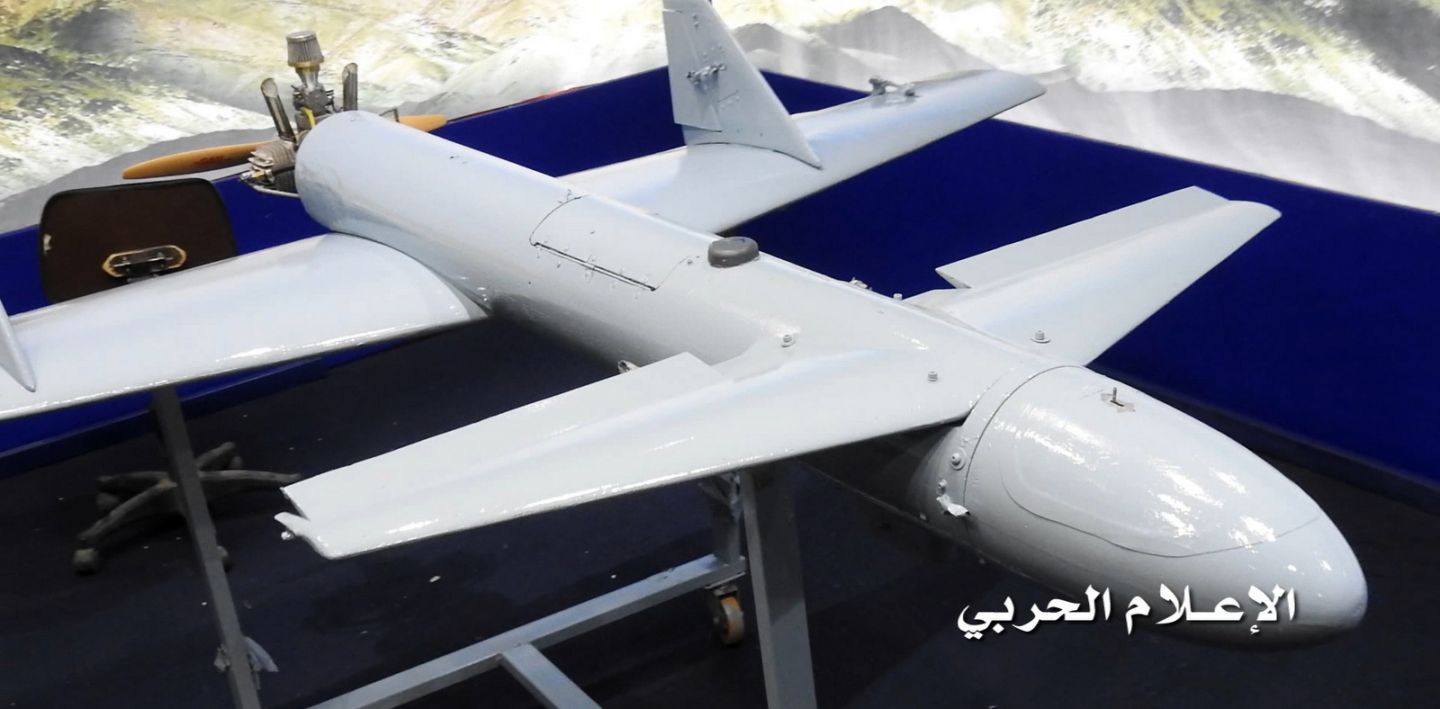
Yemeni Ansurullah Coaliition Combat Drone
On September 14th Yemen’s Ansurullah Coalition forces carried out a successful strike on two major oil installations in Saudi Arabia, marking the latest in a series of increasingly significant and far reaching attacks carried out using asymmetric assets. The attack was reportedly carried out using ten light drones, each costing under $20,000, and alongside its ballistic missiles capabilities demonstrated the growing reach of the coalition. The Ansurullah Coalition is comprised of a number of Yemeni nationalist groups, most notably the Houthi militias, which have been in conflict with Saudi Arabia and a number of its regional allies since March 2015 when Riyadh began a major military campaign in Yemen. While Saudi Arabia has had access to state of the art arms from a wide range of suppliers, and benefitted from both significant Western support and the presence of French and U.S. special forces which have operated against Ansurullah in Yemen, the asymmetric tactics used by coalition forces has allowed them to prevail and gradually strengthen their position against overwhelming odds.
The costs of the Yemeni attack to Saudi Arabia’s heavily oil dependant economy were estimated at over $300 million per day - with 5.7 million barrels of production capacity per day suspended. Damage to the facilities has yet to be assessed, but overall damage could easily reach several billion dollars should the facilities not be brought online promptly. With Riyadh already suffering from economic difficulties due to both high expenditures on the Yemeni war effort and several years of low oil prices, the ability to strike oil facilities could give Ansurullah Coalition forces a means of bringing considerable pressure to their adversary to end the war on terms favourable to their interests. The United States in particular, which has provided strong support for the war effort and sought to avert a potential rise in oil prices resulting from regional tensions, has issues a harsh response - notably laying the blame on Iran which Washington has alleged provides military support to Ansurullah Coalition forces. A number of European states were quick to follow with their own condemnations. With a rise in oil prices strongly against the interests of the Western Bloc, it is likely that the Yemeni strikes will be met with further Western assistance to Saudi Arabia and in particular investments in countermeasures to prevent further similar attacks in future. While world oil prices have risen as a result of the attack, though to a lesser degree than many analysts expected, further attacks using larger numbers of drones to target multiple facilities could have major global implications. A notable consequence expected to result from any significant rise in oil prices would be the strengthening of the Iranian, Russian and Venezuelan economies - all of which are heavily dependant on oil exports and have been targeted by increasingly harsh Western economic sanctions.
