
Top U.S. Navy Fighter Gains Major Air-to-Air Combat Boost with Very Long Range Missile Configuration
Military Watch Magazine Editorial Staff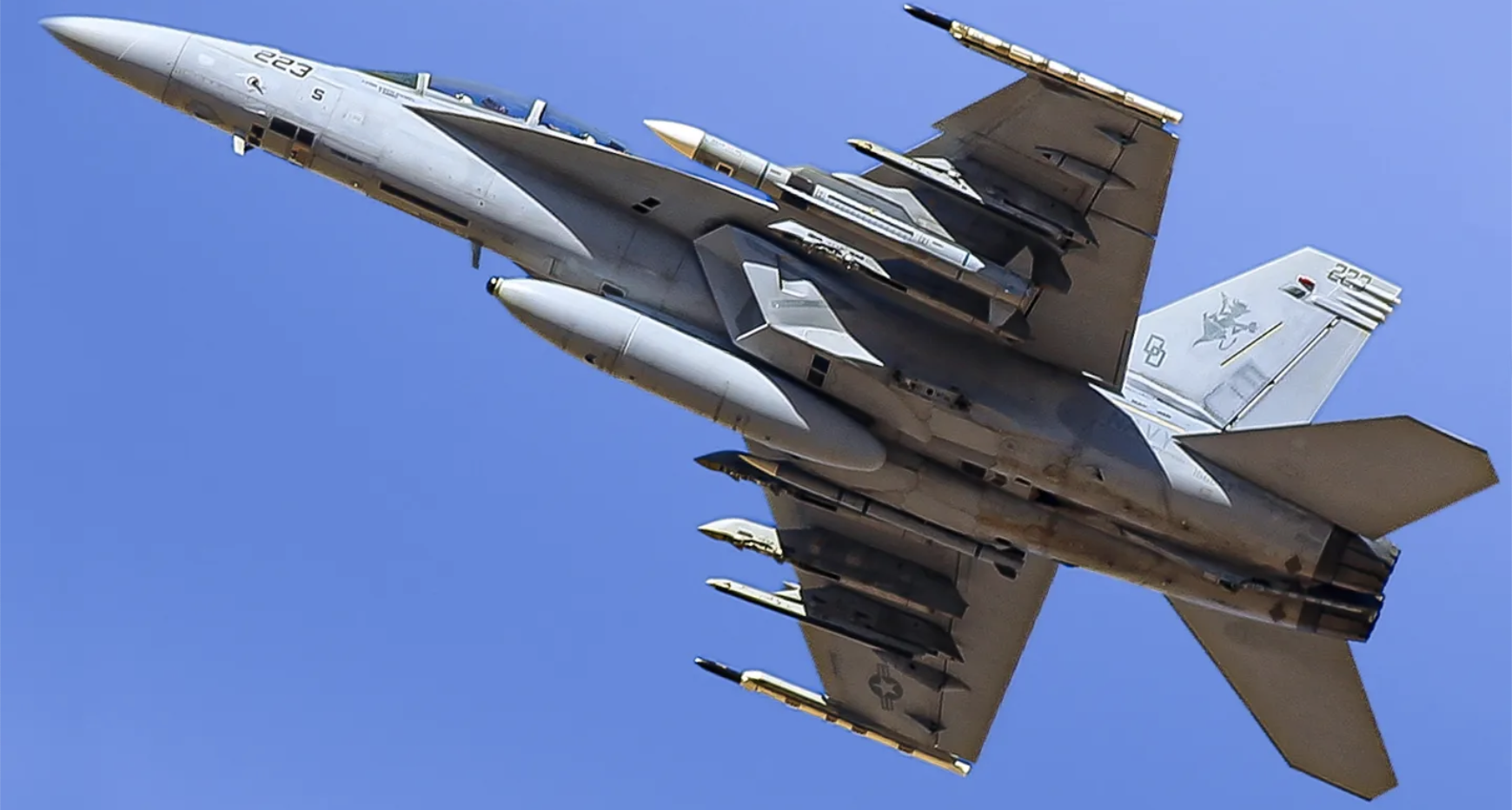
F-18F Super Hornet with AIM-174 and AIM-260 Missiles
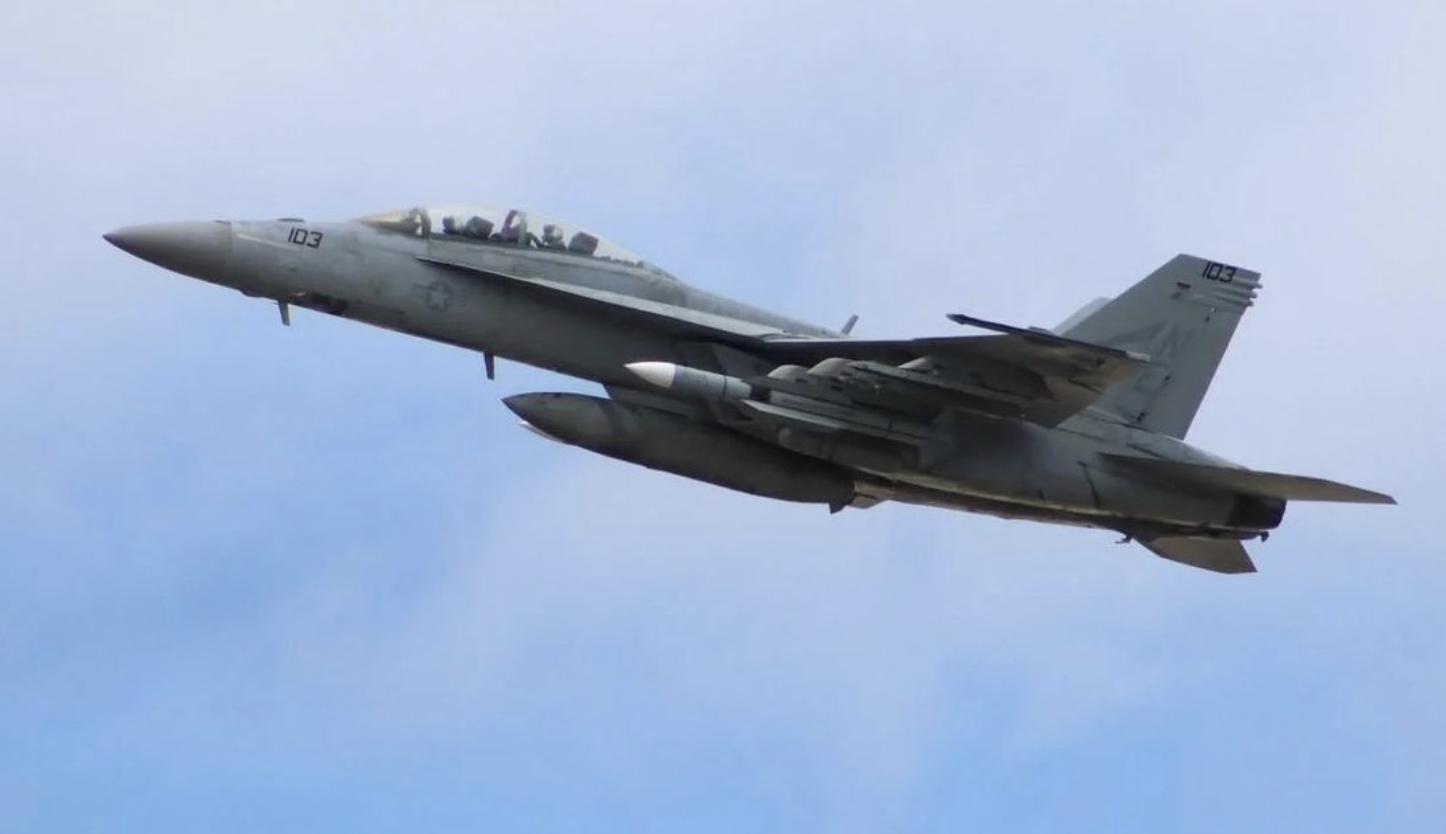
The release of an image showing a U.S. Navy F/A-18F Super Hornet fighter carrying both the AIM-174B and AIM-260A Joint Advanced Tactical Missile has provided an indicator of significant progress in efforts to transform the air-to-air combat capabilities of the ageing combat jets. The aircraft, assigned to Air Test and Evaluation Squadron 31 was photographed flying over Ridgecrest, California, on October 14, and all integrated an IRST21 infrared search-and-track system. Where U.S. combat aircraft have for years been significantly outranged by their Russian and Chinese counterparts, the AIM-174B and AIM-260A provide a distinct advantage over the Russian R-37M missile, and may provide parity with the more advanced Chinese PL-17.
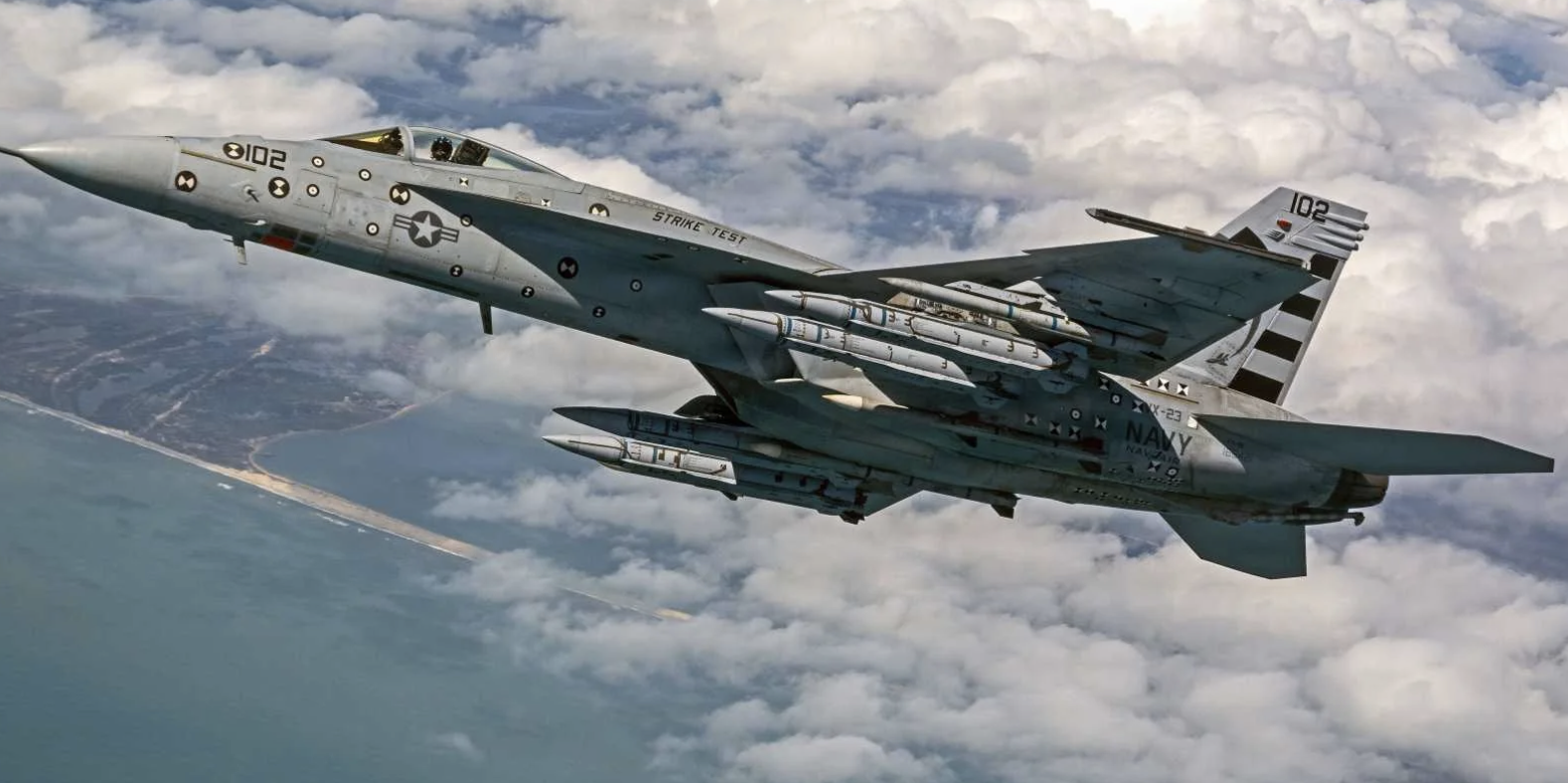
The AIM-174B and AIM-260A are designed to provide complementary capabilities. The AIM-174B, derived from the Navy’s ship-launched Standard Missile-6, is a particularly large air-to-air weapon intended to engage targets at very long ranges. Its potential targets include airborne early warning and control aircraft, aerial refuelling tankers and bombers. The AIM-260A, meanwhile, is being developed as a next-generation successor to the AIM-120, providing improved range and performance against increasingly capable adversary fighters and other airborne threats. Its development is closely associated with efforts to counter advanced Chinese air-to-air missiles, including the PL-15, while maintaining a sufficiently compact form to allow internal carriage by stealth aircraft such as the F-22 and F-35.
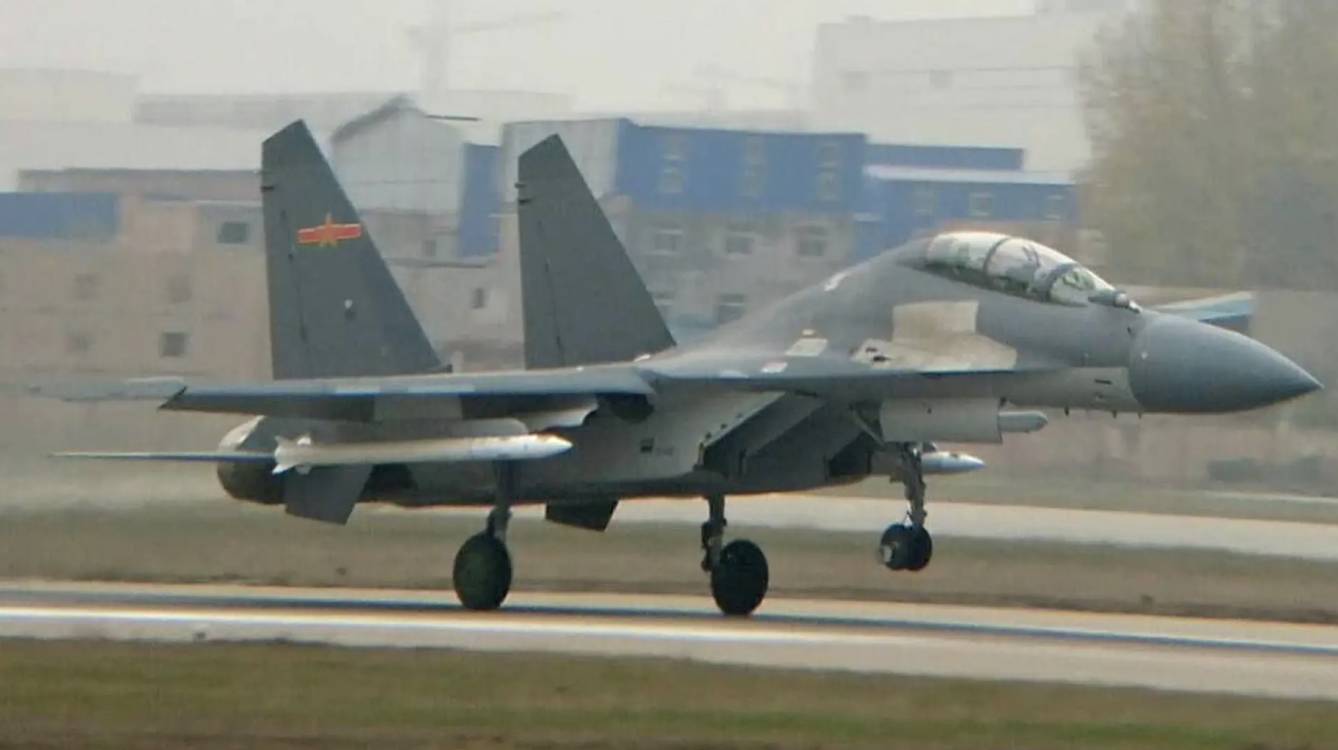
The appearance of both weapons on the same aircraft is significant because it demonstrates the potential for the Super Hornet to carry missiles suited to engagements at different distances and against different categories of targets. This mirrors the Chinese J-16 fighter’s integration of the PL-17 and PL-15/16 for much the same complementary benefits. The AIM-174B’s size and range make it particularly relevant to engaging China’s fast expanding and increasingly world leading fleet of AEW&C systems such as the KJ-500 and KJ-3000, which are expected to contribute to providing Chinese forces with an overwhelming situational awareness advantage. It is expected that the newer AIM-424 will also enter service in the early 2030s to provide a significantly superior long range targeting capability, potentially as a direct successor to the AIM-174B.
The presence of the IRST21 system is also noteworthy. Unlike conventional radar, infrared search-and-track equipment detects the heat signatures of airborne targets, allowing aircraft to search for and track potential threats without necessarily emitting radar signals that could reveal their position. This passive detection capability is particularly valuable in contested environments where fighters must manage their electromagnetic emissions, although successful long-range missile engagements may still depend on additional sensor data and communications networks. Integrating passive sensors with long-range weapons could help the Super Hornet detect and engage threats while reducing its reliance on its own radar. Such systems are also valuable due to their ability to lock on to stealth aircraft at potentially longer ranges than is possible for radars.
